

-
-
-
Solution

-
-
Contact Us
Comparing Coconut Shell Rag Nonwoven Fabrics with Traditional Textiles: A Sustainable Approach
Introduction to Nonwoven Fabrics and Sustainability
In an era where sustainability is paramount, the textile industry is evolving to meet environmental demands. Among the innovative materials emerging in this landscape is *coconut shell rag nonwoven fabric*. This article aims to provide a comprehensive comparison between coconut shell rag nonwoven fabrics and traditional textiles, highlighting their properties, applications, and sustainability aspects.
The Rise of Nonwoven Fabrics in the Textile Industry
The textile industry has seen a shift towards nonwoven fabrics due to their versatile applications and manufacturing efficiency. Unlike traditional woven fabrics, which are made from interlacing threads, nonwoven fabrics are produced by bonding fibers together through various methods such as heat, chemicals, or mechanical means. This process not only reduces production time and costs but also allows for the creation of unique textures and properties.
What Are Coconut Shell Rag Nonwoven Fabrics?
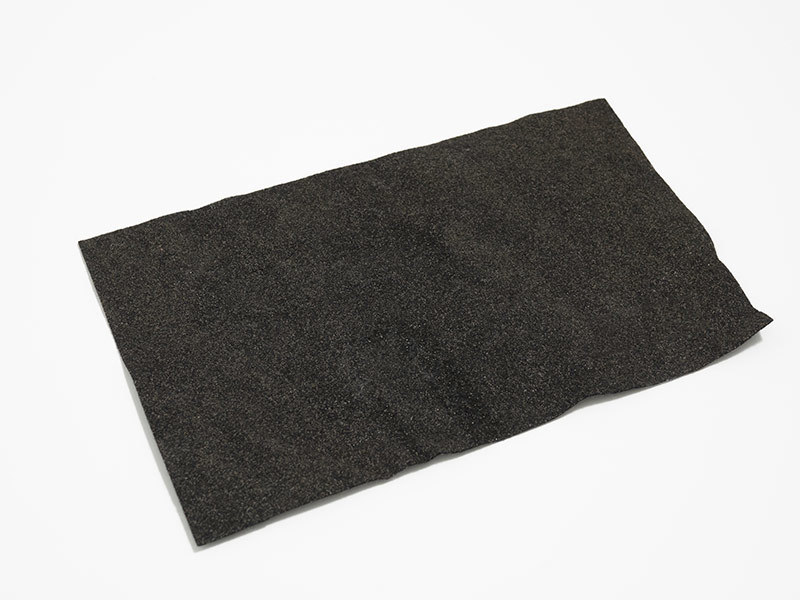
Coconut shell rag nonwoven fabrics are made from the fibrous husk of coconuts, specifically utilizing the shell fibers. These materials are processed to create strong, lightweight, and eco-friendly fabrics. The use of coconut waste in fabric production exemplifies a sustainable approach, turning agricultural by-products into valuable resources.
Properties of Coconut Shell Rag Nonwoven Fabrics
Coconut shell rag nonwoven fabrics boast a range of beneficial properties:
1. **Biodegradability**: Unlike synthetic materials, coconut shell fabric is fully biodegradable, contributing to reduced environmental impact.
2. **Durability**: The inherent strength of coconut fibers provides excellent durability, making the fabric suitable for various applications.
3. **Moisture Resistance**: Coconut fibers possess natural moisture-wicking properties, making them resistant to mold and mildew.
4. **Thermal Insulation**: The structure of the fibers provides effective thermal insulation, making coconut shell fabrics suitable for diverse climates.
Traditional Fabrics: An Overview
Traditional fabrics, including cotton, silk, and polyester, have long dominated the textile market. Each type of fabric comes with its own set of characteristics, advantages, and disadvantages.
Common Types of Traditional Fabrics
1. **Cotton**: Known for its softness and breathability, cotton is one of the most widely used textiles globally. However, cotton farming can be resource-intensive, requiring large amounts of water and pesticides.
2. **Silk**: Celebrated for its luxurious feel and luster, silk is a natural fiber produced by silkworms. Though high in quality, its production is labor-intensive and can have higher environmental impacts.
3. **Polyester**: This synthetic fabric is durable, easy to care for, and resistant to wrinkles. However, polyester is derived from petroleum, raising concerns about sustainability and environmental impact.
Comparing Properties: Coconut Shell Rag vs. Traditional Fabrics
In this section, we will directly compare the properties of coconut shell rag nonwoven fabrics with traditional textiles across several key parameters.
Sustainability and Environmental Impact
Sustainability is a crucial factor to consider when evaluating textiles. Coconut shell rag nonwoven fabrics utilize agricultural waste, reducing landfill contributions and promoting a circular economy. In contrast, traditional fabrics often rely on resource-intensive processes, leading to higher carbon footprints. For example, cotton requires significant water for irrigation, while polyester contributes to plastic pollution.
Durability and Performance
While traditional fabrics like polyester and cotton are known for their durability, coconut shell rag nonwoven fabrics excel in unique ways. Their strength and resistance to moisture make them ideal for applications where longevity and hygiene are crucial, such as in medical or protective clothing. Traditional fabrics may falter in these areas, especially when exposed to moisture or extreme conditions.
Versatility and Application
Coconut shell rag nonwoven fabrics are gaining traction in various industries, including:
- **Medical**: Used in surgical gowns, masks, and sterilization wraps due to their barrier properties.
- **Home Textiles**: Employed in rugs, curtains, and upholstery for a sustainable alternative to conventional materials.
- **Fashion**: Emerging in eco-friendly clothing lines, appealing to environmentally-conscious consumers.
Traditional fabrics, while established, often lack the specific functional benefits offered by coconut shell nonwoven materials.
Consumer Perception and Market Trends
As consumers become more environmentally aware, their preferences are shifting towards sustainable options. The demand for eco-friendly products is rising, prompting retailers and manufacturers to explore alternatives like coconut shell rag nonwoven fabrics. This shift not only reflects changing consumer values but also paves the way for innovation in the textile industry.
Challenges Facing Coconut Shell Rag Nonwoven Fabrics
Despite their advantages, coconut shell rag nonwoven fabrics face challenges that may hinder their widespread adoption:
1. **Awareness and Education**: Many consumers remain unaware of the benefits of coconut shell fabrics, requiring education on their sustainability and performance.
2. **Price Competitiveness**: Traditional fabrics often dominate the market due to established supply chains and lower production costs. Coconut shell fabrics may be viewed as a premium option, limiting accessibility.
Future Outlook for Coconut Shell Rag Nonwoven Fabrics
The future of coconut shell rag nonwoven fabrics looks promising. With ongoing advancements in production techniques and increased consumer demand for sustainable products, these materials are likely to gain more market share. Companies focusing on innovation can leverage the unique properties of coconut shell fabrics to develop new applications across various industries.
FAQs About Coconut Shell Rag Nonwoven Fabrics
1. What are the benefits of using coconut shell rag nonwoven fabrics?
Coconut shell rag nonwoven fabrics offer numerous benefits, including biodegradability, durability, moisture resistance, and thermal insulation, making them a sustainable choice for various applications.
2. How do coconut shell fabrics compare to cotton?
While cotton is soft and breathable, coconut shell fabrics are more durable and moisture-resistant. They are also biodegradable, providing an eco-friendlier alternative.
3. Are coconut shell rag fabrics suitable for clothing?
Yes, coconut shell rag fabrics are increasingly being used in eco-friendly clothing lines due to their unique properties and sustainability credentials.
4. How are coconut shell fabrics produced?
Coconut shell fibers are processed using various techniques, including bonding and heat, to create nonwoven fabrics. This process effectively utilizes agricultural waste.
5. Where can I buy products made from coconut shell rag nonwoven fabrics?
Products made from coconut shell rag nonwoven fabrics can often be found in specialty eco-friendly stores, online retailers, and through brands focused on sustainable products.
Conclusion
In summary, the comparison between coconut shell rag nonwoven fabrics and traditional textiles highlights the evolving nature of the textile industry towards sustainability and innovation. Coconut shell fabrics present a viable and eco-friendly alternative, showcasing their unique properties and versatility across various applications. As consumer awareness continues to grow, the demand for sustainable textiles is expected to rise, paving the way for coconut shell rag nonwoven fabrics to play a significant role in the future of the industry.
Tag:
Recommended news
Unlocking the Potential of Non-Woven Customization in Textile Industry

Contact Information
Postcode:211400
Address:Tian'an Village, Xinji Town, Yizheng City


QR code
QR
TikTok