

-
-
-
Solution

-
-
Contact Us
Unlocking the Potential of Non-Woven Customization in Textile Industry
The realm of non-woven customization presents an array of opportunities for professionals in the textile industry. Non-woven fabrics, unlike traditional woven textiles, are made by bonding fibers together through mechanical, thermal, or chemical means. This unique manufacturing process allows for a myriad of customized solutions that can cater to specific needs across various applications.
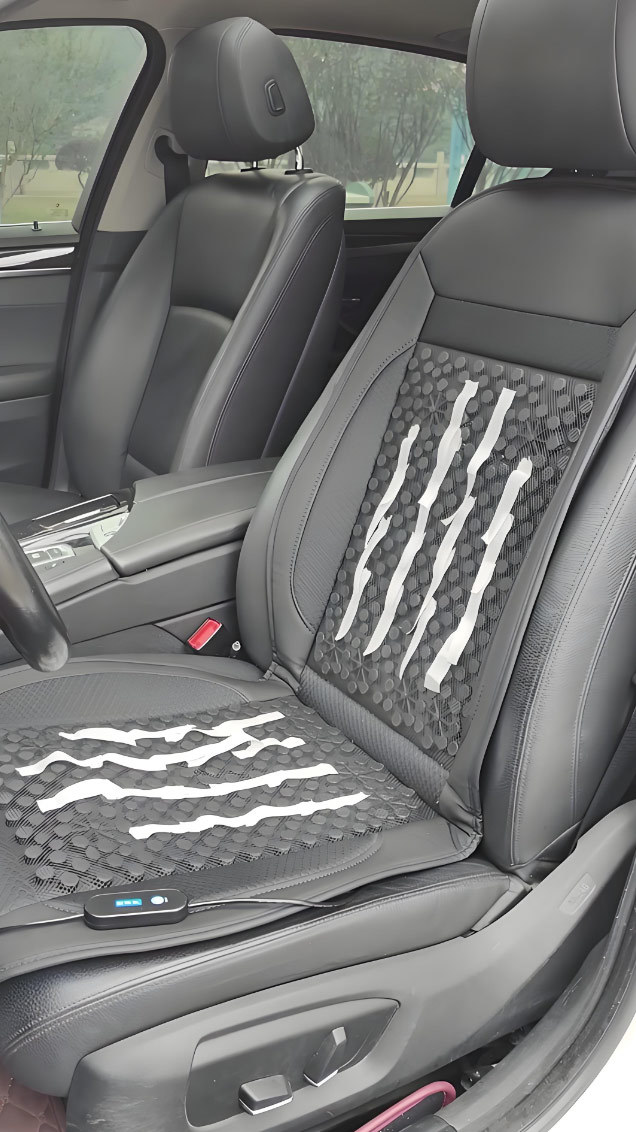
One of the primary advantages of non-woven customization is the ability to create unique products tailored to the requirements of different industries. For instance, in healthcare, customized non-woven materials can be designed for surgical gowns, masks, and drapes, ensuring sterility and comfort. In the automotive sector, non-woven fabrics can be tailored for use in soundproofing, insulation, and interior linings, providing both functional and aesthetic enhancements.
Environmental sustainability is another significant aspect of non-woven customization. Many manufacturers are now focusing on eco-friendly materials and production processes. By opting for biodegradable or recyclable non-woven fabrics, businesses can make strides in reducing their environmental impact while meeting the growing consumer demand for sustainable products. Customization allows for the integration of such materials, enabling companies to align their offerings with environmentally responsible practices.
Moreover, non-woven customization facilitates the creation of specialized properties within the fabric itself. For example, fabrics can be engineered for water resistance, breathability, or antimicrobial characteristics. Such tailored features can make products more appealing to end-users and enhance their functionality, thereby adding value to your product line.
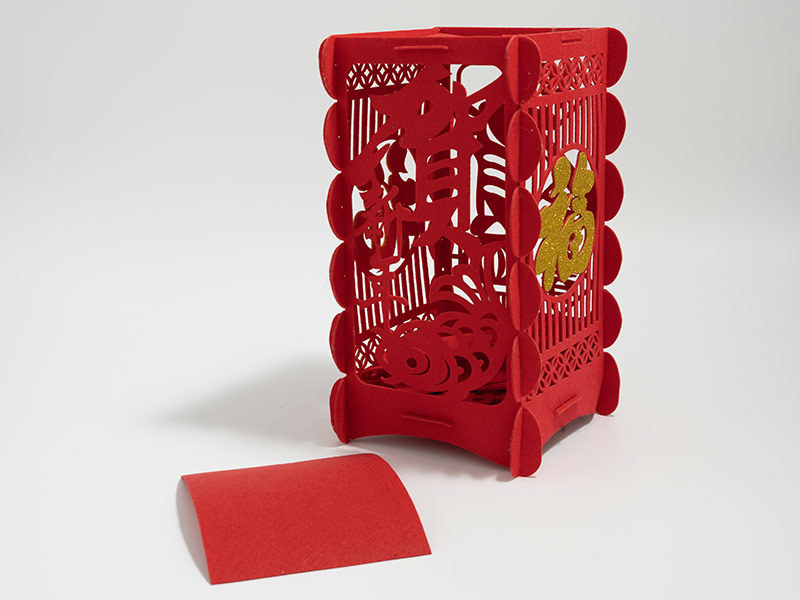
In addition to practical applications, non-woven customization offers branding opportunities. Businesses can personalize their non-woven products with specific colors, patterns, or logos, creating an identity that resonates with their target audience. This personalized approach not only strengthens brand recognition but also fosters customer loyalty by providing products that reflect the values and aesthetics of the brand.
When considering non-woven customization, it is essential to collaborate with experienced manufacturers who understand the intricacies of the production process and can offer expert advice on material selection and design. By leveraging their expertise, you can ensure that your customized non-woven products meet the highest quality standards and fulfill your business objectives.
In summary, non-woven customization is a powerful tool in the textile industry, providing businesses with the flexibility to innovate and differentiate their offerings. By embracing this approach, companies can tap into various market segments, enhance product functionality, and contribute to sustainability efforts, all while building a strong brand presence.
One of the primary advantages of non-woven customization is the ability to create unique products tailored to the requirements of different industries. For instance, in healthcare, customized non-woven materials can be designed for surgical gowns, masks, and drapes, ensuring sterility and comfort. In the automotive sector, non-woven fabrics can be tailored for use in soundproofing, insulation, and interior linings, providing both functional and aesthetic enhancements.
Environmental sustainability is another significant aspect of non-woven customization. Many manufacturers are now focusing on eco-friendly materials and production processes. By opting for biodegradable or recyclable non-woven fabrics, businesses can make strides in reducing their environmental impact while meeting the growing consumer demand for sustainable products. Customization allows for the integration of such materials, enabling companies to align their offerings with environmentally responsible practices.
Moreover, non-woven customization facilitates the creation of specialized properties within the fabric itself. For example, fabrics can be engineered for water resistance, breathability, or antimicrobial characteristics. Such tailored features can make products more appealing to end-users and enhance their functionality, thereby adding value to your product line.
In addition to practical applications, non-woven customization offers branding opportunities. Businesses can personalize their non-woven products with specific colors, patterns, or logos, creating an identity that resonates with their target audience. This personalized approach not only strengthens brand recognition but also fosters customer loyalty by providing products that reflect the values and aesthetics of the brand.
When considering non-woven customization, it is essential to collaborate with experienced manufacturers who understand the intricacies of the production process and can offer expert advice on material selection and design. By leveraging their expertise, you can ensure that your customized non-woven products meet the highest quality standards and fulfill your business objectives.
In summary, non-woven customization is a powerful tool in the textile industry, providing businesses with the flexibility to innovate and differentiate their offerings. By embracing this approach, companies can tap into various market segments, enhance product functionality, and contribute to sustainability efforts, all while building a strong brand presence.
Tag:
Previous page
Previous page:
Recommended news
Unlocking the Potential of Non-Woven Customization in Textile Industry
The realm of non-woven customization presents an array of opportunities for professionals in the textile industry. Non-woven fabrics, unlike traditional woven textiles, are made by bonding fibers together through mechanical, thermal, or chemical means. This unique manufacturing process allows for a myriad of customized solutions that can cater to specific needs across various applications.
One of
Contact Information
Postcode:211400
Address:Tian'an Village, Xinji Town, Yizheng City


QR code
QR
TikTok