

-
-
-
Solution

-
-
Contact Us
Exploring Nonwoven Geobags: Sustainable Solutions for Modern Challenges
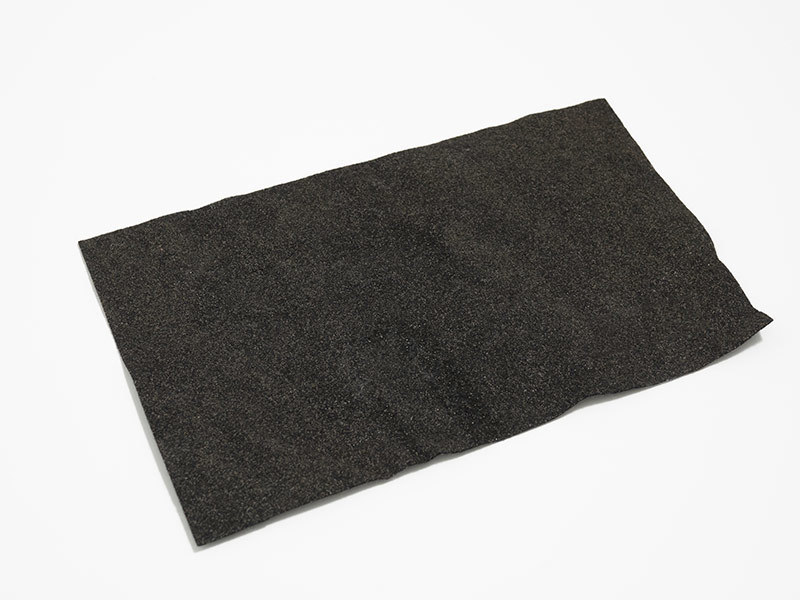
Nonwoven Geobags are an emerging solution in various industries, particularly in environmental protection and civil engineering. Made from nonwoven fabrics, these bags are designed to be durable, lightweight, and environmentally friendly. Unlike traditional woven fabrics, nonwoven materials are created by bonding fibers together through various methods, such as heat, chemicals, or mechanical processes. This unique construction offers a range of benefits, particularly in applications where water permeability and soil stabilization are paramount.
One of the primary uses of Nonwoven Geobags is in erosion control. They are often filled with soil or aggregate and placed in areas prone to erosion, such as riverbanks or slopes. The nonwoven fabric allows for water drainage while simultaneously preventing soil loss, creating a stable environment for vegetation to grow. This dual functionality not only enhances the aesthetic value of landscapes but also supports ecological balance by encouraging native plant growth.
In addition to erosion control, Nonwoven Geobags are also applied in flood management systems. Their lightweight nature and ease of installation make them ideal for rapid deployment in flood-prone areas. By strategically placing these bags, communities can create temporary barriers to redirect water flow and minimize damage during extreme weather events. This flexibility makes Nonwoven Geobags a critical tool in disaster preparedness and management.
Furthermore, the sustainability aspect of Nonwoven Geobags cannot be overlooked. They are often made from recycled materials and are fully recyclable at the end of their life cycle. This characteristic aligns with the growing trend towards eco-friendly solutions in various industries. By opting for Nonwoven Geobags, companies can reduce their carbon footprint while effectively addressing environmental challenges.
Another notable feature of Nonwoven Geobags is their versatility in various applications beyond erosion and flood control. They can be utilized in landscaping, construction, and even in agricultural settings. For instance, in horticulture, they can serve as planters that allow for optimal drainage and aeration, promoting healthy root development. This adaptability ensures that Nonwoven Geobags can meet the diverse needs of different sectors while contributing to sustainable practices.
In conclusion, Nonwoven Geobags represent a forward-thinking approach to addressing environmental concerns and engineering challenges. Their unique properties, combined with their eco-friendly nature, make them an essential component in modern environmental management. As industries continue to seek sustainable solutions, the role of Nonwoven Geobags is likely to expand, proving their value not only as a practical tool but also as a commitment to a greener future.
Tag:
Recommended news
Unlocking the Potential of Non-Woven Customization in Textile Industry

Contact Information
Postcode:211400
Address:Tian'an Village, Xinji Town, Yizheng City


QR code
QR
TikTok