

-
-
-
Solution

-
-
Contact Us
Exploring the Benefits of Needle Punched Geotextile in Civil Engineering
Exploring the Benefits of Needle Punched Geotextile in Civil Engineering
Table of Contents
- 1. Introduction to Needle Punched Geotextiles
- 2. What is Needle Punched Geotextile?
- 3. Key Benefits of Needle Punched Geotextiles
- 4. Applications of Needle Punched Geotextiles in Civil Engineering
- 5. Case Studies: Real-World Applications
- 6. Future Trends in Geotextile Technology
- 7. Frequently Asked Questions (FAQs)
- 8. Conclusion
1. Introduction to Needle Punched Geotextiles
In the field of civil engineering, the importance of sustainable and effective materials cannot be overstated. **Needle punched geotextiles** have emerged as a revolutionary solution, offering a broad range of benefits that enhance construction processes and improve project outcomes. This article explores the myriad advantages of needle punched geotextiles, their applications, and the future landscape of geotextile technology in civil engineering.
2. What is Needle Punched Geotextile?
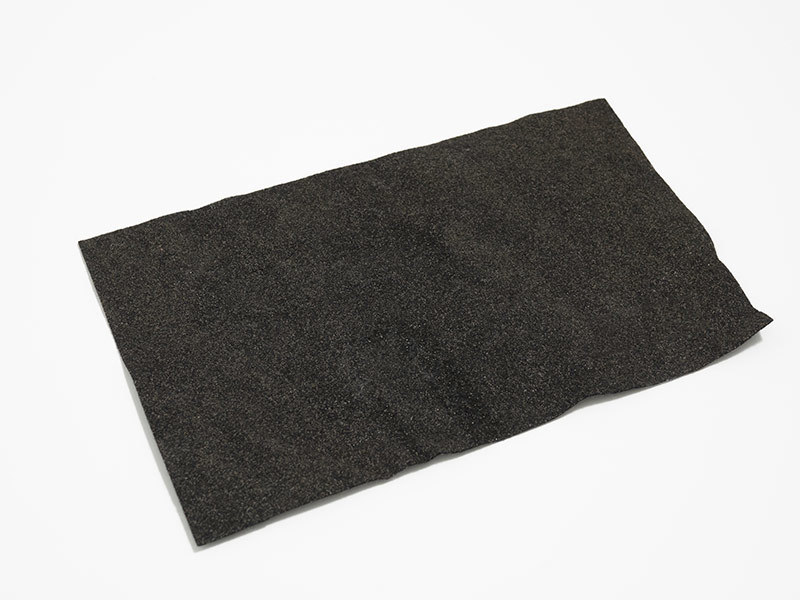
Needle punched geotextiles are non-woven fabrics produced by mechanically intertwining fibers through a needle punching process. This method provides a robust, durable, and versatile product suitable for various construction applications.
2.1 Manufacturing Process of Needle Punched Geotextiles
The manufacturing process begins with **fiber selection**, where synthetic fibers like polypropylene or polyester are often utilized due to their strength and resistance to environmental factors. The selected fibers are subjected to a needle punching machine that repeatedly drives barbed needles through the fiber web, entangling the fibers and producing a cohesive fabric. The final product is characterized by its high permeability, strength, and durability, making it an ideal choice for civil engineering projects.
3. Key Benefits of Needle Punched Geotextiles
Needle punched geotextiles offer numerous advantages that make them highly sought after in civil engineering. Below are some of the key benefits:
3.1 Soil Stabilization
One of the primary benefits of needle punched geotextiles is their ability to stabilize soil. By preventing soil erosion and providing support to structures, these geotextiles enhance the overall strength of the soil. They distribute loads evenly and reduce the risk of settlement, which is crucial for maintaining the integrity of roadways, embankments, and other civil works.
3.2 Enhanced Drainage Performance
Needle punched geotextiles facilitate **effective drainage** by allowing water to flow through the fabric while filtering out soil particles. This capability is essential in applications where managing water runoff is critical, such as in roadbeds and drainage systems. The improved drainage performance mitigates the risk of water accumulation and enhances the longevity of structures.
3.3 Erosion Control
Erosion poses a significant threat to land stability, particularly in construction sites and along waterways. Needle punched geotextiles provide an effective barrier against erosion by protecting soil surfaces from wind and water impacts. Their ability to retain soil while allowing water passage makes them invaluable in preventing soil loss and maintaining the integrity of landscapes.
3.4 Lightweight and Versatile
The lightweight nature of needle punched geotextiles simplifies handling and installation, reducing labor costs and construction time. Their versatility allows for use in a wide variety of applications, from road construction to landscaping, making them a favored choice among engineers and contractors.
3.5 Environmental Sustainability
Given the increasing focus on sustainable practices in civil engineering, needle punched geotextiles contribute positively to environmental conservation. Many of these materials are made from recycled fibers, and their long lifespan reduces the need for frequent replacements. Additionally, their role in soil retention and erosion control supports natural ecosystems and prevents habitat destruction.
4. Applications of Needle Punched Geotextiles in Civil Engineering
The diverse applications of needle punched geotextiles illustrate their significance in civil engineering projects.
4.1 Road Construction
In road construction, needle punched geotextiles serve numerous purposes, including base stabilization, separation of materials, and prevention of subgrade erosion. Their ability to improve load distribution and drainage makes them integral to the construction of durable and stable roadways.
4.2 Landfill Liners
Needle punched geotextiles are widely used in landfill applications as liners due to their excellent filtration and retention properties. They assist in preventing leachate migration, thereby protecting groundwater from contamination. This application underscores their importance in environmental protection and waste management.
4.3 Drainage Systems
The integration of needle punched geotextiles in drainage systems enhances performance by acting as a barrier that prevents soil ingress while allowing water to flow freely. This function is particularly valuable in agricultural and urban settings where managing excess water is vital for crop yield and urban infrastructure.
5. Case Studies: Real-World Applications
Examining real-world applications of needle punched geotextiles provides valuable insights into their efficacy and versatility.
**Case Study 1**: A recent highway expansion project utilized needle punched geotextiles to stabilize the subgrade. The results showed significant improvement in load distribution and reduced maintenance costs over time.
**Case Study 2**: In a landfill project, needle punched geotextiles were employed as part of a multi-layer barrier system. The project reported a marked decrease in leachate flow, demonstrating the material’s effectiveness in environmental protection.
**Case Study 3**: An urban park project employed needle punched geotextiles for erosion control on sloped terrains. The solution successfully mitigated soil loss during heavy rains, showcasing the material’s role in sustainable landscaping.
6. Future Trends in Geotextile Technology
As technology advances, the future of needle punched geotextiles looks promising. Research and development are focused on enhancing material properties, integrating eco-friendly production processes, and exploring new applications in areas such as green infrastructure and flood management. Innovations in biodegradable and recycled materials are paving the way for more sustainable options in civil engineering.
7. Frequently Asked Questions (FAQs)
**What are needle punched geotextiles made from?**
Needle punched geotextiles are primarily made from synthetic fibers such as polypropylene or polyester, known for their strength and durability.
**How do needle punched geotextiles differ from woven geotextiles?**
Needle punched geotextiles are non-woven fabrics created through a mechanical process, while woven geotextiles are made by weaving fibers together. This difference results in varied properties suited for different applications.
**Are needle punched geotextiles environmentally friendly?**
Many needle punched geotextiles are produced from recycled materials and contribute to sustainability by providing long-lasting solutions that reduce the need for frequent replacements.
**Can needle punched geotextiles be used in waterlogged areas?**
Yes, they are particularly effective in waterlogged areas due to their excellent drainage capabilities, helping to prevent soil erosion and improve stability.
**What is the lifespan of needle punched geotextiles?**
The lifespan can vary depending on the application and environmental conditions, but needle punched geotextiles can last several years, making them a cost-effective solution in civil engineering.
8. Conclusion
Needle punched geotextiles have established themselves as a game-changing material in civil engineering, providing numerous benefits that enhance project efficiency and sustainability. From soil stabilization and erosion control to drainage performance and environmental impact, the applications of these geotextiles are vast and varied. As the industry moves towards more sustainable practices, needle punched geotextiles will undoubtedly play a crucial role in shaping the future of civil engineering. Embracing these innovative materials not only contributes to the success of construction projects but also supports a more sustainable approach to infrastructure development.
Tag:
Recommended news
Unlocking the Potential of Non-Woven Customization in Textile Industry


Contact Information
Postcode:211400
Address:Tian'an Village, Xinji Town, Yizheng City


QR code
QR
TikTok