

-
-
-
Solution

-
-
Contact Us
Exploring the Benefits of Nonwoven Fabric for Car Headliners
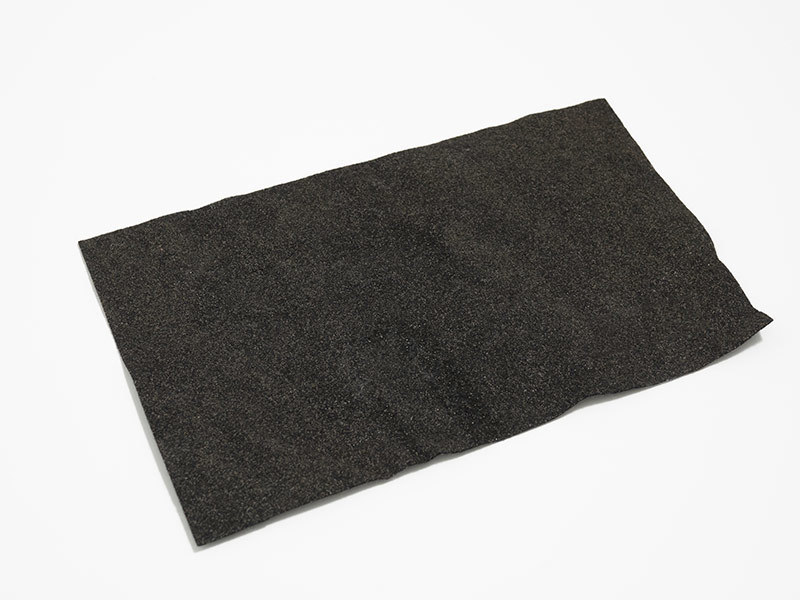
Nonwoven fabric for car headliners has gained significant attention in the automotive sector due to its unique properties and versatility. These fabrics are engineered from synthetic fibers that are bonded together through various methods, such as mechanical, thermal, or chemical processes. Unlike traditional woven materials, nonwoven fabrics offer a range of benefits that make them an ideal choice for car headliners.
One of the primary advantages of nonwoven fabric is its lightweight nature. In the automotive industry, reducing the overall weight of a vehicle is crucial for improving fuel efficiency and performance. Nonwoven fabrics provide excellent coverage without adding unnecessary bulk, ensuring that car manufacturers can achieve their weight reduction goals without compromising on quality.
Furthermore, nonwoven fabrics exhibit exceptional sound absorption properties. Cars are often exposed to significant noise from the engine, road, and wind, which can impact the overall driving experience. Nonwoven materials can effectively dampen sound, creating a quieter and more comfortable cabin environment for passengers. This feature is particularly advantageous for luxury vehicles, where an ultra-quiet ride is often expected.
Another significant benefit of nonwoven fabric for car headliners is its excellent thermal insulation. Nonwoven materials can help maintain a comfortable temperature inside the vehicle, reducing the reliance on air conditioning and heating systems. This thermal regulation is not only beneficial for the passenger experience but also contributes to energy efficiency, aligning with the automotive industry's shift towards greener solutions.
The aesthetic appeal of nonwoven fabric is another factor that cannot be overlooked. Available in various colors, textures, and finishes, nonwoven materials can be tailored to suit the design preferences of different vehicle models. This versatility allows designers and manufacturers to create visually appealing headliners that complement the overall interior design of the car.
Additionally, nonwoven fabrics are known for their durability and resistance to wear and tear. Car interiors experience significant stress due to constant use, and materials that can withstand this wear are essential. Nonwoven fabrics offer excellent durability while remaining flexible, ensuring that the headliner maintains its shape and appearance over time.
In conclusion, nonwoven fabric for car headliners represents a significant advancement in automotive textiles. Its lightweight nature, sound absorption capabilities, thermal insulation, aesthetic versatility, and durability make it a compelling choice for car manufacturers looking to enhance the comfort and quality of their vehicles. As the automotive industry continues to innovate, the role of nonwoven fabrics is likely to expand, making them a critical component in future vehicle designs.
Tag:
Recommended news
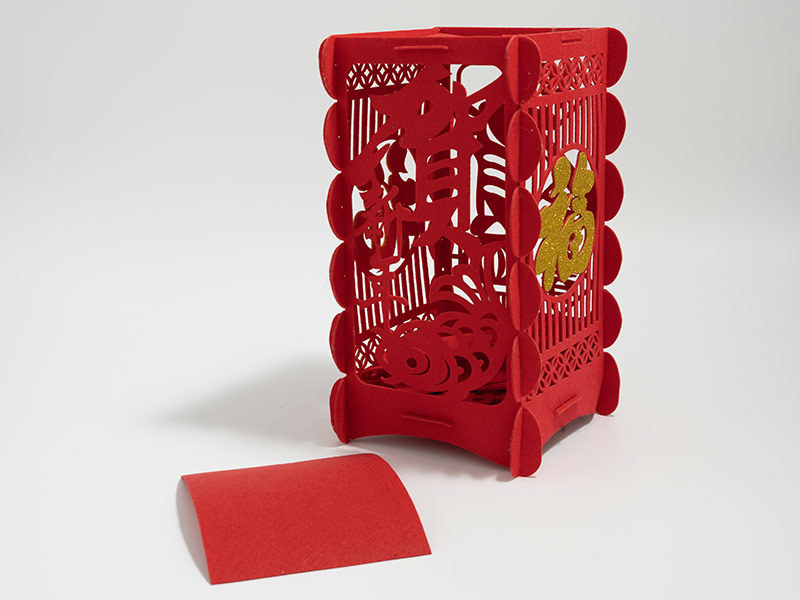
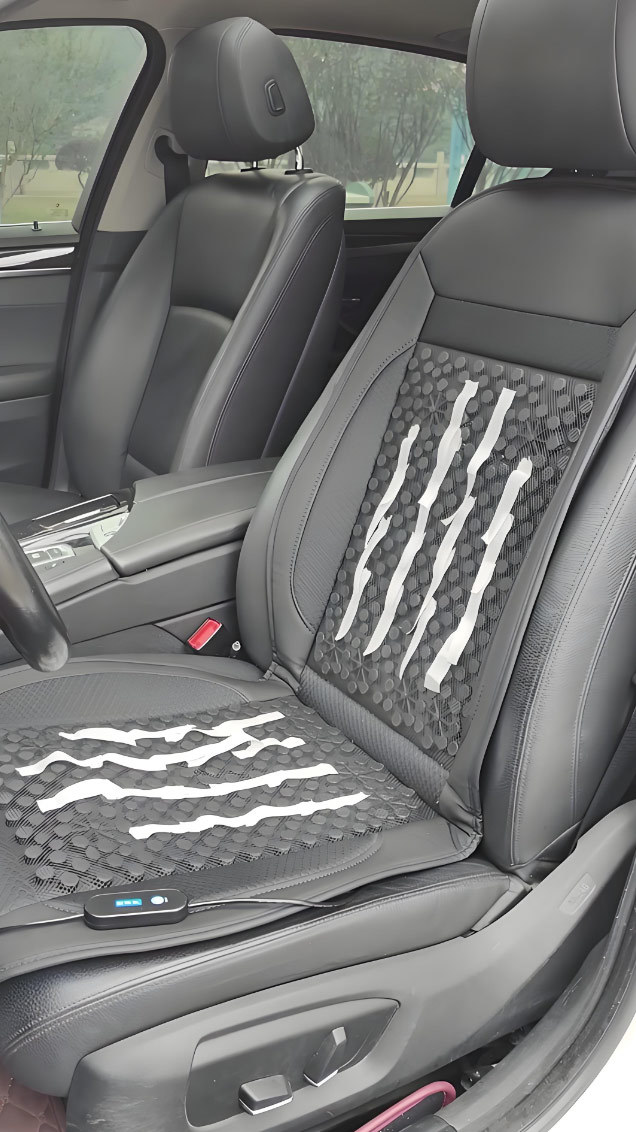
Unlocking the Potential of Non-Woven Customization in Textile Industry
Contact Information
Postcode:211400
Address:Tian'an Village, Xinji Town, Yizheng City


QR code
QR
TikTok