

-
-
-
Solution

-
-
Contact Us
Exploring the Versatility of Shapeable Nonwoven Fabric
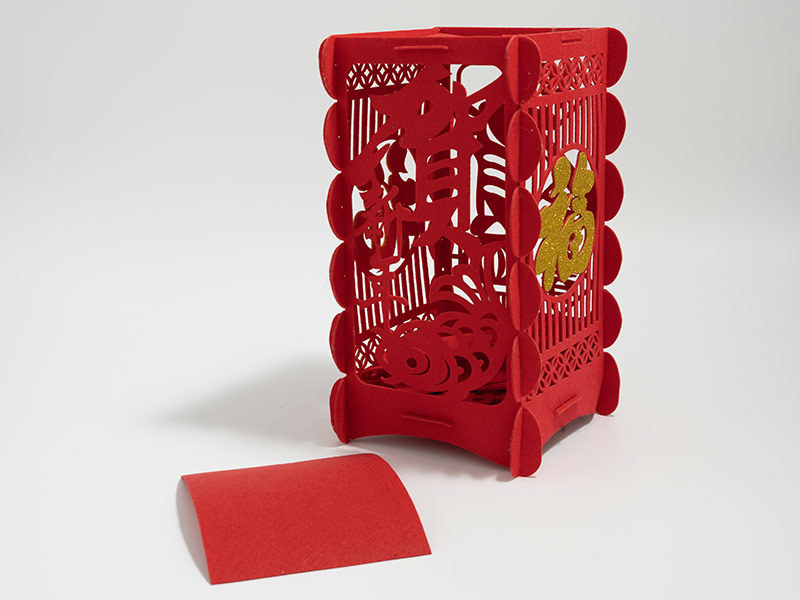
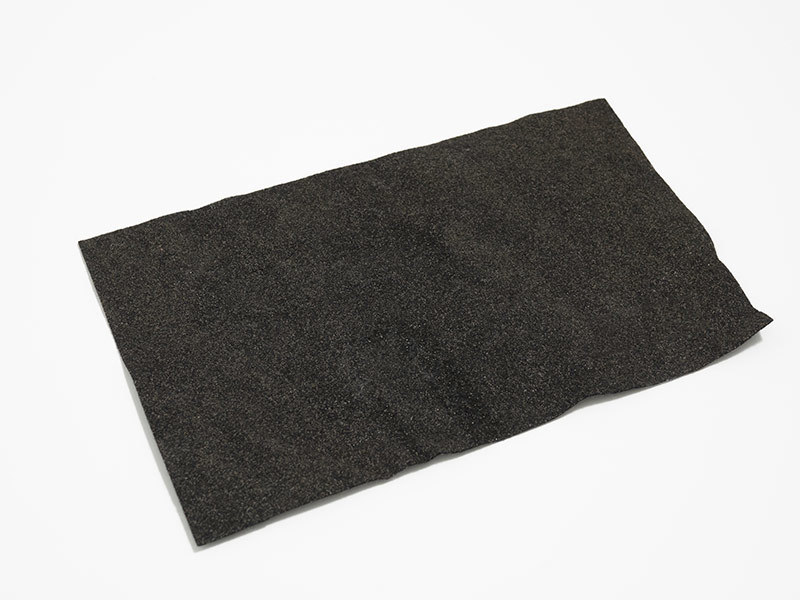
Shapeable nonwoven fabric is a remarkable innovation in the textile sector, particularly within the nonwoven fabric category. Unlike traditional fabrics, which are woven or knitted, nonwoven fabrics are made by bonding fibers together through mechanical, thermal, or chemical processes. This unique manufacturing method grants shapeable nonwoven fabrics their distinctive properties, making them suitable for a wide array of applications.
One of the defining characteristics of shapeable nonwoven fabric is its ability to retain shape and form. This property is achieved through the integration of specific fibers and additives during production, allowing the material to be molded into various shapes without compromising its structural integrity. As a result, shapeable nonwoven fabrics can be utilized in diverse fields such as automotive, packaging, medical, and even fashion.
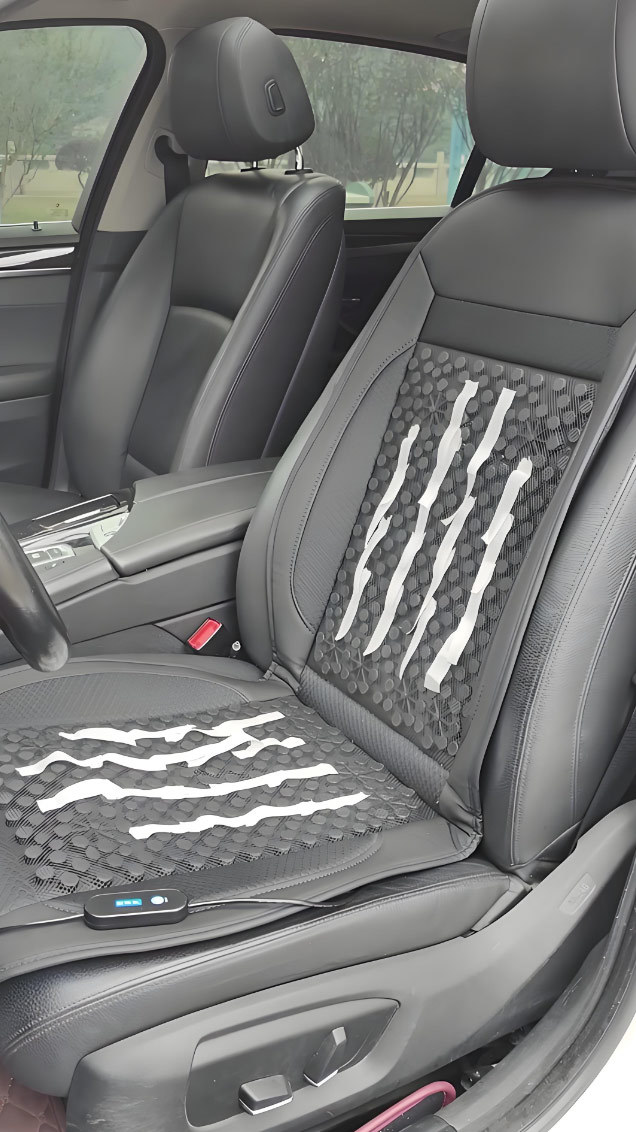
In the automotive industry, for instance, shapeable nonwoven fabrics are used for sound insulation, interior trims, and even seat covers. Their lightweight nature, coupled with the ability to conform to intricate shapes, allows for the creation of components that enhance both aesthetics and functionality. Moreover, these fabrics provide thermal insulation, contributing to energy efficiency in vehicles.
In the medical field, shapeable nonwoven fabrics are employed for products such as surgical drapes, gowning, and wound dressings. The versatility of these materials ensures they meet stringent hygiene standards while providing comfort and protection to patients and medical personnel alike. Their nonwoven structure also allows for breathability, moisture management, and ease of disposal, which are critical factors in healthcare settings.
The packaging industry benefits from shapeable nonwoven fabrics by offering sustainable alternatives to traditional plastic materials. These fabrics can be designed to meet specific protective requirements, ensuring that products remain secure during transport while also being eco-friendly. Their lightweight and customizable nature enables businesses to create packaging solutions that are both innovative and environmentally responsible.
In fashion, shapeable nonwoven fabrics are gaining traction as designers explore new avenues for creativity. The ability to mold these materials into unique shapes opens the door to fresh design concepts, allowing for the production of avant-garde garments and accessories that challenge conventional norms.
Overall, shapeable nonwoven fabric stands out as a versatile and multifunctional material in the textile industry. Its unique characteristics and adaptability make it a viable option across various sectors, from automotive to healthcare and fashion. As innovation continues to drive advancements in material science, the potential applications for shapeable nonwoven fabric are likely to expand even further, cementing its role as a key player in the future of textiles.
Tag:
Recommended news
Unlocking the Potential of Non-Woven Customization in Textile Industry
Contact Information
Postcode:211400
Address:Tian'an Village, Xinji Town, Yizheng City


QR code
QR
TikTok