

-
-
-
Solution

-
-
Contact Us
Exploring the Versatility of Shapeable Nonwoven Fabric in Modern Applications
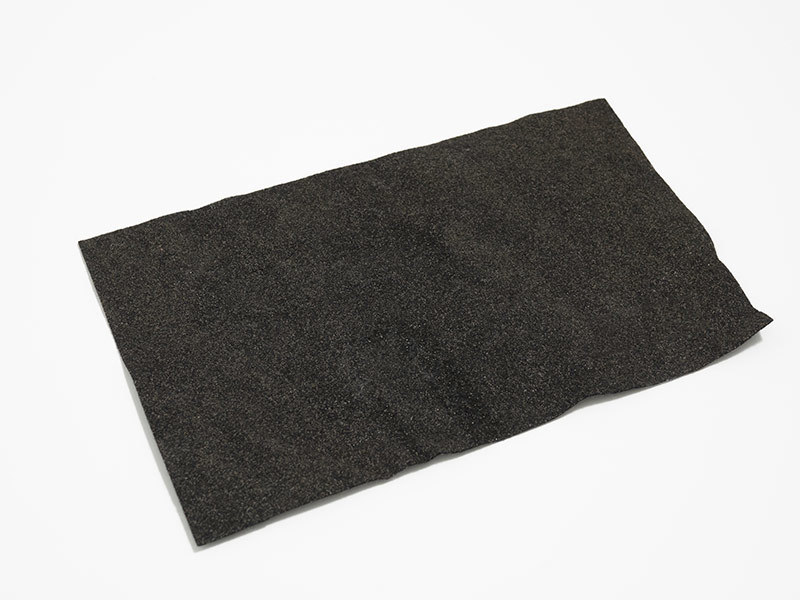
Shapeable nonwoven fabric is a remarkable innovation in the textile industry, known for its unique ability to be molded into various shapes while maintaining structural integrity. This flexibility opens up a world of opportunities across several applications, from fashion and upholstery to industrial and medical uses.
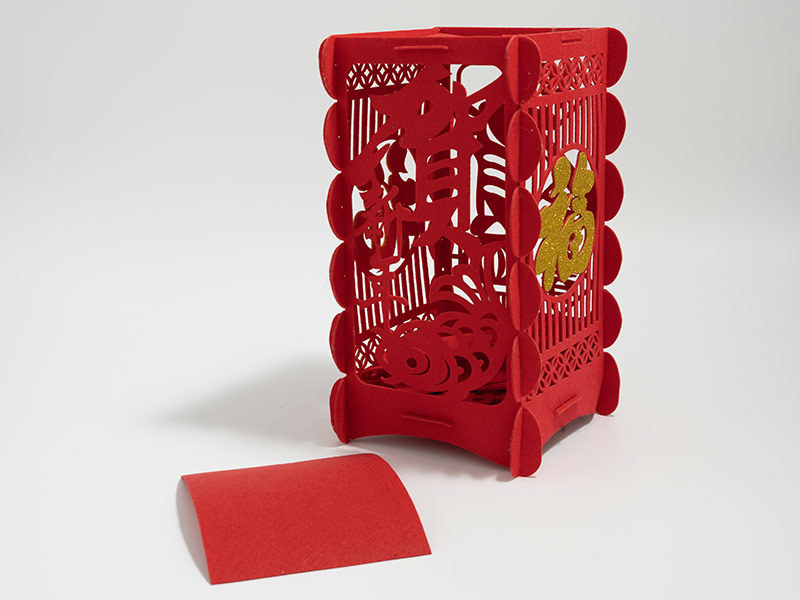
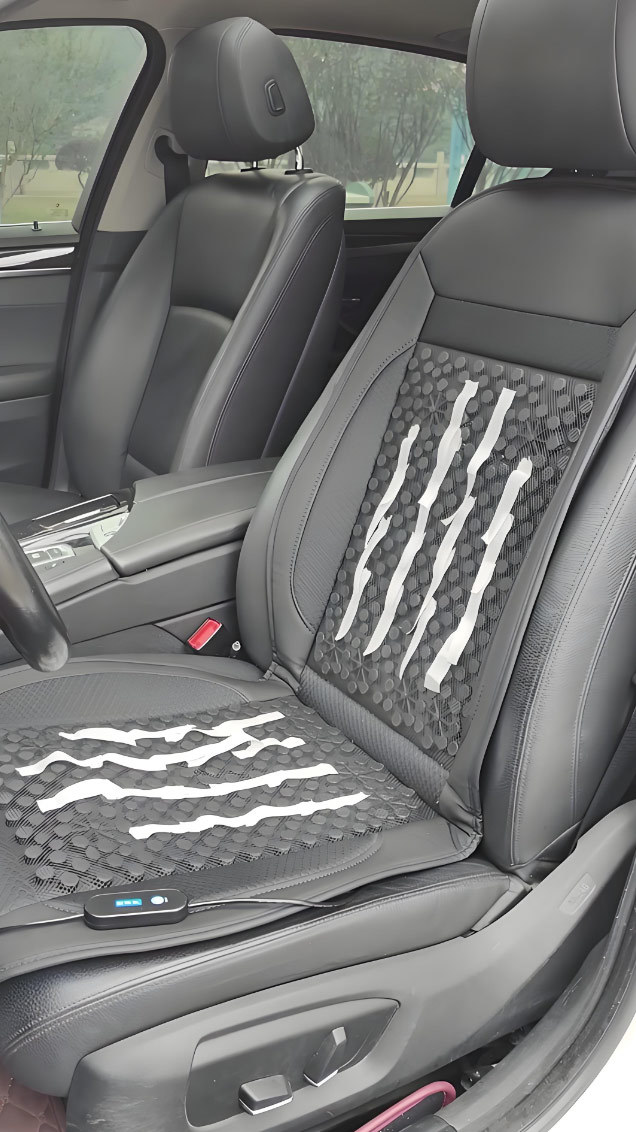
One of the primary features of shapeable nonwoven fabric is its composition, which typically consists of synthetic fibers that are thermally bonded or chemically treated. This process allows the fabric to retain a specific shape when heat is applied, making it ideal for applications that require form retention. The ability to be shaped makes it particularly useful in creating three-dimensional structures, which can be essential in sectors like automotive interiors and protective wear.
In addition to its shape retention, this type of fabric is lightweight and breathable, contributing to comfort in wearable products. Its nonwoven nature means it does not fray or unravel, allowing for clean cuts and edges without the need for sewing. This characteristic is especially beneficial in producing disposable items such as medical gowns, masks, or hygiene products, where sterility is crucial.
Moreover, the versatility of shapeable nonwoven fabric extends to its ability to incorporate additional functionalities. Manufacturers can engineer the fabric to be water-resistant, flame-retardant, or UV-protective, enhancing its performance characteristics for specific end-use applications. Such adaptability allows industries to customize solutions that meet their precise requirements.
The environmental impact of shapeable nonwoven fabric is another factor worth mentioning. Many producers emphasize the use of sustainable materials, and advancements in biodegradable fibers are making their way into this sector. This shift not only addresses ecological concerns but also aligns with the growing demand for environmentally friendly products across various markets.
In terms of processing, shapeable nonwoven fabric can be easily cut, shaped, and bonded, facilitating efficient manufacturing processes. This ease of manipulation, paired with the material's durability and strength, positions it favorably against traditional woven fabrics, which often require more complex construction methods.
Ultimately, the application potential of shapeable nonwoven fabric is vast. As industries continue to identify new uses for this innovative material, its role in enhancing product design and functionality will undoubtedly expand. For professionals in the textile sector, staying informed about advancements in shapeable nonwoven fabric can lead to competitive advantages and pioneering developments in product offerings.
Tag:
Recommended news
Unlocking the Potential of Non-Woven Customization in Textile Industry
Contact Information
Postcode:211400
Address:Tian'an Village, Xinji Town, Yizheng City


QR code
QR
TikTok