

-
-
-
Solution

-
-
Contact Us
Exploring the Versatility of Shapeable Nonwoven Fabric in Modern Applications
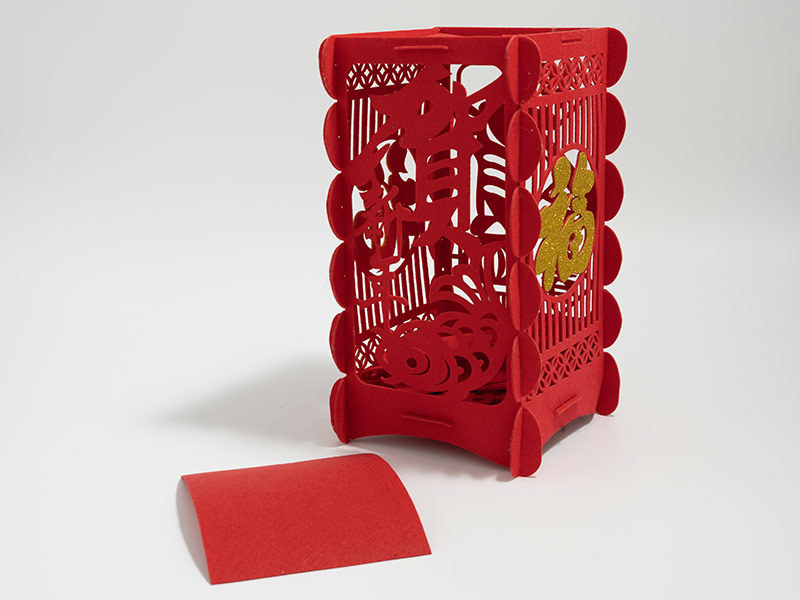
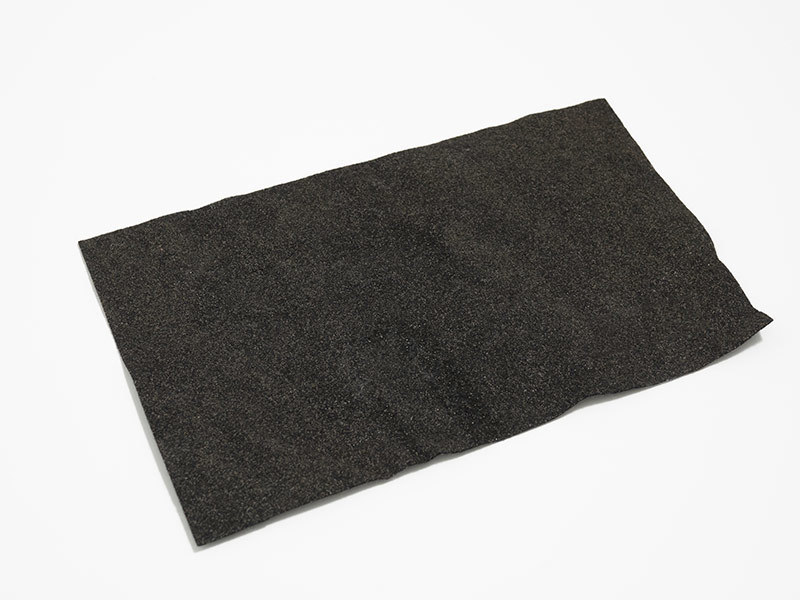
Shapeable nonwoven fabric is a unique innovation in the textile industry, known for its remarkable ability to maintain shape while offering flexibility and durability. Unlike traditional woven materials, nonwoven fabrics are produced through a process that binds fibers together rather than weaving them, which results in a fabric that can be easily molded into specific forms without compromising its integrity. This versatility makes shapeable nonwoven fabric a popular choice across various applications, from automotive interiors to medical supplies.
One of the key characteristics of shapeable nonwoven fabric is its lightweight nature. This quality not only aids in reducing overall costs but also enhances comfort in products where weight is a critical factor, such as apparel and protective gear. Because it can be engineered to achieve specific thicknesses and densities, manufacturers can customize the fabric to suit different needs, further broadening its appeal.
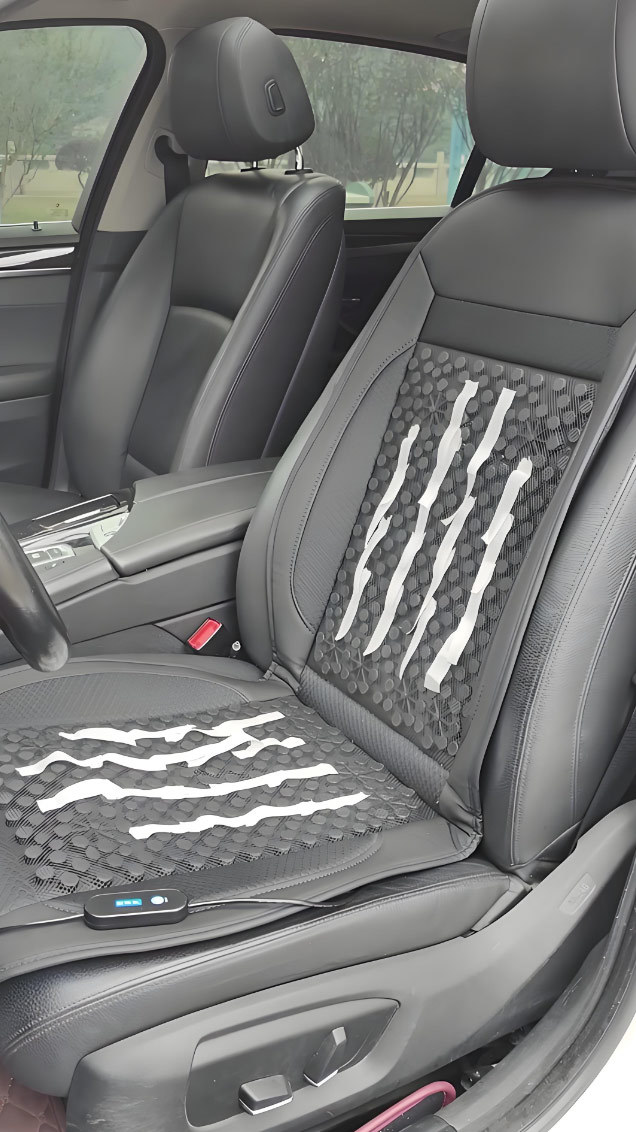
In the automotive industry, shapeable nonwoven fabrics are increasingly being used in interior applications, such as headliners, door panels, and sound insulation. Their ability to conform to complex shapes allows for seamless integration into vehicle designs, ultimately enhancing both aesthetics and functionality. Additionally, the acoustic properties of shapeable nonwoven fabric contribute to a quieter ride, addressing consumer demand for improved comfort during travel.
Another significant application of shapeable nonwoven fabric is in the medical field. Its ability to be shaped into various forms makes it suitable for items like surgical drapes, gowns, and masks. The fabric's inherent barrier properties and breathability ensure that it meets essential health and safety standards, making it a go-to material for healthcare professionals. Moreover, the disposable nature of many nonwoven products aligns with the increasing emphasis on hygiene and infection control in medical environments.
Furthermore, the environmental impact of nonwoven fabrics is also a matter of interest. Many manufacturers are exploring sustainable options, such as biodegradable fibers and recycled materials. This shift not only addresses ecological concerns but also caters to consumer preferences for eco-friendly products, making shapeable nonwoven fabric a socially responsible choice for various applications.
In conclusion, shapeable nonwoven fabric stands out as a versatile material with significant potential across multiple industries. Its unique properties make it suitable for a wide range of applications, from automotive interiors to medical supplies and beyond. As innovation continues to drive the textile industry forward, the adaptability and functionality of shapeable nonwoven fabric will likely play a crucial role in shaping the future of material design and usage. For professionals looking to enhance their product offerings, understanding the advantages and applications of this remarkable fabric can lead to new opportunities and efficiencies in their operations.
Tag:
Recommended news
Unlocking the Potential of Non-Woven Customization in Textile Industry
Contact Information
Postcode:211400
Address:Tian'an Village, Xinji Town, Yizheng City


QR code
QR
TikTok