

-
-
-
Solution

-
-
Contact Us
The Role of Needle Punched Geotextile in Erosion Control: A Comprehensive Guide
The Role of Needle Punched Geotextile in Erosion Control
Erosion poses a significant threat to landscapes, infrastructure, and ecosystems worldwide. As construction projects expand, the need for effective erosion control measures becomes paramount. One innovative solution gaining traction in the industry is **needle punched geotextile**. This article delves into its role in erosion control, benefits, applications, installation techniques, and environmental impact, providing a detailed understanding of this essential material.
Understanding Needle Punched Geotextile
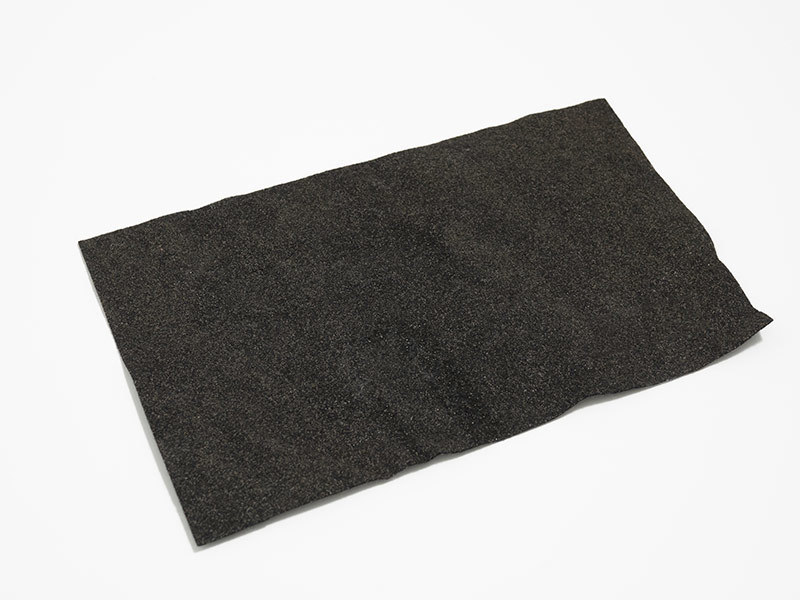
Needle punched geotextile is a type of **geosynthetic fabric** made from synthetic fibers that are mechanically interlocked through a needle punching process. This method creates a durable, porous material that is both lightweight and strong. The result is a versatile product used in various civil engineering applications, particularly in erosion control.
What Makes Needle Punched Geotextile Unique?
The uniqueness of needle punched geotextile lies in its design and manufacturing process. Unlike woven fabrics, the needle punching technique allows for a high degree of **water permeability** and **air circulation**. This feature is crucial for erosion control, as it permits water to pass through while retaining soil particles, minimizing the risk of erosion during heavy rains.
Key Properties of Needle Punched Geotextile
1. **High Strength**: The interlocking fibers provide significant tensile strength, making it resistant to tearing and puncturing.
2. **Durability**: Resistant to environmental factors such as UV radiation, chemicals, and moisture, needle punched geotextiles maintain their integrity over time.
3. **Permeability**: The material allows water to drain while filtering sediments, which is essential in preventing erosion.
4. **Cost-Effectiveness**: Compared to other erosion control methods, needle punched geotextiles often present a more affordable solution.
The Importance of Erosion Control
Erosion control is crucial for several reasons. Soil erosion can lead to loss of fertile topsoil, degradation of land, and increased sedimentation in waterways. This not only affects agricultural productivity but also poses challenges for construction projects and natural habitats.
Consequences of Erosion
- **Loss of Soil Fertility**: Erosion removes the nutrient-rich top layer of soil, diminishing land productivity.
- **Water Pollution**: Sediments washed into rivers and lakes can lead to turbidity, harming aquatic life and degrading water quality.
- **Infrastructure Damage**: Erosion can undermine foundations, roadways, and other structural elements, leading to costly repairs.
- **Biodiversity Loss**: Erosion can alter habitats, threatening local flora and fauna.
Applications of Needle Punched Geotextile in Erosion Control
Needle punched geotextiles are employed in various scenarios to mitigate erosion. Below are some of the primary applications:
Slope Stabilization
In construction sites and landscapes prone to slope failures, needle punched geotextile serves as a critical component in **slope stabilization** systems. By providing a stable layer that retains soil while allowing water drainage, it effectively minimizes the risk of landslides.
How It Works
When installed on a slope, the needle punched geotextile creates a barrier that holds back soil while permitting water to flow through. This reduces the pressure behind the fabric, maintaining slope stability.
Riverbank and Shoreline Protection
Protecting riverbanks and shorelines from erosion is vital for maintaining water quality and ecosystem health. Needle punched geotextiles can be used in conjunction with natural materials like rocks and vegetation to create effective erosion control systems.
Implementing Riverbank Protection
By wrapping the riverbank with needle punched geotextile and covering it with rocks or soil, engineers can create a robust barrier. This method prevents soil from washing away while facilitating the growth of vegetation, which further stabilizes the area.
Construction Site Management
During construction, disturbed soils are highly susceptible to erosion. The use of needle punched geotextiles can effectively manage sediment runoff, ensuring that construction sites remain compliant with environmental regulations.
Installation Techniques
To control erosion on construction sites, needle punched geotextile can be laid over exposed areas and anchored with stakes or rocks. This prevents soil loss while allowing for proper water drainage.
Installation Guidelines for Needle Punched Geotextile
Proper installation of needle punched geotextile is crucial for its effectiveness in erosion control. Here are some detailed guidelines:
Site Preparation
Before installation, the site must be properly prepared. This includes clearing debris, leveling the surface, and ensuring proper drainage paths are established.
Choosing the Right Material
Select the appropriate type and thickness of needle punched geotextile based on the specific project requirements, soil type, and anticipated erosion conditions.
Installation Steps
1. **Lay the Geotextile**: Unroll the needle punched geotextile over the prepared area, ensuring it covers the entire slope or surface to be protected.
2. **Secure the Edges**: Use stakes, pins, or rocks to secure the edges and prevent displacement during installation.
3. **Overlap Sections**: In cases where multiple rolls are used, ensure that the edges overlap by at least 12 inches to provide continuous protection.
4. **Backfill and Cover**: Once secured, backfill with soil or add vegetation cover to enhance stability and improve aesthetics.
Environmental Impact of Needle Punched Geotextile
While the primary purpose of needle punched geotextile is to control erosion, it also has several positive environmental implications.
Promoting Biodiversity
By stabilizing soils and providing a foundation for vegetation, needle punched geotextiles support the establishment of plant life, which is essential for maintaining biodiversity. Enhanced plant growth contributes to habitat restoration and helps prevent further erosion.
Reducing Pollution
By minimizing sediment runoff into waterways, needle punched geotextiles play a significant role in reducing water pollution. They help maintain water quality by filtering out contaminants while allowing water to flow freely.
Frequently Asked Questions (FAQs)
1. What is the lifespan of needle punched geotextile?
The lifespan can vary based on environmental conditions, but most needle punched geotextiles are designed to last several years, with some materials rated for up to 25 years.
2. Can needle punched geotextile be reused?
Yes, needle punched geotextiles can often be reused if they are not damaged during removal and can still provide effective permeability and strength.
3. Is needle punched geotextile environmentally friendly?
Yes, needle punched geotextiles are made from synthetic materials, but they significantly aid in erosion control, water quality protection, and habitat restoration, which contribute positively to the environment.
4. How do I choose the right geotextile for my project?
Selecting the right geotextile depends on factors such as soil type, project requirements, and anticipated erosion conditions. Consulting with a geotechnical engineer can provide valuable insights.
5. What maintenance is required for needle punched geotextile installations?
Regular inspections should be conducted to ensure the geotextile remains secure and intact. Any signs of damage should be repaired promptly to maintain effectiveness.
Conclusion
Needle punched geotextile is a crucial player in the realm of erosion control, providing a reliable and effective solution for various applications. Its high strength, durability, and permeability make it an ideal choice for stabilizing slopes, protecting riverbanks, and managing construction sites. By understanding its properties, applications, and installation methods, we can harness the power of needle punched geotextile to protect our landscapes and ecosystems effectively. Emphasizing its environmental benefits reinforces the importance of adopting sustainable practices in erosion control, ensuring a healthier planet for future generations.
Tag:
Recommended news
Unlocking the Potential of Non-Woven Customization in Textile Industry
Contact Information
Postcode:211400
Address:Tian'an Village, Xinji Town, Yizheng City


QR code
QR
TikTok