

-
-
-
Solution

-
-
Contact Us
The Versatile Role of Nonwoven Fabric in Automotive Headliners
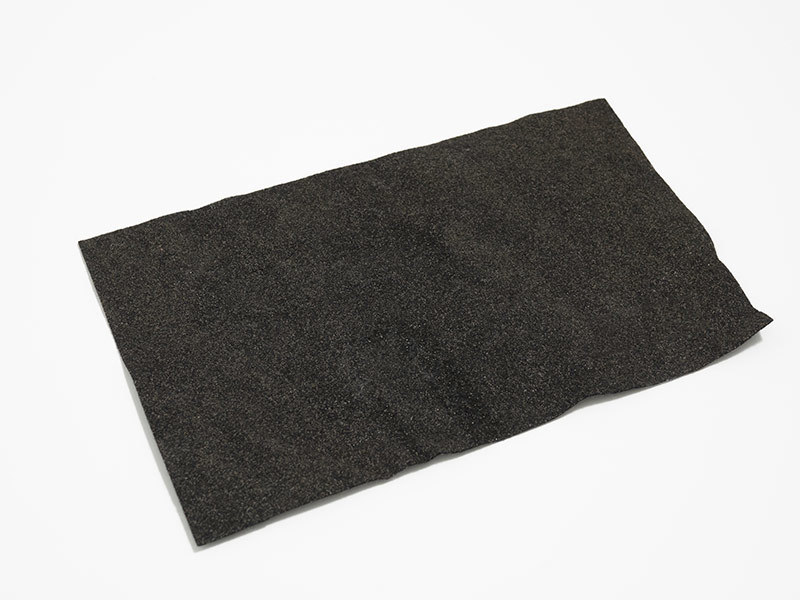
Nonwoven fabric has emerged as a crucial material in the automotive industry, particularly for car headliners. These headliners, which are the fabric-covered ceilings of vehicles, serve both functional and aesthetic purposes. The unique characteristics of nonwoven fabric make it an ideal choice for this application.
One of the primary advantages of using nonwoven fabric for car headliners is its lightweight nature. This property is essential in the automotive sector, where reducing vehicle weight can lead to improved fuel efficiency and enhanced performance. Nonwoven materials can be engineered to provide the necessary strength and durability while keeping the overall weight of the vehicle low.
Additionally, nonwoven fabrics offer excellent sound absorption qualities. This is particularly important in vehicles, where cabin noise can significantly impact passenger comfort. The composition of nonwoven fabric allows it to dampen sound vibrations, contributing to a quieter ride. This noise reduction capability is becoming increasingly valued as consumers seek a more refined driving experience.
Another significant benefit of nonwoven fabric is its versatility in design and functionality. Manufacturers can customize the fabric in terms of color, texture, and pattern, allowing for a wide range of aesthetic options that can enhance the overall interior look of a vehicle. This flexibility is particularly important as automotive brands strive to differentiate themselves in a competitive market.
Nonwoven fabric also exhibits excellent resistance to moisture and mildew, making it suitable for use in various climates and conditions. Vehicles are subject to different environmental factors, and using materials that can withstand humidity and temperature changes is essential for long-term durability. Nonwoven fabrics can be treated to enhance their resistance to these elements, ensuring that car headliners maintain their integrity over time.
Moreover, the production process of nonwoven fabrics is often more environmentally friendly compared to traditional woven materials. Many nonwoven fabrics can be created using recycled materials and require less water and energy during manufacturing. This sustainability aspect appeals to an increasing number of environmentally conscious consumers and manufacturers alike.
In summary, nonwoven fabric plays a pivotal role in the development of car headliners by combining lightweight properties with sound absorption, design versatility, moisture resistance, and environmental sustainability. As the automotive industry continues to evolve, the demand for innovative materials like nonwoven fabric is likely to increase, driving advancements in vehicle design and manufacturing practices. Understanding the benefits of nonwoven fabric can help industry professionals make informed decisions about material selection for automotive applications.
Tag:
Recommended news
Unlocking the Potential of Non-Woven Customization in Textile Industry
Contact Information
Postcode:211400
Address:Tian'an Village, Xinji Town, Yizheng City


QR code
QR
TikTok