

-
-
-
Solution

-
-
Contact Us
The Versatility and Benefits of Geomembrane Composite Fabric in Modern Applications
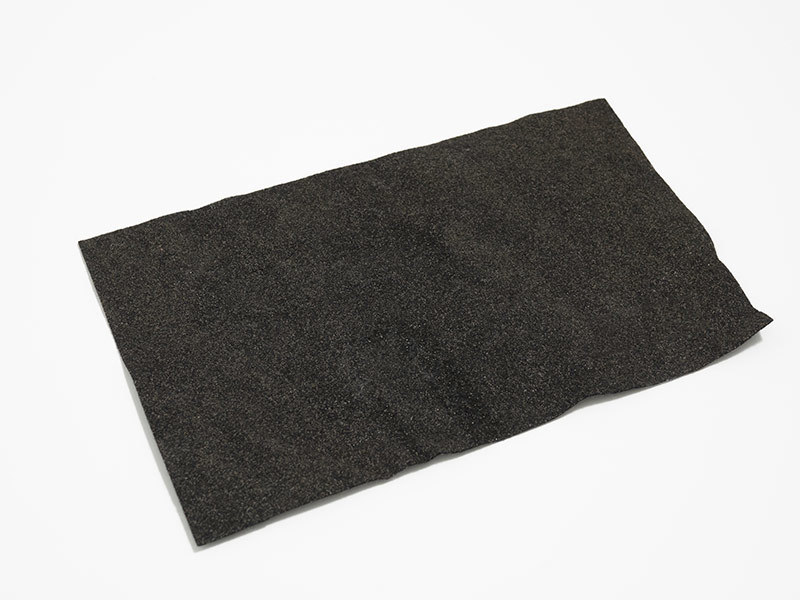
Geomembrane composite fabric represents an innovative solution within the textiles and non-woven fabric sectors. It is primarily designed for applications requiring durability, resistance to environmental factors, and effective barrier properties. This fabric integrates geomembrane materials with composite structures, resulting in a versatile and robust product that can excel in various fields, from civil engineering to environmental protection.
One of the standout features of geomembrane composite fabric is its exceptional impermeability. This quality makes it particularly suitable for applications such as landfill liners, pond and reservoir liners, and containment systems for hazardous materials. By preventing fluid migration and controlling leachate movement, these fabrics help mitigate environmental risks and safeguard soil and groundwater.
Moreover, geomembrane composite fabric is known for its remarkable strength and flexibility. When constructed with high-quality polymers and textiles, it can withstand extreme conditions, including temperature fluctuations, UV exposure, and chemical attacks. This resilience is crucial for applications in construction and infrastructure, where reliability and longevity are paramount.
The versatility of geomembrane composite fabric extends to its adaptability for different uses. In agricultural contexts, it can be utilized in water management systems, such as irrigation ponds or drainage ditches, improving water conservation and efficiency. Additionally, it finds applications in recreational sites like golf courses, where it plays a role in managing water features effectively.
Another notable advantage of geomembrane composite fabric is its lightweight property, which simplifies handling and installation processes. Compared to traditional materials, these fabrics reduce transportation costs and labor requirements, thus benefiting projects in terms of time and resource management.
Furthermore, the eco-friendly aspects of geomembrane composite fabric should not be overlooked. Many manufacturers focus on sustainable practices, utilizing recyclable materials and promoting environmentally responsible production methods. This commitment is increasingly significant in a world where sustainability is becoming a top priority.
In summary, geomembrane composite fabric is a vital asset in various industries, offering a multitude of benefits ranging from environmental protection to enhanced efficiency in diverse applications. Its unique combination of impermeability, strength, flexibility, and eco-friendliness makes it an indispensable material in today's progressive landscape. For professionals in the textiles and non-woven sectors, understanding the role and potential of geomembrane composite fabric can lead to innovative solutions and improved project outcomes.
Tag:
Recommended news
Unlocking the Potential of Non-Woven Customization in Textile Industry


Contact Information
Postcode:211400
Address:Tian'an Village, Xinji Town, Yizheng City


QR code
QR
TikTok