

-
-
-
Solution

-
-
Contact Us
Understanding Nonwoven Geobags: Innovative Solutions for Environmental Protection
Nonwoven Geobags are increasingly recognized as innovative solutions in the field of environmental protection and civil engineering. Made from nonwoven fabrics, these geobags offer a range of advantages that make them ideal for various applications, particularly in erosion control and sediment management.
One of the primary uses of Nonwoven Geobags is for erosion control, which is vital in protecting landscapes from the adverse effects of water runoff and wind. These geobags are filled with soil or other materials and placed strategically to stabilize slopes, shorelines, and riverbanks. By doing so, they help prevent soil loss and promote vegetation growth, ultimately contributing to environmental sustainability.
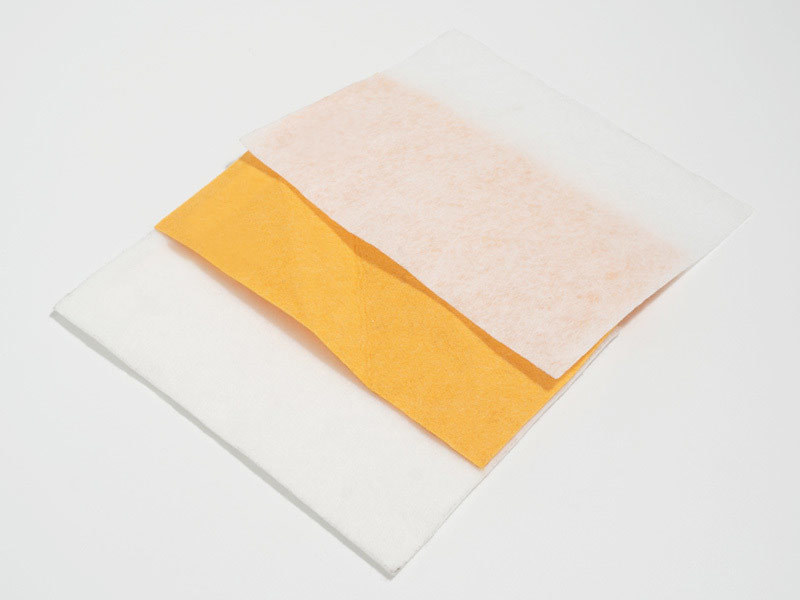
The construction and installation of Nonwoven Geobags are relatively straightforward. They can be deployed in a variety of terrains and are adaptable to different site conditions. This flexibility makes them an appealing choice for contractors and environmental engineers who require effective solutions for challenging landscapes. Nonwoven Geobags are also biodegradable, making them an eco-friendly option that minimizes long-term environmental impact.
Another significant advantage of Nonwoven Geobags is their permeability. The nonwoven fabric allows water to pass through while retaining soil, which helps maintain moisture levels within the bag. This characteristic is particularly beneficial for projects that involve planting vegetation, as it supports the growth of plants by providing them with the necessary nutrients and moisture. Furthermore, the use of Nonwoven Geobags can enhance the aesthetic value of a site by promoting a greener environment.
In addition to erosion control, Nonwoven Geobags can be utilized in various applications such as flood control, sediment filtration, and shoreline protection. Their versatility extends to uses in temporary structures, landscaping, and even in disaster relief efforts, where they can act as barriers against flooding or help restore damaged areas.
As the demand for sustainable practices continues to rise, Nonwoven Geobags are becoming an essential element in the toolkit of environmental engineers and construction professionals. By integrating these innovative products into projects, stakeholders can not only achieve their immediate goals but also contribute to long-term ecological health and stability.
In conclusion, Nonwoven Geobags offer a practical and effective solution for addressing some of the key challenges in environmental management. Their unique properties, combined with ease of use and ecological benefits, make them a standout choice for professionals seeking to implement sustainable practices in their projects. Whether it’s for erosion control, sediment management, or enhancing the landscape, Nonwoven Geobags present an opportunity to promote environmental stewardship while achieving functional objectives.
Tag:
Recommended news
Unlocking the Potential of Non-Woven Customization in Textile Industry

Contact Information
Postcode:211400
Address:Tian'an Village, Xinji Town, Yizheng City


QR code
QR
TikTok