

-
-
-
Solution

-
-
Contact Us
Understanding Geomembrane Composite Fabric: A Comprehensive Overview
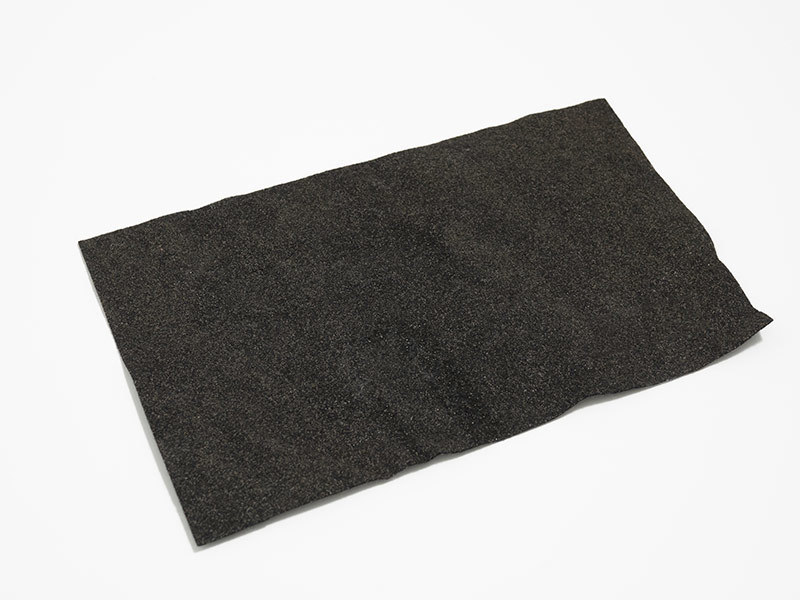
Geomembrane composite fabric is an advanced material that combines the qualities of geomembranes and textiles, offering unique advantages in various applications across different industries. At its core, geomembrane composite fabric is designed to serve as a barrier to liquids and gases, making it particularly useful in environmental protection, construction, and civil engineering. The combination of geomembranes, which are typically made from polymer materials, with textile structures enhances the fabric's mechanical properties, durability, and adaptability.
One of the primary uses of geomembrane composite fabric is in landfill liners and covers, where it plays a crucial role in preventing leachate from contaminating soil and groundwater. The fabric's impermeability ensures that harmful substances are contained, making it an essential component in waste management systems. Additionally, its lightweight nature allows for easier installation compared to traditional materials, which can be cumbersome and time-consuming to handle.
In the realm of agriculture, geomembrane composite fabric is utilized in irrigation systems and pond liners. By providing a reliable barrier, it helps maintain water levels and promotes efficient water use, thereby supporting sustainable farming practices. The durability of this composite fabric also ensures that it withstands harsh environmental conditions, further enhancing its longevity and effectiveness.
Moreover, geomembrane composite fabric has proven advantageous in the construction industry, particularly in applications such as retaining walls, drainage systems, and soil stabilization. The fabric's strength and flexibility allow it to adapt to various soil conditions, providing stability and support to structures while preventing erosion. Its ability to integrate seamlessly with other materials also enables innovative design solutions that can enhance the overall performance of construction projects.
The features of geomembrane composite fabric are not limited to its barrier properties. Many of these fabrics can be engineered to meet specific requirements, including UV resistance, chemical resistance, and enhanced tensile strength. Such customizability makes it possible to tailor the fabric to the specific needs of a project, ensuring optimal performance and longevity.
In summary, geomembrane composite fabric is a versatile and innovative solution that significantly contributes to various industries, particularly within the textile sector. Its ability to act as a barrier while providing strength and flexibility makes it an invaluable asset in applications ranging from environmental protection to construction and agriculture. As technology continues to advance, the potential uses and benefits of geomembrane composite fabric are expected to grow, further solidifying its role as a key material in sustainable development and engineering solutions.
Tag:
Recommended news
Unlocking the Potential of Non-Woven Customization in Textile Industry


Contact Information
Postcode:211400
Address:Tian'an Village, Xinji Town, Yizheng City


QR code
QR
TikTok