

-
-
-
Solution

-
-
Contact Us
Understanding Needle Punched Geotextile: A Comprehensive Guide for Professionals
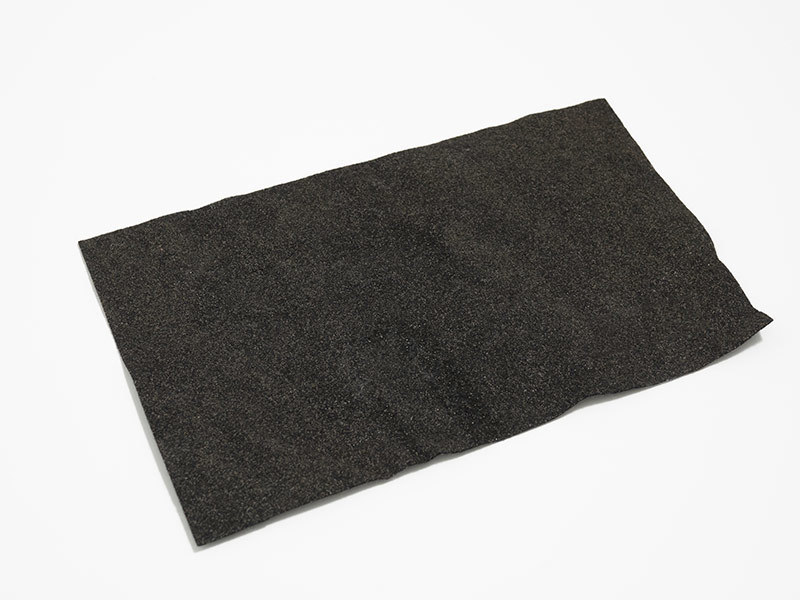
Needle punched geotextile is a versatile and durable fabric commonly used in various construction and civil engineering applications. This type of geotextile is created through a needle punching process, where barbed needles are used to entangle fibers together, resulting in a robust, non-woven material. The unique manufacturing method offers several distinct advantages, making needle punched geotextile a preferred choice in many projects.
One of the primary functions of needle punched geotextile is its ability to provide excellent filtration. It allows water to pass through while preventing the passage of soil particles, thus maintaining the integrity of the underlying soil structure. This property is particularly beneficial in applications such as road construction, drainage systems, and erosion control, where managing water flow is crucial for preventing soil displacement and ensuring stability.
Additionally, needle punched geotextile possesses considerable tensile strength and elongation properties. This strength allows it to withstand heavy loads and dynamic forces often encountered in construction sites. Whether utilized in retaining walls, landfill caps, or beneath paved surfaces, its ability to distribute stress helps to minimize punctures and tears, thereby extending the lifespan of the materials above it.
Another noteworthy aspect of needle punched geotextile is its role in soil stabilization. When used in conjunction with aggregate materials, it enhances the load-bearing capacity of soil, effectively reducing settlement and improving the overall performance of the structure. This characteristic is vital in roadways and airfields, where a stable foundation is necessary to support heavy traffic and prevent deformation over time.
In terms of installation, needle punched geotextiles are relatively easy to handle and can be cut to fit specific project requirements. Their lightweight nature also facilitates transportation and installation, making them an efficient choice for contractors who need to manage time and resources effectively.
Moreover, needle punched geotextile is often environmentally friendly. Many products are designed to be permeable, allowing natural water filtration and promoting vegetation growth, which can help to mitigate erosion and enhance aesthetic value on site.
In summary, needle punched geotextile is an essential material in the construction and civil engineering industries. Its unique properties, including excellent filtration, tensile strength, and soil stabilization capabilities, make it a valuable asset in a wide range of applications. By understanding its characteristics and advantages, professionals can make informed choices that enhance project outcomes and ensure long-term durability and performance.
Tag:
Recommended news
Unlocking the Potential of Non-Woven Customization in Textile Industry
Contact Information
Postcode:211400
Address:Tian'an Village, Xinji Town, Yizheng City


QR code
QR
TikTok