

-
-
-
Solution

-
-
Contact Us
Understanding Shapeable Nonwoven Fabric: A Versatile Textile Solution
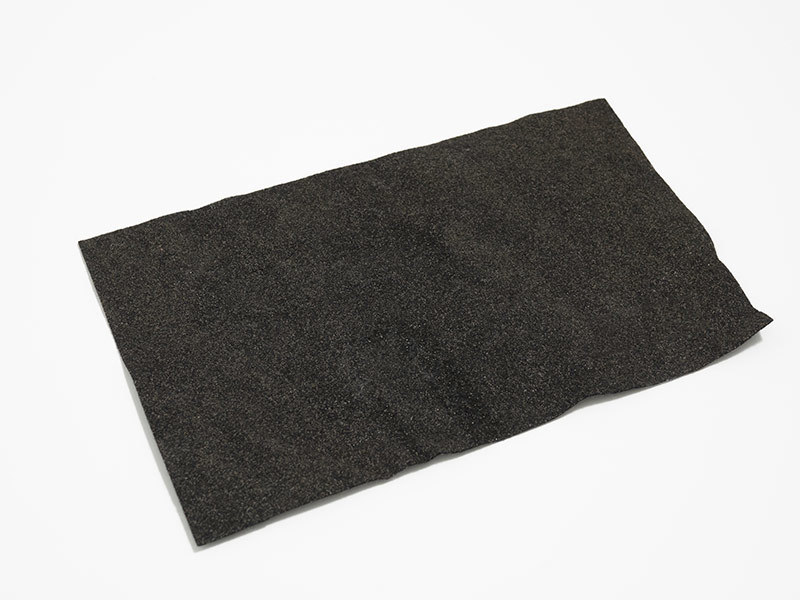
Shapeable nonwoven fabric is an exciting development within the textile industry, particularly in the nonwoven fabric sector. Unlike traditional woven textiles, shapeable nonwoven fabrics are manufactured through various processes that bond fibers together without the need for weaving or knitting. This results in a fabric that is not only lightweight and durable but also offers remarkable shaping capabilities.
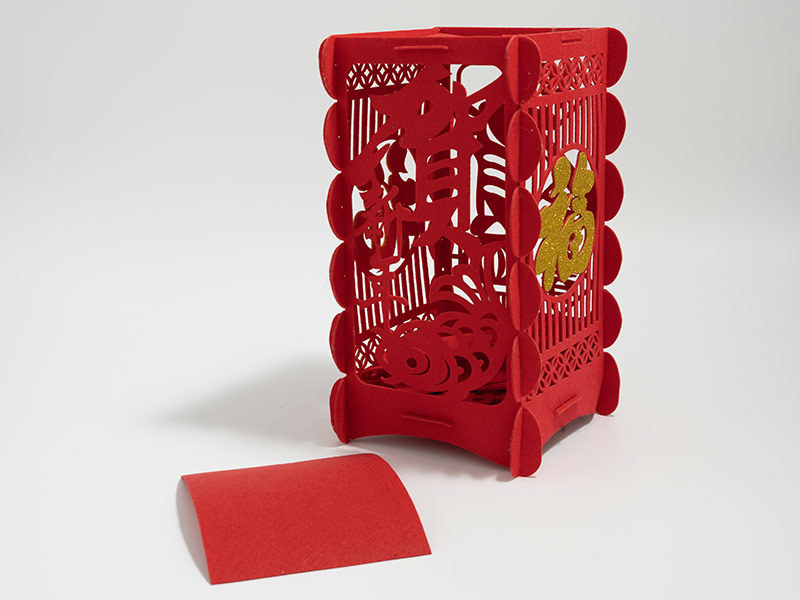
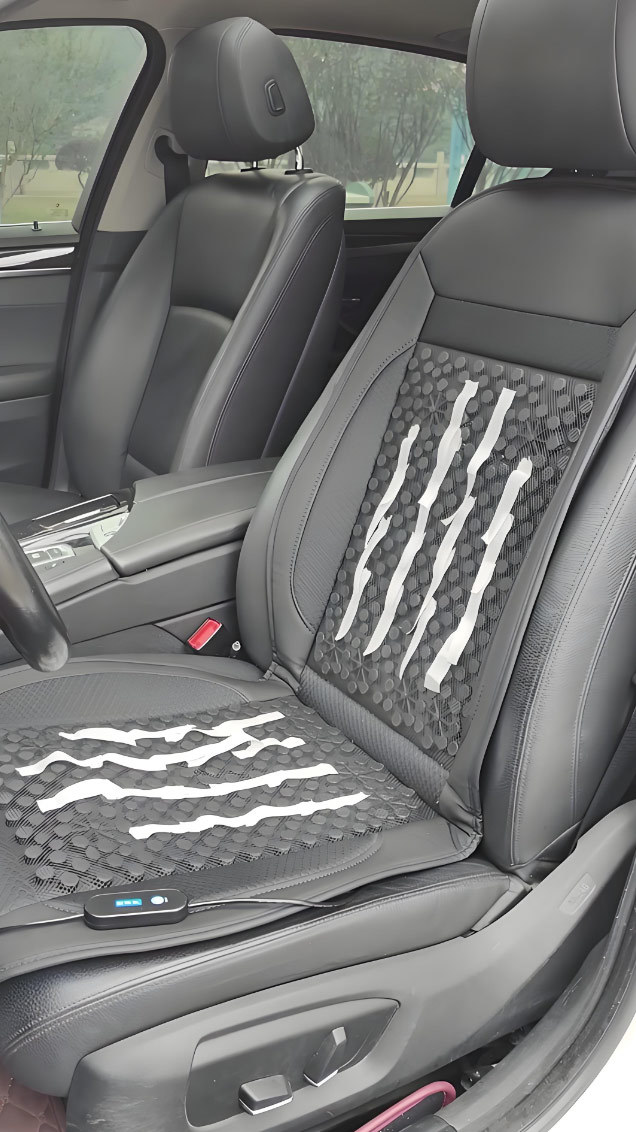
One of the primary characteristics of shapeable nonwoven fabric is its ability to be molded into various forms. This feature is particularly beneficial for applications where structure and support are essential, such as in automotive interiors, medical products, and even fashion accessories. The ability to maintain shape while being lightweight and flexible makes it a popular choice among manufacturers.
The production of shapeable nonwoven fabric typically involves advanced techniques such as needle punching, thermal bonding, or chemical bonding. These methods allow for the integration of different fiber types, enhancing the fabric's characteristics and performance. For instance, by combining synthetic and natural fibers, producers can create a fabric that not only performs well but also meets sustainability goals.
Another advantage of shapeable nonwoven fabric is its adaptability to various environments. It can be engineered to resist moisture, chemicals, and UV rays, making it suitable for outdoor applications as well as in specialized industries. This adaptability opens doors to innovations in sectors ranging from healthcare to construction.
In the healthcare industry, shapeable nonwoven fabric is used in medical gowns, drapes, and other protective clothing due to its breathability and comfort. Its shape retention properties ensure that it provides both coverage and ease of movement for medical professionals. Additionally, the fabric can be treated to enhance its antimicrobial properties, further improving its suitability for medical applications.
Moreover, the environmental impact of shapeable nonwoven fabric cannot be overlooked. Many manufacturers are focusing on sustainable practices by using recycled materials in their production processes. This not only reduces waste but also aligns with the growing demand for eco-friendly products across various markets.
In summary, shapeable nonwoven fabric represents a significant advancement in textile technology. Its unique properties, including moldability, adaptability, and sustainability, make it an invaluable resource across numerous industries. As the demand for innovative materials continues to rise, the role of shapeable nonwoven fabric will likely expand, offering new solutions to meet the needs of consumers and industries alike. Understanding its capabilities can help businesses leverage its potential for enhancing product offerings and addressing current market challenges.
Tag:
Recommended news
Unlocking the Potential of Non-Woven Customization in Textile Industry
Contact Information
Postcode:211400
Address:Tian'an Village, Xinji Town, Yizheng City


QR code
QR
TikTok