

-
-
-
Solution

-
-
Contact Us
What material is used to make non-woven fabric
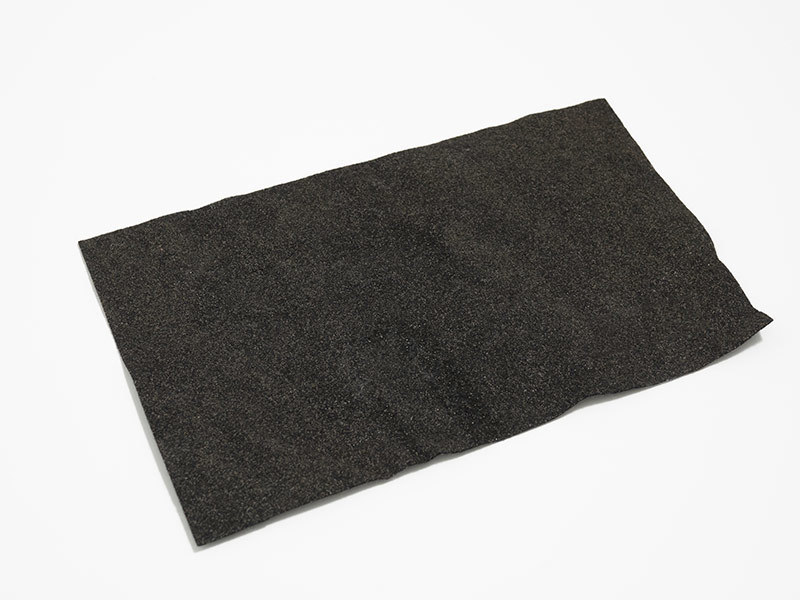
The raw material for the production of non-woven fabric is polypropylene, also known as PP plastic particles. This is a transparent plastic material that can be used to produce products of different colors by adding color masterbatch according to production needs. But its original color is transparent or milky white, and the best quality is first grade material, which is commonly referred to as "raw packaging material" by factories. The so-called raw packaging material refers to raw materials that have not been recycled and reused, and its strength and quality are still in the best state.
characteristic:
The material performance level of polypropylene raw materials determines the quality of non-woven fabric products. It itself has many excellent characteristics, such as good thermal stability, corrosion resistance, acid and alkali resistance, long service life, and high-strength mechanical properties. So where are the mechanical properties reflected? Mainly in strength, toughness, and hardness. So after being made into non-woven fabric, its performance has not decreased and it still maintains high tear resistance, so non-woven fabric has the advantages of tear resistance, shear resistance, and high stability.
characteristic:
Polypropylene, as a raw material for non-woven fabrics, has the advantage of being lightweight because its specific gravity is 0.9, which is only two-thirds of the density of cotton that we are familiar with. Although it is lightweight, it has high strength and resistance to pulling, so this characteristic of non-woven fabrics is used in many places. Moreover, non-woven fabrics made of polypropylene do not absorb water, but they are breathable and can easily keep the surface of the fabric dry and clean, without easily adsorbing dust. So its characteristic makes it used in some air purifier filters to filter dust in the air.
Tag:
Previous page
Next page
Previous page:
Next page:
Recommended news
Unlocking the Potential of Non-Woven Customization in Textile Industry
Contact Information
Postcode:211400
Address:Tian'an Village, Xinji Town, Yizheng City


QR code
QR
TikTok