

-
-
-
Solution

-
-
Contact Us
Why Needle Punched Geotextile is Essential for Construction Projects
Why Needle Punched Geotextile is Essential for Construction Projects
Table of Contents
- 1. Introduction to Needle Punched Geotextile
- 2. What is Needle Punched Geotextile?
- 3. Advantages of Using Needle Punched Geotextile
- 4. Applications of Needle Punched Geotextile in Construction
- 5. Installation and Maintenance Considerations
- 6. Economic Benefits of Needle Punched Geotextile
- 7. Environmental Impact and Sustainability
- 8. Frequently Asked Questions (FAQs)
- 9. Conclusion
1. Introduction to Needle Punched Geotextile
In the ever-evolving world of construction, the materials we choose can significantly impact the success of our projects. **Needle punched geotextile** has emerged as a vital component in construction, addressing a variety of challenges related to soil stabilization, erosion control, and drainage management. This article delves into why needle punched geotextile is not just beneficial but essential for modern construction projects.
2. What is Needle Punched Geotextile?
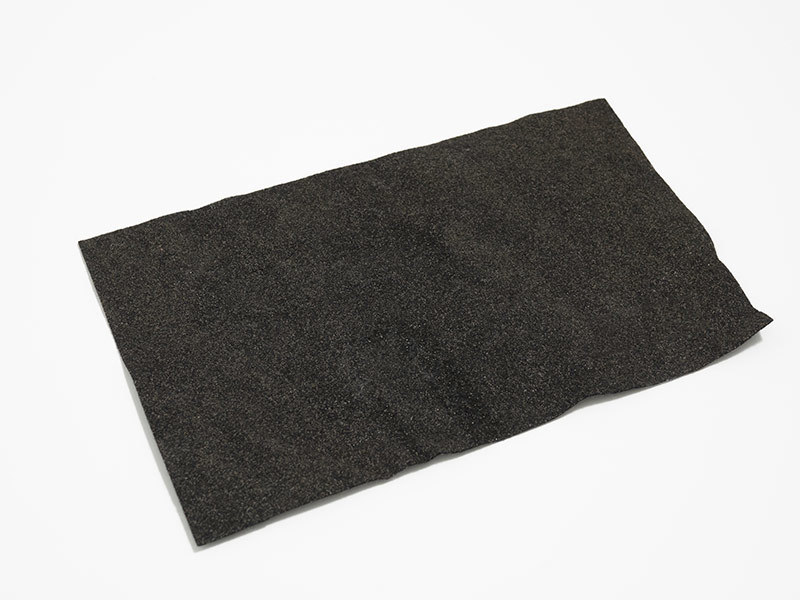
Needle punched geotextile is a type of fabric made from synthetic fibers, predominantly polypropylene or polyester, which are mechanically bonded through a process known as needle punching. This method involves using a barbed needle to interlace the fibers, creating a robust and versatile material that possesses unique properties ideal for construction applications.
Composition and Manufacturing Process
The manufacturing process of needle punched geotextile involves several steps:
1. **Fiber Selection**: High-quality synthetic fibers are chosen for their durability and resistance to environmental factors.
2. **Carding**: The fibers are aligned and layered to form a mat.
3. **Needle Punching**: A series of barbed needles penetrate the fiber mat, interlocking the fibers to create a dense and durable fabric.
4. **Finishing**: The fabric undergoes finishing treatments to enhance its performance attributes.
This intricate process results in a product that is not only durable but also highly functional, making it ideal for various construction needs.
3. Advantages of Using Needle Punched Geotextile
Needle punched geotextile offers a range of advantages that contribute to its essential role in construction projects.
3.1 Durability
One of the most significant benefits of needle punched geotextile is its durability. The robust nature of the fabric allows it to withstand harsh environmental conditions, including extreme temperatures, UV radiation, and chemical exposure. This durability translates to longer service life and reduced maintenance costs, making it a wise investment for construction firms.
3.2 Water Management
Proper water management is critical in construction projects. Needle punched geotextile is designed to facilitate efficient drainage, allowing water to flow freely while preventing soil erosion. This property is particularly valuable in areas prone to heavy rainfall or flooding, ensuring that construction sites remain stable and secure.
3.3 Soil Stability
Soil stability is paramount for the success of any construction project. By using needle punched geotextile, construction professionals can reinforce soil structures, preventing collapse and minimizing the risk of landslides. This reinforcement is especially crucial in road construction and other projects where soil integrity is a concern.
4. Applications of Needle Punched Geotextile in Construction
The versatility of needle punched geotextile makes it suitable for a wide range of applications in construction.
4.1 Road Construction
In road construction, needle punched geotextile is used to improve subgrade stability and enhance load distribution. This application not only prolongs the lifespan of roadways but also helps reduce maintenance costs over time.
4.2 Erosion Control
Erosion control is another critical application of needle punched geotextile. By stabilizing soil surfaces, this material helps prevent soil loss due to wind and water erosion. It is commonly used in landscaping, slope protection, and agricultural practices to protect valuable topsoil.
4.3 Landfill Construction
In landfill construction, needle punched geotextile serves as a separator and filter layer. It effectively manages leachate and prevents the migration of contaminants, ensuring environmental protection and compliance with regulations.
5. Installation and Maintenance Considerations
Proper installation is crucial for maximizing the benefits of needle punched geotextile. Here are some key considerations:
1. **Site Preparation**: Before installation, ensure that the site is properly prepared, including grading and clearing debris.
2. **Layering**: The needle punched geotextile should be laid out in overlapping layers to ensure maximum coverage and effectiveness.
3. **Secure Anchoring**: Use appropriate anchoring techniques to secure the geotextile in place, preventing movement during construction activities.
4. **Regular Maintenance**: Periodic inspections and maintenance are essential to ensure the integrity of the geotextile, especially in high-traffic areas.
6. Economic Benefits of Needle Punched Geotextile
Incorporating needle punched geotextile into construction projects can lead to significant economic benefits. The material's durability reduces the frequency of repairs and replacements, ultimately lowering project costs. Furthermore, enhanced soil stability and improved drainage can lead to faster project completion times, translating into increased productivity and profitability.
7. Environmental Impact and Sustainability
Needle punched geotextile not only provides economic advantages but also contributes to environmental sustainability. By preventing soil erosion and managing water runoff, this material plays a crucial role in protecting ecosystems and conserving natural resources. Additionally, its longevity reduces waste, making it an eco-friendly choice for construction projects.
8. Frequently Asked Questions (FAQs)
What is the lifespan of needle punched geotextile?
**Answer**: The lifespan of needle punched geotextile can vary based on environmental conditions and installation practices, but it typically lasts 15-25 years.
Can needle punched geotextile be recycled?
**Answer**: Yes, many types of needle punched geotextile are recyclable, contributing to sustainability efforts in construction.
How does needle punched geotextile compare to woven geotextile?
**Answer**: Needle punched geotextile is generally more versatile and better suited for applications requiring high drainage capacity and soil stabilization compared to woven geotextile.
Is needle punched geotextile suitable for wet environments?
**Answer**: Yes, needle punched geotextile is designed to perform well in wet environments, providing effective drainage and erosion control.
Can needle punched geotextile be used on slopes?
**Answer**: Absolutely. Needle punched geotextile is often used on slopes to provide stabilization and prevent soil erosion.
9. Conclusion
In conclusion, needle punched geotextile is an indispensable material for modern construction projects. Its durability, effective water management, and soil stabilization capabilities make it essential for ensuring the longevity and success of various construction endeavors. By understanding and utilizing the advantages of needle punched geotextile, construction professionals can enhance project outcomes while contributing to environmental sustainability. As the construction industry continues to evolve, the importance of innovative materials like needle punched geotextile will only grow, solidifying its role as a foundational element in construction practices.
Tag:
Next page
Next page:
Recommended news
Unlocking the Potential of Non-Woven Customization in Textile Industry
Contact Information
Postcode:211400
Address:Tian'an Village, Xinji Town, Yizheng City


QR code
QR
TikTok