

-
-
-
Solution

-
-
Contact Us
Exploring the Benefits and Applications of Coconut Shell Rag Nonwoven Fabrics
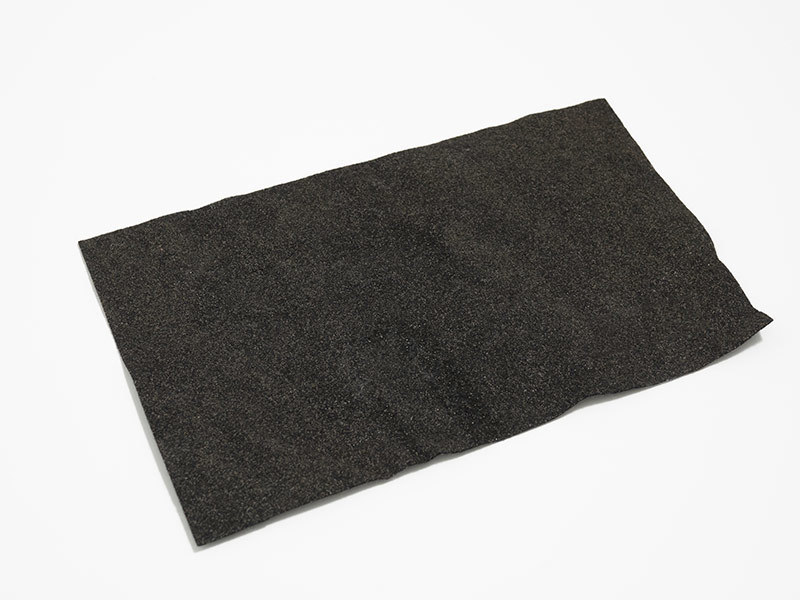
Coconut Shell Rag Nonwoven fabrics are emerging as a sustainable alternative in the textile industry, particularly in the realm of nonwoven materials. These fabrics are made from the fibrous byproducts of coconut shells, which are often discarded as waste. By transforming these shells into usable textiles, the industry not only helps reduce waste but also contributes to the circular economy.
One of the most significant advantages of Coconut Shell Rag Nonwoven is its eco-friendliness. As a natural product, it is biodegradable, unlike many synthetic alternatives that can take hundreds of years to decompose. This makes Coconut Shell Rag a fantastic choice for environmentally conscious consumers and businesses looking to reduce their ecological footprint. The process of manufacturing this nonwoven fabric typically requires less energy and fewer chemicals than traditional textile production, further minimizing its environmental impact.
Additionally, Coconut Shell Rag Nonwoven fabrics exhibit excellent durability and strength. The natural fibers derived from coconut shells provide resilience and longevity, making them suitable for a variety of applications. From industrial uses, such as filtration systems and automotive interiors, to consumer products like bags and home textiles, the versatility of these nonwoven fabrics is impressive. The unique texture and appearance of Coconut Shell Rag also add aesthetic value, appealing to designers and consumers alike.
In terms of functionality, Coconut Shell Rag Nonwoven fabrics possess moisture-wicking properties, making them ideal for products that require breathability and comfort. This characteristic is particularly advantageous in the production of nonwoven items such as disposable hygiene products and personal protective equipment (PPE), where comfort and functionality are paramount. Furthermore, the natural antibacterial properties of coconut fibers can enhance hygiene in various applications, making them a preferred choice in health and wellness products.
The use of Coconut Shell Rag in the fashion industry is also gaining traction. Designers are increasingly looking for sustainable materials that not only meet aesthetic criteria but also align with ethical production practices. By incorporating Coconut Shell Rag Nonwoven fabrics into their collections, brands can appeal to a growing demographic of eco-conscious consumers seeking stylish yet sustainable options.
In conclusion, Coconut Shell Rag Nonwoven fabrics offer a wealth of benefits, from their eco-friendly nature and durability to their versatile applications across various industries. As the demand for sustainable solutions continues to rise, these innovative textiles are poised to play a significant role in shaping the future of the nonwoven fabric market. Exploring the possibilities and embracing these materials can lead to a more sustainable and responsible approach to textile production.
One of the most significant advantages of Coconut Shell Rag Nonwoven is its eco-friendliness. As a natural product, it is biodegradable, unlike many synthetic alternatives that can take hundreds of years to decompose. This makes Coconut Shell Rag a fantastic choice for environmentally conscious consumers and businesses looking to reduce their ecological footprint. The process of manufacturing this nonwoven fabric typically requires less energy and fewer chemicals than traditional textile production, further minimizing its environmental impact.
Additionally, Coconut Shell Rag Nonwoven fabrics exhibit excellent durability and strength. The natural fibers derived from coconut shells provide resilience and longevity, making them suitable for a variety of applications. From industrial uses, such as filtration systems and automotive interiors, to consumer products like bags and home textiles, the versatility of these nonwoven fabrics is impressive. The unique texture and appearance of Coconut Shell Rag also add aesthetic value, appealing to designers and consumers alike.
In terms of functionality, Coconut Shell Rag Nonwoven fabrics possess moisture-wicking properties, making them ideal for products that require breathability and comfort. This characteristic is particularly advantageous in the production of nonwoven items such as disposable hygiene products and personal protective equipment (PPE), where comfort and functionality are paramount. Furthermore, the natural antibacterial properties of coconut fibers can enhance hygiene in various applications, making them a preferred choice in health and wellness products.
The use of Coconut Shell Rag in the fashion industry is also gaining traction. Designers are increasingly looking for sustainable materials that not only meet aesthetic criteria but also align with ethical production practices. By incorporating Coconut Shell Rag Nonwoven fabrics into their collections, brands can appeal to a growing demographic of eco-conscious consumers seeking stylish yet sustainable options.
In conclusion, Coconut Shell Rag Nonwoven fabrics offer a wealth of benefits, from their eco-friendly nature and durability to their versatile applications across various industries. As the demand for sustainable solutions continues to rise, these innovative textiles are poised to play a significant role in shaping the future of the nonwoven fabric market. Exploring the possibilities and embracing these materials can lead to a more sustainable and responsible approach to textile production.
Tag:
Recommended news
Unlocking the Potential of Non-Woven Customization in Textile Industry
The realm of non-woven customization presents an array of opportunities for professionals in the textile industry. Non-woven fabrics, unlike traditional woven textiles, are made by bonding fibers together through mechanical, thermal, or chemical means. This unique manufacturing process allows for a myriad of customized solutions that can cater to specific needs across various applications.
One of

Contact Information
Postcode:211400
Address:Tian'an Village, Xinji Town, Yizheng City


QR code
QR
TikTok