

-
-
-
Solution

-
-
Contact Us
Exploring the Benefits and Applications of Coconut Shell Rag Nonwoven Fabrics
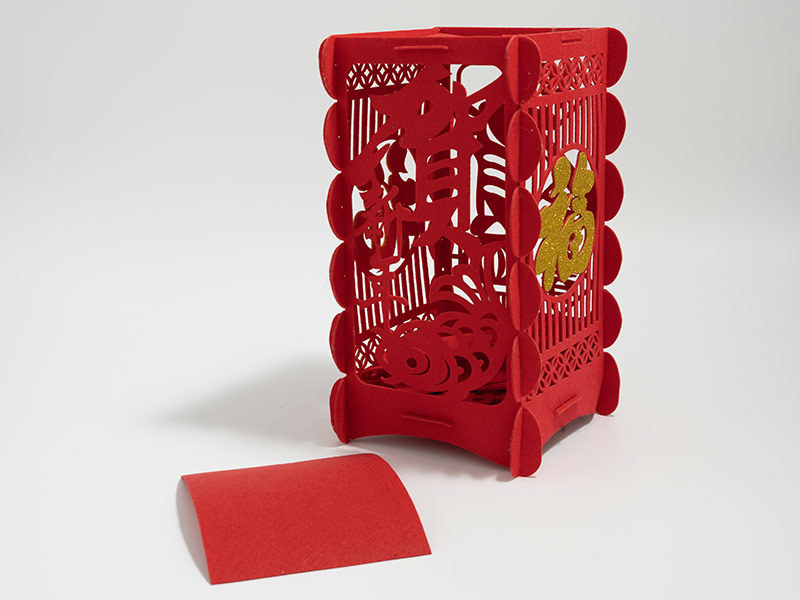
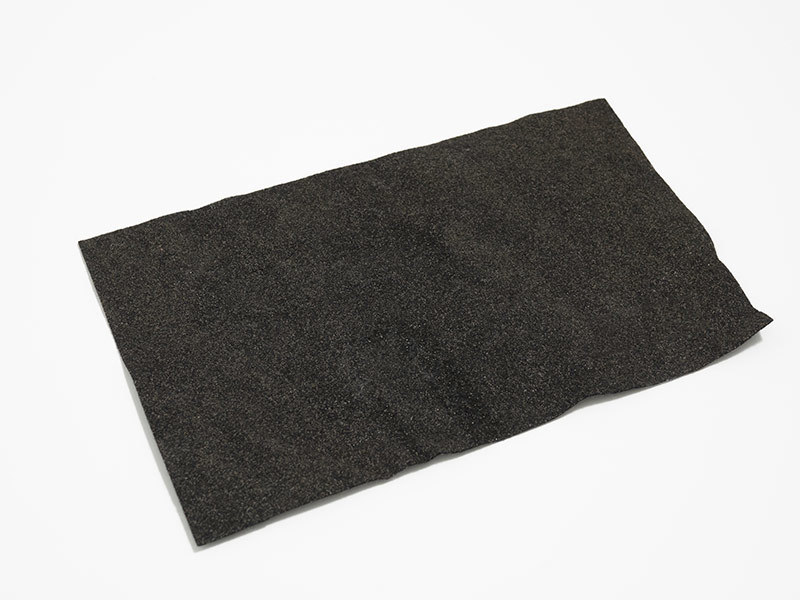
Coconut Shell Rag Nonwoven fabrics are emerging as a noteworthy option in the world of textiles, particularly in the nonwoven sector. Made from the fibrous remnants of coconut shells, these materials are not only biodegradable but also contribute to reducing waste in the environment. The utilization of coconut waste in fabric production exemplifies a circular economy approach, transforming a byproduct into a valuable resource.
One of the defining features of Coconut Shell Rag Nonwoven fabrics is their durability. The fibers extracted from coconut shells possess inherent strength, making these nonwoven materials suitable for a variety of applications. Industries such as automotive, construction, and home furnishings are increasingly utilizing these fabrics for their robustness and resistance to wear and tear.
In addition to physical strength, the environmental impact of using Coconut Shell Rag Nonwoven fabrics cannot be overstated. As awareness of sustainability grows, manufacturers and consumers alike are seeking alternatives to conventional synthetic textiles, which often involve significant environmental cost. Coconut fibers are naturally occurring and require less energy to process compared to synthetic fibers, thereby reducing the carbon footprint associated with fabric production.
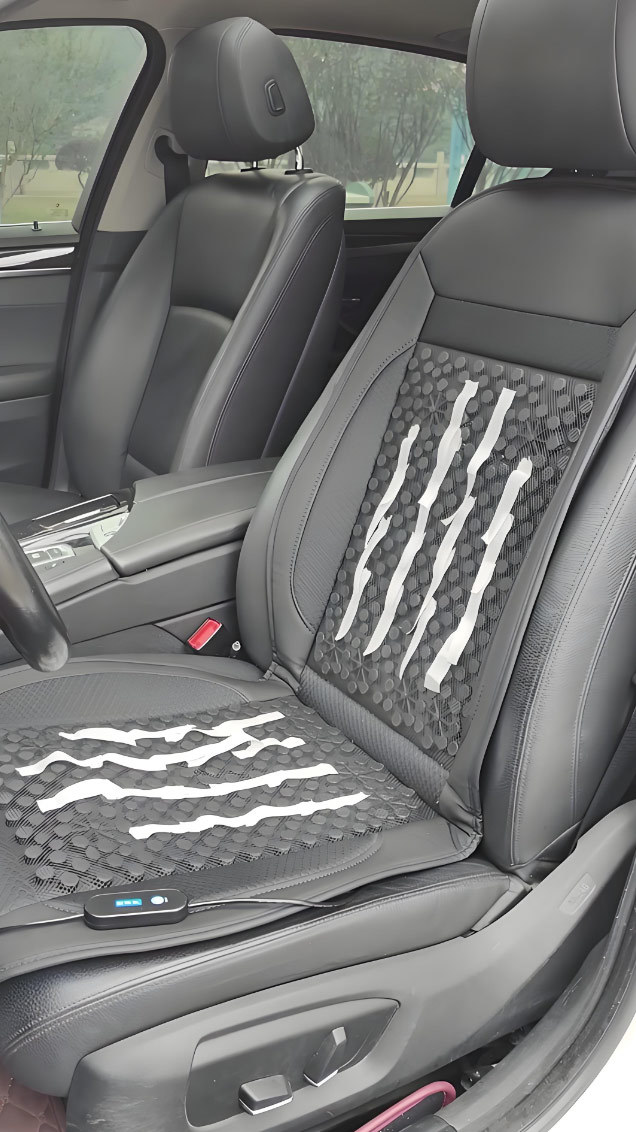
The versatility of Coconut Shell Rag Nonwoven fabrics extends to their application in various markets. In the automotive sector, these fabrics can be utilized for interior linings due to their lightweight and insulating properties, contributing to overall vehicle efficiency. Furthermore, in the realm of home furnishings, they can be found in products such as upholstery and decorative items, where both functionality and aesthetics are paramount.
Moreover, these nonwoven fabrics are gaining traction in the agricultural sector, where they can be employed as biodegradable plant covers or as components in eco-friendly packaging solutions. Their ability to decompose naturally makes them an ideal choice for environmentally conscious consumers and businesses.
While the potential of Coconut Shell Rag Nonwoven fabrics is significant, ongoing research and development are essential to further enhance their properties and broaden their applications. Innovations in processing techniques and blending with other natural fibers may open new avenues for these materials, ensuring they remain relevant in an ever-evolving market.
In conclusion, Coconut Shell Rag Nonwoven fabrics are not just a sustainable choice; they embody a forward-thinking approach to textile production. As industries continue to prioritize eco-friendliness and resource optimization, the relevance of these innovative materials will undoubtedly grow, appealing to environmentally conscious consumers and professionals alike. Embracing such alternatives is not merely a trend but a commitment to a more sustainable future in textiles.
One of the defining features of Coconut Shell Rag Nonwoven fabrics is their durability. The fibers extracted from coconut shells possess inherent strength, making these nonwoven materials suitable for a variety of applications. Industries such as automotive, construction, and home furnishings are increasingly utilizing these fabrics for their robustness and resistance to wear and tear.
In addition to physical strength, the environmental impact of using Coconut Shell Rag Nonwoven fabrics cannot be overstated. As awareness of sustainability grows, manufacturers and consumers alike are seeking alternatives to conventional synthetic textiles, which often involve significant environmental cost. Coconut fibers are naturally occurring and require less energy to process compared to synthetic fibers, thereby reducing the carbon footprint associated with fabric production.
The versatility of Coconut Shell Rag Nonwoven fabrics extends to their application in various markets. In the automotive sector, these fabrics can be utilized for interior linings due to their lightweight and insulating properties, contributing to overall vehicle efficiency. Furthermore, in the realm of home furnishings, they can be found in products such as upholstery and decorative items, where both functionality and aesthetics are paramount.
Moreover, these nonwoven fabrics are gaining traction in the agricultural sector, where they can be employed as biodegradable plant covers or as components in eco-friendly packaging solutions. Their ability to decompose naturally makes them an ideal choice for environmentally conscious consumers and businesses.
While the potential of Coconut Shell Rag Nonwoven fabrics is significant, ongoing research and development are essential to further enhance their properties and broaden their applications. Innovations in processing techniques and blending with other natural fibers may open new avenues for these materials, ensuring they remain relevant in an ever-evolving market.
In conclusion, Coconut Shell Rag Nonwoven fabrics are not just a sustainable choice; they embody a forward-thinking approach to textile production. As industries continue to prioritize eco-friendliness and resource optimization, the relevance of these innovative materials will undoubtedly grow, appealing to environmentally conscious consumers and professionals alike. Embracing such alternatives is not merely a trend but a commitment to a more sustainable future in textiles.
Tag:
Recommended news
Unlocking the Potential of Non-Woven Customization in Textile Industry
The realm of non-woven customization presents an array of opportunities for professionals in the textile industry. Non-woven fabrics, unlike traditional woven textiles, are made by bonding fibers together through mechanical, thermal, or chemical means. This unique manufacturing process allows for a myriad of customized solutions that can cater to specific needs across various applications.
One of
Contact Information
Postcode:211400
Address:Tian'an Village, Xinji Town, Yizheng City


QR code
QR
TikTok