

-
-
-
Solution

-
-
Contact Us
The Versatility of Car Lining Non-Woven Fabric: Enhancing Automotive Interiors
---
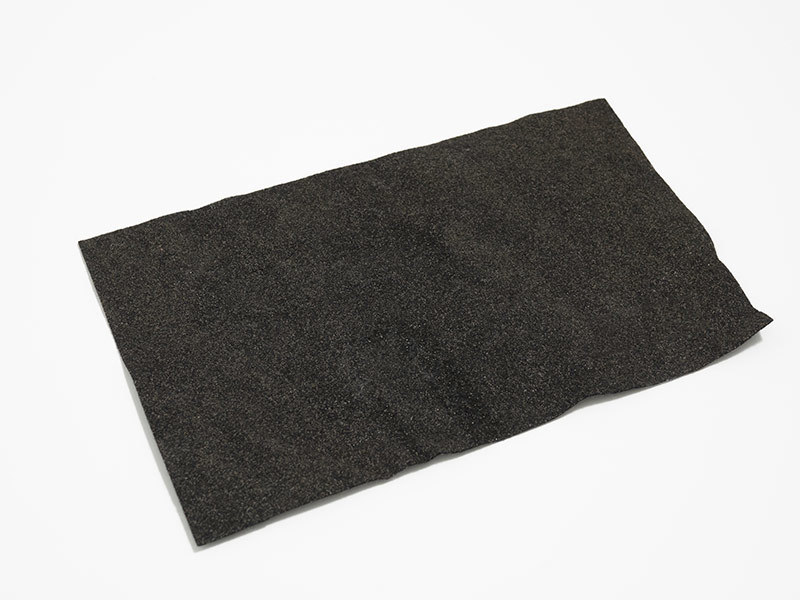
Car lining non-woven fabric is a specialized material that plays a crucial role in the automotive sector, particularly in enhancing vehicle interiors. This fabric type is manufactured through a process that combines fibers without weaving, resulting in a lightweight, durable, and versatile product that is ideal for various applications in cars.
One of the primary advantages of using non-woven fabric in car linings is its excellent sound insulation properties. The structure of non-woven fabric helps in absorbing sound, providing a quieter and more comfortable ride for passengers. This feature is particularly important in the automotive industry, where noise reduction is a key factor in customer satisfaction and overall driving experience. As a result, many manufacturers are increasingly incorporating car lining non-woven fabrics in their vehicle designs.
In addition to noise reduction, car lining non-woven fabric offers exceptional thermal insulation. It effectively helps regulate the temperature within the vehicle, making the interior comfortable regardless of external weather conditions. The material's lightweight nature contributes to overall fuel efficiency, as lighter materials can enhance a vehicle's performance.
Another significant benefit is the versatility of car lining non-woven fabrics. These materials can be easily molded and shaped to fit various automotive components, such as headliners, door panels, and trunk liners. This adaptability allows manufacturers to create intricate designs and configurations that enhance both aesthetics and functionality. Furthermore, non-woven fabrics can be produced with various textures and colors, allowing for a customized look that meets the preferences of different consumers.
Sustainability is another aspect worth mentioning. Many manufacturers are actively seeking eco-friendly materials, and car lining non-woven fabrics can be produced using recycled fibers or biodegradable components. This aligns with the growing trend towards sustainability in the automotive industry, where environmental considerations are becoming increasingly important to consumers.
When selecting car lining non-woven fabric, it is essential to consider factors such as weight, durability, and performance characteristics. Different grades of non-woven fabrics can offer varying levels of strength and insulation, so it is important to assess the specific needs of the vehicle and the intended use of the fabric.
In conclusion, car lining non-woven fabric is a vital component in modern automotive design, offering a range of benefits that enhance vehicle interiors. Its sound and thermal insulation properties, versatility in applications, and potential for sustainability make it an attractive option for manufacturers aiming to improve the driving experience. As the automotive industry continues to evolve, the importance of high-quality materials like car lining non-woven fabric will undoubtedly grow, making it a key focus for future innovations.
Car lining non-woven fabric is a specialized material that plays a crucial role in the automotive sector, particularly in enhancing vehicle interiors. This fabric type is manufactured through a process that combines fibers without weaving, resulting in a lightweight, durable, and versatile product that is ideal for various applications in cars.
One of the primary advantages of using non-woven fabric in car linings is its excellent sound insulation properties. The structure of non-woven fabric helps in absorbing sound, providing a quieter and more comfortable ride for passengers. This feature is particularly important in the automotive industry, where noise reduction is a key factor in customer satisfaction and overall driving experience. As a result, many manufacturers are increasingly incorporating car lining non-woven fabrics in their vehicle designs.
In addition to noise reduction, car lining non-woven fabric offers exceptional thermal insulation. It effectively helps regulate the temperature within the vehicle, making the interior comfortable regardless of external weather conditions. The material's lightweight nature contributes to overall fuel efficiency, as lighter materials can enhance a vehicle's performance.
Another significant benefit is the versatility of car lining non-woven fabrics. These materials can be easily molded and shaped to fit various automotive components, such as headliners, door panels, and trunk liners. This adaptability allows manufacturers to create intricate designs and configurations that enhance both aesthetics and functionality. Furthermore, non-woven fabrics can be produced with various textures and colors, allowing for a customized look that meets the preferences of different consumers.
Sustainability is another aspect worth mentioning. Many manufacturers are actively seeking eco-friendly materials, and car lining non-woven fabrics can be produced using recycled fibers or biodegradable components. This aligns with the growing trend towards sustainability in the automotive industry, where environmental considerations are becoming increasingly important to consumers.
When selecting car lining non-woven fabric, it is essential to consider factors such as weight, durability, and performance characteristics. Different grades of non-woven fabrics can offer varying levels of strength and insulation, so it is important to assess the specific needs of the vehicle and the intended use of the fabric.
In conclusion, car lining non-woven fabric is a vital component in modern automotive design, offering a range of benefits that enhance vehicle interiors. Its sound and thermal insulation properties, versatility in applications, and potential for sustainability make it an attractive option for manufacturers aiming to improve the driving experience. As the automotive industry continues to evolve, the importance of high-quality materials like car lining non-woven fabric will undoubtedly grow, making it a key focus for future innovations.
Tag:
Recommended news
Unlocking the Potential of Non-Woven Customization in Textile Industry
The realm of non-woven customization presents an array of opportunities for professionals in the textile industry. Non-woven fabrics, unlike traditional woven textiles, are made by bonding fibers together through mechanical, thermal, or chemical means. This unique manufacturing process allows for a myriad of customized solutions that can cater to specific needs across various applications.
One of
Contact Information
Postcode:211400
Address:Tian'an Village, Xinji Town, Yizheng City


QR code
QR
TikTok