

-
-
-
Solution

-
-
Contact Us
The Versatile Applications of Car Roof Non-Woven Fabric
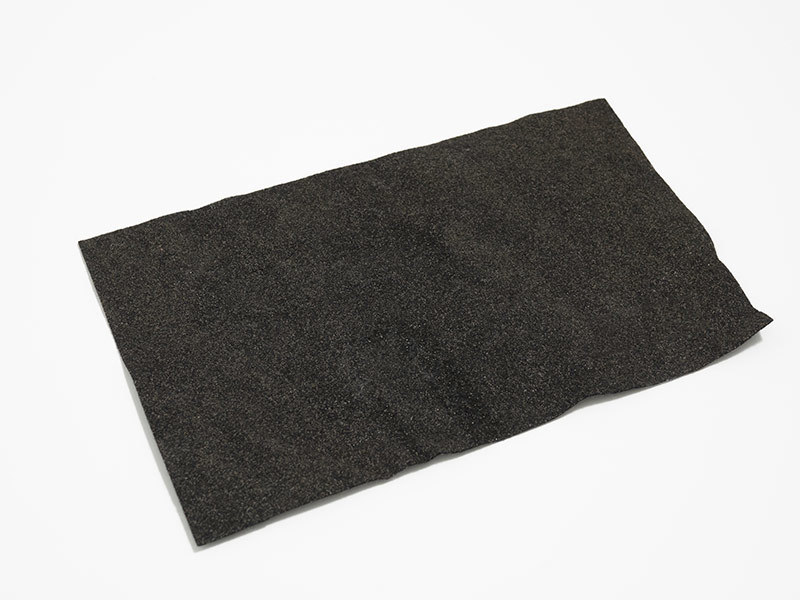
Car roof non-woven fabric is an innovative textile solution widely used in the automotive industry, particularly in the production of vehicle interiors. This type of fabric is characterized by its unique manufacturing process, which involves bonding fibers together through mechanical, thermal, or chemical means, rather than weaving them. This results in a material that is not only lightweight but also exceptionally durable, making it an excellent choice for various applications in vehicles.
One of the primary advantages of car roof non-woven fabric is its sound-absorbing properties. In modern vehicles, reducing noise levels for a more comfortable ride is a top priority for manufacturers. Non-woven fabrics can effectively minimize road and engine noise, contributing to a quieter cabin environment. This acoustic insulation is particularly beneficial for high-end vehicles, where a serene driving experience is paramount.
Moreover, car roof non-woven fabric offers excellent heat and moisture resistance. Vehicles are often exposed to extreme weather conditions, and using materials that can withstand temperature fluctuations and humidity is crucial. Non-woven fabrics are designed to maintain their integrity under such conditions, thereby enhancing the longevity and reliability of the vehicle's interior components. This resilience is a significant factor in ensuring that the aesthetic appearance of the car remains intact over time.
In addition to its functional benefits, car roof non-woven fabric is also available in various textures and colors. This versatility allows automotive designers to create visually appealing interiors that meet the preferences of diverse consumers. Whether it's a sleek, modern finish or a more traditional look, non-woven fabric can be customized to suit the design requirements of any vehicle model.
Another essential aspect of car roof non-woven fabric is its lightweight nature. With fuel efficiency being a growing concern in the automotive industry, reducing the overall weight of a vehicle is vital. Non-woven fabrics can contribute to lighter vehicle construction without sacrificing strength or performance, making them an environmentally friendly choice for manufacturers looking to improve fuel economy.
Furthermore, the production of car roof non-woven fabric is often more sustainable than traditional woven fabrics. Many manufacturers are now focusing on eco-friendly practices, utilizing recycled materials and reducing waste during the production process. This commitment to sustainability resonates with consumers who are increasingly aware of environmental issues and prefer products that reflect their values.
In conclusion, car roof non-woven fabric represents a multifaceted solution in the automotive industry, combining functionality, aesthetics, and sustainability. Its sound-absorbing qualities, moisture resistance, design versatility, lightweight characteristics, and eco-friendly production make it an indispensable material for modern vehicles. As automotive technology continues to evolve, the role of non-woven fabrics will only become more significant, shaping the future of car interiors.
One of the primary advantages of car roof non-woven fabric is its sound-absorbing properties. In modern vehicles, reducing noise levels for a more comfortable ride is a top priority for manufacturers. Non-woven fabrics can effectively minimize road and engine noise, contributing to a quieter cabin environment. This acoustic insulation is particularly beneficial for high-end vehicles, where a serene driving experience is paramount.
Moreover, car roof non-woven fabric offers excellent heat and moisture resistance. Vehicles are often exposed to extreme weather conditions, and using materials that can withstand temperature fluctuations and humidity is crucial. Non-woven fabrics are designed to maintain their integrity under such conditions, thereby enhancing the longevity and reliability of the vehicle's interior components. This resilience is a significant factor in ensuring that the aesthetic appearance of the car remains intact over time.
In addition to its functional benefits, car roof non-woven fabric is also available in various textures and colors. This versatility allows automotive designers to create visually appealing interiors that meet the preferences of diverse consumers. Whether it's a sleek, modern finish or a more traditional look, non-woven fabric can be customized to suit the design requirements of any vehicle model.
Another essential aspect of car roof non-woven fabric is its lightweight nature. With fuel efficiency being a growing concern in the automotive industry, reducing the overall weight of a vehicle is vital. Non-woven fabrics can contribute to lighter vehicle construction without sacrificing strength or performance, making them an environmentally friendly choice for manufacturers looking to improve fuel economy.
Furthermore, the production of car roof non-woven fabric is often more sustainable than traditional woven fabrics. Many manufacturers are now focusing on eco-friendly practices, utilizing recycled materials and reducing waste during the production process. This commitment to sustainability resonates with consumers who are increasingly aware of environmental issues and prefer products that reflect their values.
In conclusion, car roof non-woven fabric represents a multifaceted solution in the automotive industry, combining functionality, aesthetics, and sustainability. Its sound-absorbing qualities, moisture resistance, design versatility, lightweight characteristics, and eco-friendly production make it an indispensable material for modern vehicles. As automotive technology continues to evolve, the role of non-woven fabrics will only become more significant, shaping the future of car interiors.
Tag:
Recommended news
Unlocking the Potential of Non-Woven Customization in Textile Industry
The realm of non-woven customization presents an array of opportunities for professionals in the textile industry. Non-woven fabrics, unlike traditional woven textiles, are made by bonding fibers together through mechanical, thermal, or chemical means. This unique manufacturing process allows for a myriad of customized solutions that can cater to specific needs across various applications.
One of
Contact Information
Postcode:211400
Address:Tian'an Village, Xinji Town, Yizheng City


QR code
QR
TikTok