

-
-
-
Solution

-
-
Contact Us
Exploring the Benefits and Applications of Non-Woven Fabric for Car Trunks
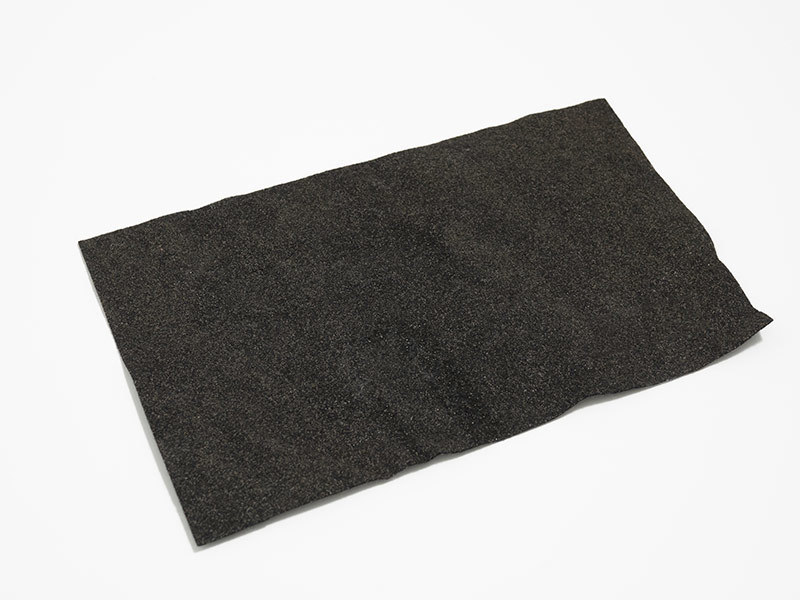
Non-woven fabric for car trunks has emerged as a significant innovation in the automotive sector, primarily due to its unique blend of functionality and aesthetic appeal. Non-woven fabrics are engineered from synthetic or natural fibers that are bonded together through various processes, such as heat, chemicals, or mechanical means. This results in a material that possesses distinct advantages over traditional woven fabrics, making it particularly attractive for use in car trunks.
One of the primary benefits of non-woven fabric is its lightweight nature. In the automotive industry, weight reduction is crucial as it directly impacts fuel efficiency and overall vehicle performance. Non-woven fabrics for car trunks provide a sturdy yet lightweight alternative to heavier materials, contributing to improved fuel economy without compromising on durability.
Another key advantage of non-woven fabric is its excellent resistance to moisture and stains. Car trunks are often exposed to various environmental conditions, including spills and humidity. Non-woven fabrics can be treated to enhance their water repellency, making them easier to clean and maintain. This feature is particularly appealing for consumers who frequently transport items that may leak or cause stains.
Additionally, non-woven fabrics offer sound-dampening properties, which can enhance the overall driving experience. By reducing noise levels, these fabrics contribute to a quieter cabin environment, which is an important consideration for many drivers. This sound attenuation property is particularly beneficial in larger vehicles where noise can be more pronounced.
The versatility of non-woven fabric extends beyond its functional attributes. It is available in a variety of textures and colors, allowing for extensive customization options. This means that manufacturers can create aesthetically pleasing trunk linings that complement the overall design of the vehicle, further enhancing its market appeal.
Furthermore, non-woven fabric is often more environmentally friendly compared to traditional woven textiles. Many non-woven products are designed to be recyclable, and the production processes can result in less waste. As the automotive industry increasingly focuses on sustainability, the use of non-woven fabric aligns well with eco-friendly initiatives.
In conclusion, non-woven fabric for car trunks presents a multitude of advantages, including weight reduction, moisture resistance, sound dampening, aesthetic versatility, and environmental sustainability. As automotive manufacturers continue to seek innovative materials to enhance vehicle performance and consumer satisfaction, non-woven fabrics are likely to play a pivotal role in the future of car interior design. Their unique properties not only meet the practical demands of today’s drivers but also offer exciting opportunities for customization and eco-conscious development within the automotive industry.
One of the primary benefits of non-woven fabric is its lightweight nature. In the automotive industry, weight reduction is crucial as it directly impacts fuel efficiency and overall vehicle performance. Non-woven fabrics for car trunks provide a sturdy yet lightweight alternative to heavier materials, contributing to improved fuel economy without compromising on durability.
Another key advantage of non-woven fabric is its excellent resistance to moisture and stains. Car trunks are often exposed to various environmental conditions, including spills and humidity. Non-woven fabrics can be treated to enhance their water repellency, making them easier to clean and maintain. This feature is particularly appealing for consumers who frequently transport items that may leak or cause stains.
Additionally, non-woven fabrics offer sound-dampening properties, which can enhance the overall driving experience. By reducing noise levels, these fabrics contribute to a quieter cabin environment, which is an important consideration for many drivers. This sound attenuation property is particularly beneficial in larger vehicles where noise can be more pronounced.
The versatility of non-woven fabric extends beyond its functional attributes. It is available in a variety of textures and colors, allowing for extensive customization options. This means that manufacturers can create aesthetically pleasing trunk linings that complement the overall design of the vehicle, further enhancing its market appeal.
Furthermore, non-woven fabric is often more environmentally friendly compared to traditional woven textiles. Many non-woven products are designed to be recyclable, and the production processes can result in less waste. As the automotive industry increasingly focuses on sustainability, the use of non-woven fabric aligns well with eco-friendly initiatives.
In conclusion, non-woven fabric for car trunks presents a multitude of advantages, including weight reduction, moisture resistance, sound dampening, aesthetic versatility, and environmental sustainability. As automotive manufacturers continue to seek innovative materials to enhance vehicle performance and consumer satisfaction, non-woven fabrics are likely to play a pivotal role in the future of car interior design. Their unique properties not only meet the practical demands of today’s drivers but also offer exciting opportunities for customization and eco-conscious development within the automotive industry.
Tag:
Recommended news
Unlocking the Potential of Non-Woven Customization in Textile Industry
The realm of non-woven customization presents an array of opportunities for professionals in the textile industry. Non-woven fabrics, unlike traditional woven textiles, are made by bonding fibers together through mechanical, thermal, or chemical means. This unique manufacturing process allows for a myriad of customized solutions that can cater to specific needs across various applications.
One of
Contact Information
Postcode:211400
Address:Tian'an Village, Xinji Town, Yizheng City


QR code
QR
TikTok