

-
-
-
Solution

-
-
Contact Us
Understanding Car Seat Heating Pad Substrates: A Comprehensive Guide for Professionals
When it comes to enhancing comfort in vehicles, car seat heating pads have become a popular feature, especially in colder climates. Behind the effective functioning of these heating pads lies the substrate material, which plays a crucial role in both performance and user experience. This article delves into the significance of car seat heating pad substrates, the types available, and the factors to consider when choosing the right one.
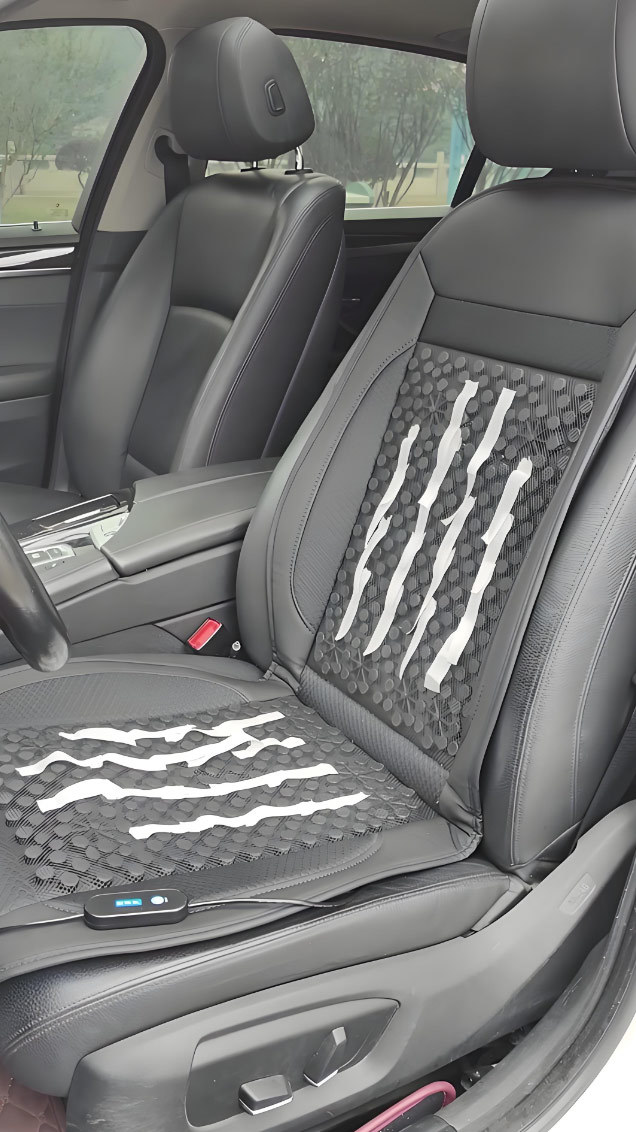
Car seat heating pads typically consist of a heating element sandwiched between layers of substrate material. The substrate serves several important functions: it acts as an insulating layer to distribute heat evenly, provides durability to withstand daily wear and tear, and contributes to user comfort through its texture and breathability. Selecting the right substrate is essential for achieving optimal heating efficiency and ensuring a pleasant experience for the passengers.
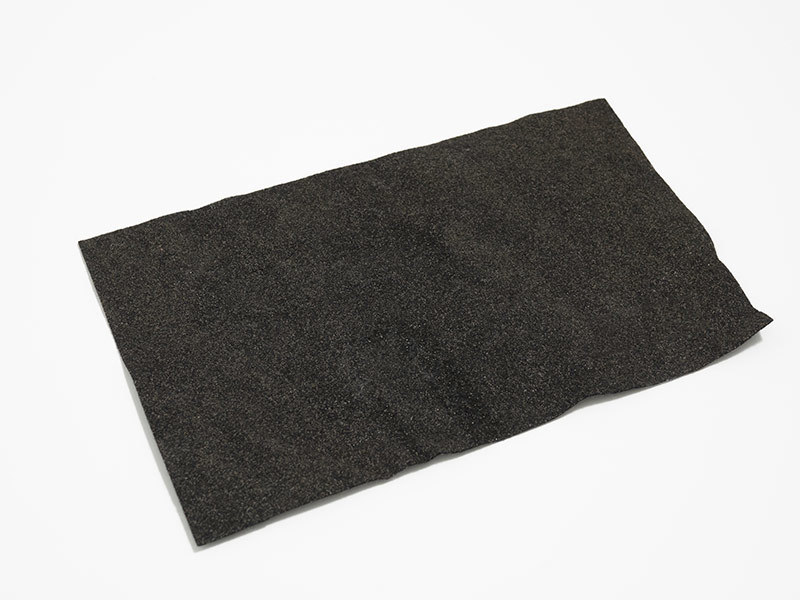
There are several types of materials used as substrates in car seat heating pads. Common options include non-woven fabrics, foam, and specialized thermal insulating materials. Non-woven fabrics, for instance, are favored for their lightweight properties and ease of integration into various seat designs. These materials can be engineered to provide excellent thermal conductivity while maintaining a soft feel against the skin. Additionally, innovative non-woven substrates can enhance moisture management, further improving passenger comfort during use.
Another critical factor to consider when discussing car seat heating pad substrates is the thermal conductivity. High-quality substrates must allow for efficient heat transfer from the heating element to the user, ensuring that warmth is felt quickly and evenly. This is particularly important in applications where quick heating is desired, such as during the winter months. Furthermore, the substrate's resistance to wear and tear over time is vital to maintain functionality and safety standards.
When choosing a substrate for car seat heating pads, professionals should also consider the ease of manufacturing and compatibility with existing upholstery materials. The chosen substrate should be flexible enough to conform to the contours of the seat while remaining robust enough to endure the stresses of regular use. Additionally, the substrate should be tested for safety, ensuring that it can withstand prolonged exposure to heat without degrading or emitting harmful substances.
In conclusion, understanding the role of car seat heating pad substrates is essential for professionals in the automotive textile industry. These materials not only contribute to the efficiency and comfort of heating solutions but also play a significant role in the overall longevity and safety of the product. By selecting the right substrate, manufacturers can enhance the driving experience, making vehicles more inviting and enjoyable for users.
Car seat heating pads typically consist of a heating element sandwiched between layers of substrate material. The substrate serves several important functions: it acts as an insulating layer to distribute heat evenly, provides durability to withstand daily wear and tear, and contributes to user comfort through its texture and breathability. Selecting the right substrate is essential for achieving optimal heating efficiency and ensuring a pleasant experience for the passengers.
There are several types of materials used as substrates in car seat heating pads. Common options include non-woven fabrics, foam, and specialized thermal insulating materials. Non-woven fabrics, for instance, are favored for their lightweight properties and ease of integration into various seat designs. These materials can be engineered to provide excellent thermal conductivity while maintaining a soft feel against the skin. Additionally, innovative non-woven substrates can enhance moisture management, further improving passenger comfort during use.
Another critical factor to consider when discussing car seat heating pad substrates is the thermal conductivity. High-quality substrates must allow for efficient heat transfer from the heating element to the user, ensuring that warmth is felt quickly and evenly. This is particularly important in applications where quick heating is desired, such as during the winter months. Furthermore, the substrate's resistance to wear and tear over time is vital to maintain functionality and safety standards.
When choosing a substrate for car seat heating pads, professionals should also consider the ease of manufacturing and compatibility with existing upholstery materials. The chosen substrate should be flexible enough to conform to the contours of the seat while remaining robust enough to endure the stresses of regular use. Additionally, the substrate should be tested for safety, ensuring that it can withstand prolonged exposure to heat without degrading or emitting harmful substances.
In conclusion, understanding the role of car seat heating pad substrates is essential for professionals in the automotive textile industry. These materials not only contribute to the efficiency and comfort of heating solutions but also play a significant role in the overall longevity and safety of the product. By selecting the right substrate, manufacturers can enhance the driving experience, making vehicles more inviting and enjoyable for users.
Tag:
Recommended news
Unlocking the Potential of Non-Woven Customization in Textile Industry
The realm of non-woven customization presents an array of opportunities for professionals in the textile industry. Non-woven fabrics, unlike traditional woven textiles, are made by bonding fibers together through mechanical, thermal, or chemical means. This unique manufacturing process allows for a myriad of customized solutions that can cater to specific needs across various applications.
One of

Contact Information
Postcode:211400
Address:Tian'an Village, Xinji Town, Yizheng City


QR code
QR
TikTok