

-
-
-
Solution

-
-
Contact Us
Exploring the Versatility and Benefits of Car Roof Non-Woven Fabric
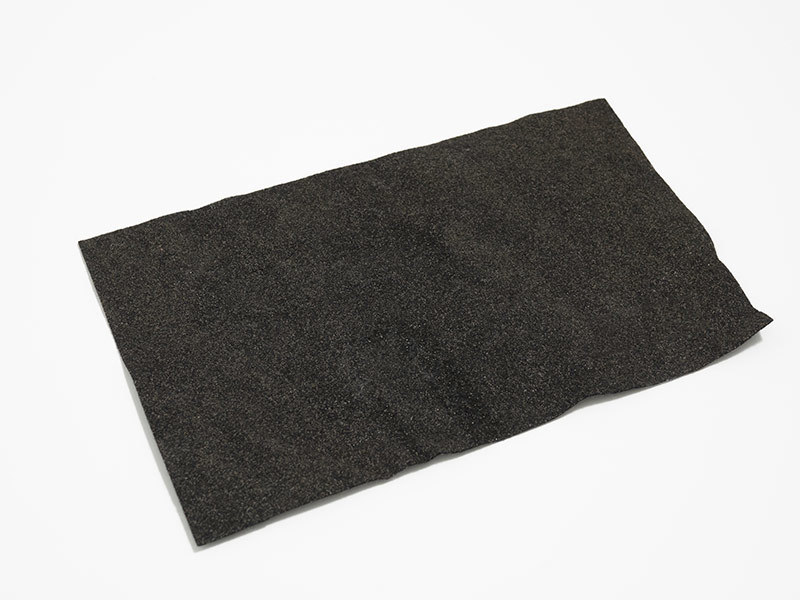
Car roof non-woven fabric is a specialized material widely used in the automotive sector, particularly for lining and insulation purposes in vehicles. Unlike traditional woven fabrics, non-woven fabrics are engineered from synthetic or natural fibers that are bonded together through various processes, including heat, chemicals, or mechanical means. This innovative construction allows non-woven fabrics to offer several advantages, making them an ideal choice for automotive applications.
One of the primary benefits of car roof non-woven fabric is its lightweight nature. This feature is crucial for automotive manufacturers seeking to enhance fuel efficiency. By reducing the overall weight of the vehicle, non-woven fabrics help improve mileage and reduce emissions, aligning with the industry’s push towards sustainability. Additionally, the lightweight aspect does not compromise the fabric's durability; instead, it often results in a resilient product that can withstand the rigors of daily use.
Another significant advantage of car roof non-woven fabric is its excellent acoustic properties. Noise reduction is a vital aspect of vehicle comfort, and non-woven fabrics can effectively dampen sound and vibrations. This characteristic makes them a preferred choice for lining car roofs, as they contribute to a quieter cabin environment, enhancing the overall driving experience for passengers. The material's ability to absorb sound waves helps in minimizing road noise, providing a serene atmosphere within the vehicle.
Moreover, car roof non-woven fabric is known for its versatility. It can be easily customized to meet specific design requirements, including various thicknesses, colors, and textures. This adaptability allows automotive designers to create aesthetically pleasing interiors while maintaining functionality. The fabric can also be treated with additional coatings to enhance its water resistance and ease of cleaning, making it suitable for various climates and conditions.
In terms of installation, non-woven fabrics are relatively easy to work with. They can be cut into precise shapes and sizes without fraying, which simplifies the manufacturing process. This ease of handling is a significant advantage for assembly line production, as it reduces time and labor costs.
In summary, car roof non-woven fabric is a remarkable material that brings together lightweight construction, acoustic benefits, versatility, and ease of installation. Its adoption in the automotive industry reflects ongoing innovations aimed at enhancing vehicle performance and passenger comfort. Whether you're involved in automotive design, manufacturing, or simply interested in textile applications, understanding the advantages of car roof non-woven fabric can provide valuable insights into its role in the modern automotive landscape.
One of the primary benefits of car roof non-woven fabric is its lightweight nature. This feature is crucial for automotive manufacturers seeking to enhance fuel efficiency. By reducing the overall weight of the vehicle, non-woven fabrics help improve mileage and reduce emissions, aligning with the industry’s push towards sustainability. Additionally, the lightweight aspect does not compromise the fabric's durability; instead, it often results in a resilient product that can withstand the rigors of daily use.
Another significant advantage of car roof non-woven fabric is its excellent acoustic properties. Noise reduction is a vital aspect of vehicle comfort, and non-woven fabrics can effectively dampen sound and vibrations. This characteristic makes them a preferred choice for lining car roofs, as they contribute to a quieter cabin environment, enhancing the overall driving experience for passengers. The material's ability to absorb sound waves helps in minimizing road noise, providing a serene atmosphere within the vehicle.
Moreover, car roof non-woven fabric is known for its versatility. It can be easily customized to meet specific design requirements, including various thicknesses, colors, and textures. This adaptability allows automotive designers to create aesthetically pleasing interiors while maintaining functionality. The fabric can also be treated with additional coatings to enhance its water resistance and ease of cleaning, making it suitable for various climates and conditions.
In terms of installation, non-woven fabrics are relatively easy to work with. They can be cut into precise shapes and sizes without fraying, which simplifies the manufacturing process. This ease of handling is a significant advantage for assembly line production, as it reduces time and labor costs.
In summary, car roof non-woven fabric is a remarkable material that brings together lightweight construction, acoustic benefits, versatility, and ease of installation. Its adoption in the automotive industry reflects ongoing innovations aimed at enhancing vehicle performance and passenger comfort. Whether you're involved in automotive design, manufacturing, or simply interested in textile applications, understanding the advantages of car roof non-woven fabric can provide valuable insights into its role in the modern automotive landscape.
Tag:
Recommended news
Unlocking the Potential of Non-Woven Customization in Textile Industry
The realm of non-woven customization presents an array of opportunities for professionals in the textile industry. Non-woven fabrics, unlike traditional woven textiles, are made by bonding fibers together through mechanical, thermal, or chemical means. This unique manufacturing process allows for a myriad of customized solutions that can cater to specific needs across various applications.
One of
Contact Information
Postcode:211400
Address:Tian'an Village, Xinji Town, Yizheng City


QR code
QR
TikTok