

-
-
-
Solution

-
-
Contact Us
Essential Insights on Car Seat Heating Pad Substrates for Enhanced Comfort
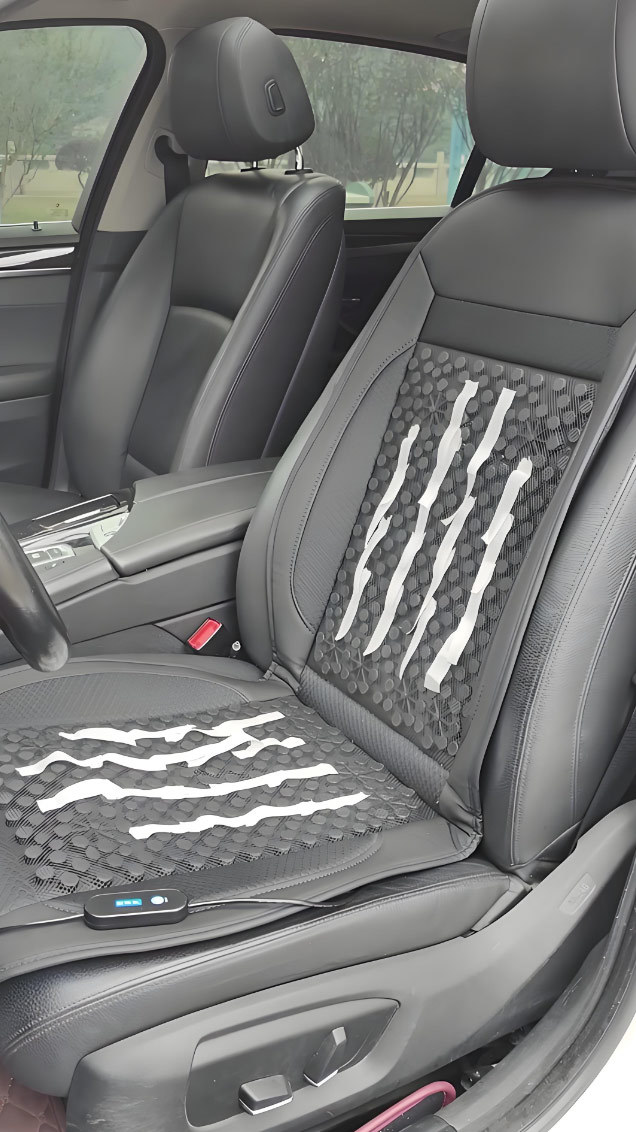
When it comes to enhancing the comfort of car seats, the choice of heating pad substrate plays a crucial role. A car seat heating pad substrate serves as the foundation upon which the heating elements are installed, making it essential for both performance and user satisfaction. This article will delve into the significance of materials used in these substrates, their properties, and how they contribute to effective heat distribution.
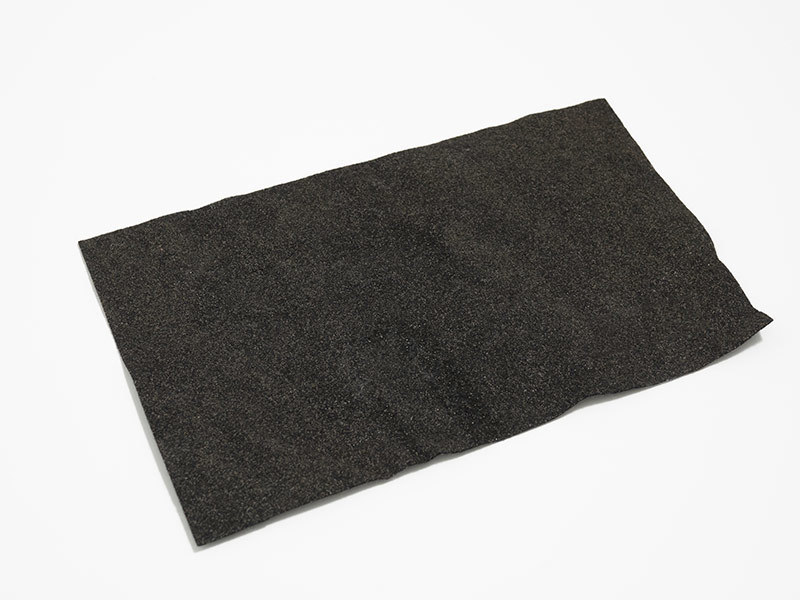
The substrate material needs to possess excellent thermal conductivity to ensure that heat is evenly distributed across the car seat. Common materials used include silicone, polyester, and specialized non-woven fabrics. These materials are chosen not only for their thermal properties but also for their durability and ease of maintenance. Non-woven fabrics, in particular, are popular due to their lightweight nature, flexibility, and ability to conform to the contours of the seat, providing a snug fit.
In addition to thermal conductivity, the substrate must also be resistant to moisture and wear. This is especially important in automotive applications where exposure to spills, humidity, and friction is common. By utilizing non-woven fabrics that exhibit resistance to such factors, manufacturers can ensure longevity and reliability in their heating pads.
Moreover, the choice of substrate impacts the overall user experience. A well-designed heating pad with an appropriate substrate will heat up quickly, providing comfort without excessive waiting time. Furthermore, it should maintain a consistent temperature, preventing overheating or cold spots, which can lead to discomfort during long drives.
Integration of safety features is another aspect influenced by the choice of substrate. High-quality substrates can incorporate insulation and protective layers that minimize the risk of electrical hazards. As safety remains a top priority in automotive design, selecting the right substrate is critical for compliance with industry standards.
Lastly, the adaptability of car seat heating pad substrates can enhance customization options. With the ability to modify the shape and size of the heating element, manufacturers can create pads that fit various car models, ensuring a tailored heating experience for users.
In conclusion, the car seat heating pad substrate is a fundamental component that significantly impacts both the functionality and comfort of heated car seats. By focusing on materials that enhance thermal conductivity, durability, moisture resistance, and safety, manufacturers can deliver a product that meets consumer expectations. Understanding these aspects will not only help in selecting the right heating pads but also in appreciating the technology that elevates your driving comfort.
The substrate material needs to possess excellent thermal conductivity to ensure that heat is evenly distributed across the car seat. Common materials used include silicone, polyester, and specialized non-woven fabrics. These materials are chosen not only for their thermal properties but also for their durability and ease of maintenance. Non-woven fabrics, in particular, are popular due to their lightweight nature, flexibility, and ability to conform to the contours of the seat, providing a snug fit.
In addition to thermal conductivity, the substrate must also be resistant to moisture and wear. This is especially important in automotive applications where exposure to spills, humidity, and friction is common. By utilizing non-woven fabrics that exhibit resistance to such factors, manufacturers can ensure longevity and reliability in their heating pads.
Moreover, the choice of substrate impacts the overall user experience. A well-designed heating pad with an appropriate substrate will heat up quickly, providing comfort without excessive waiting time. Furthermore, it should maintain a consistent temperature, preventing overheating or cold spots, which can lead to discomfort during long drives.
Integration of safety features is another aspect influenced by the choice of substrate. High-quality substrates can incorporate insulation and protective layers that minimize the risk of electrical hazards. As safety remains a top priority in automotive design, selecting the right substrate is critical for compliance with industry standards.
Lastly, the adaptability of car seat heating pad substrates can enhance customization options. With the ability to modify the shape and size of the heating element, manufacturers can create pads that fit various car models, ensuring a tailored heating experience for users.
In conclusion, the car seat heating pad substrate is a fundamental component that significantly impacts both the functionality and comfort of heated car seats. By focusing on materials that enhance thermal conductivity, durability, moisture resistance, and safety, manufacturers can deliver a product that meets consumer expectations. Understanding these aspects will not only help in selecting the right heating pads but also in appreciating the technology that elevates your driving comfort.
Tag:
Recommended news
Unlocking the Potential of Non-Woven Customization in Textile Industry
The realm of non-woven customization presents an array of opportunities for professionals in the textile industry. Non-woven fabrics, unlike traditional woven textiles, are made by bonding fibers together through mechanical, thermal, or chemical means. This unique manufacturing process allows for a myriad of customized solutions that can cater to specific needs across various applications.
One of
Contact Information
Postcode:211400
Address:Tian'an Village, Xinji Town, Yizheng City


QR code
QR
TikTok