

-
-
-
Solution

-
-
Contact Us
Exploring the Benefits of Non-Woven Fabrics in Automotive Lining Applications
In the automotive industry, the choice of materials for interior applications is crucial not only for aesthetics but also for functionality and performance. One of the materials making a significant impact is car lining non-woven fabric. These fabrics, characterized by their unique manufacturing process, offer a range of advantages that enhance the overall driving experience.
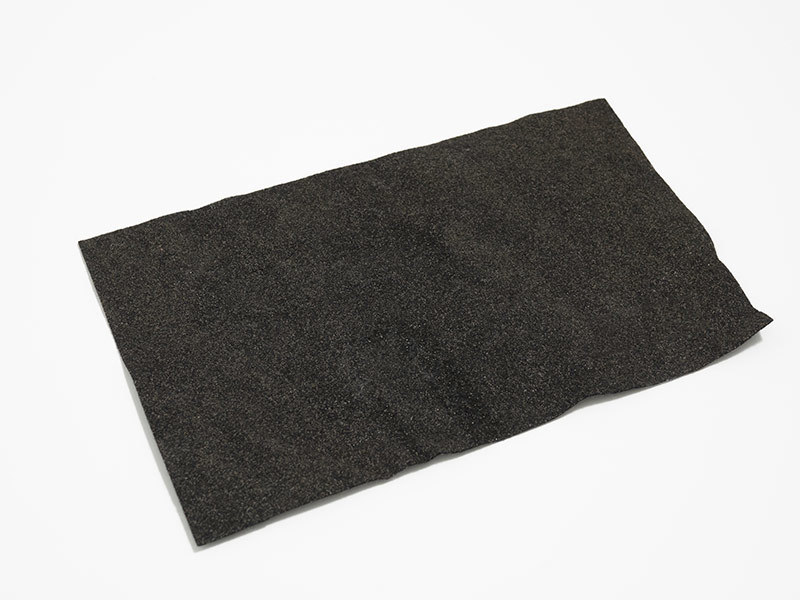
Non-woven fabrics are engineered by bonding fibers through mechanical, thermal, or chemical processes, resulting in a material that is both lightweight and durable. In the context of car lining, these fabrics serve multiple functions, including sound absorption, thermal insulation, and moisture resistance. This combination of properties is particularly beneficial in reducing cabin noise and maintaining an optimal temperature inside the vehicle.
One of the standout features of car lining non-woven fabric is its versatility. It can be produced in various thicknesses and textures, allowing for customization according to specific vehicle designs and requirements. This adaptability makes non-woven fabric a preferred choice for various interior components, such as headliners, door panels, and trunk liners.
Moreover, non-woven fabrics are often more environmentally friendly compared to traditional woven materials. Many manufacturers are increasingly adopting sustainable practices, utilizing recycled fibers in their production processes. This shift not only minimizes waste but also aligns with the automotive industry's growing emphasis on sustainability and eco-friendly practices.
Another important aspect is the ease of installation and processing of non-woven fabrics. Unlike woven materials, which may require more complex cutting and sewing techniques, non-woven fabrics can be easily cut into desired shapes without fraying. This feature simplifies the manufacturing process, reduces labor costs, and allows for quicker production times, making it an attractive option for automotive suppliers.
In terms of durability, car lining non-woven fabrics have excellent resistance to wear and tear. They can withstand the rigors of daily use, including exposure to UV light, moisture, and temperature fluctuations. This resilience ensures that the interior aesthetics of vehicles remain intact over time, enhancing customer satisfaction and vehicle resale value.
Overall, the integration of car lining non-woven fabric into automotive applications represents a forward-thinking approach to material selection. With their unique properties and benefits, these fabrics not only contribute to improved vehicle performance but also align with modern consumer preferences for sustainability and quality. As the automotive industry continues to evolve, non-woven fabrics will undoubtedly play a crucial role in shaping the future of car interiors.
Non-woven fabrics are engineered by bonding fibers through mechanical, thermal, or chemical processes, resulting in a material that is both lightweight and durable. In the context of car lining, these fabrics serve multiple functions, including sound absorption, thermal insulation, and moisture resistance. This combination of properties is particularly beneficial in reducing cabin noise and maintaining an optimal temperature inside the vehicle.
One of the standout features of car lining non-woven fabric is its versatility. It can be produced in various thicknesses and textures, allowing for customization according to specific vehicle designs and requirements. This adaptability makes non-woven fabric a preferred choice for various interior components, such as headliners, door panels, and trunk liners.
Moreover, non-woven fabrics are often more environmentally friendly compared to traditional woven materials. Many manufacturers are increasingly adopting sustainable practices, utilizing recycled fibers in their production processes. This shift not only minimizes waste but also aligns with the automotive industry's growing emphasis on sustainability and eco-friendly practices.
Another important aspect is the ease of installation and processing of non-woven fabrics. Unlike woven materials, which may require more complex cutting and sewing techniques, non-woven fabrics can be easily cut into desired shapes without fraying. This feature simplifies the manufacturing process, reduces labor costs, and allows for quicker production times, making it an attractive option for automotive suppliers.
In terms of durability, car lining non-woven fabrics have excellent resistance to wear and tear. They can withstand the rigors of daily use, including exposure to UV light, moisture, and temperature fluctuations. This resilience ensures that the interior aesthetics of vehicles remain intact over time, enhancing customer satisfaction and vehicle resale value.
Overall, the integration of car lining non-woven fabric into automotive applications represents a forward-thinking approach to material selection. With their unique properties and benefits, these fabrics not only contribute to improved vehicle performance but also align with modern consumer preferences for sustainability and quality. As the automotive industry continues to evolve, non-woven fabrics will undoubtedly play a crucial role in shaping the future of car interiors.
Tag:
Recommended news
Unlocking the Potential of Non-Woven Customization in Textile Industry
The realm of non-woven customization presents an array of opportunities for professionals in the textile industry. Non-woven fabrics, unlike traditional woven textiles, are made by bonding fibers together through mechanical, thermal, or chemical means. This unique manufacturing process allows for a myriad of customized solutions that can cater to specific needs across various applications.
One of
Contact Information
Postcode:211400
Address:Tian'an Village, Xinji Town, Yizheng City


QR code
QR
TikTok