

-
-
-
Solution

-
-
Contact Us
The Versatility and Benefits of Car Roof Non-Woven Fabric
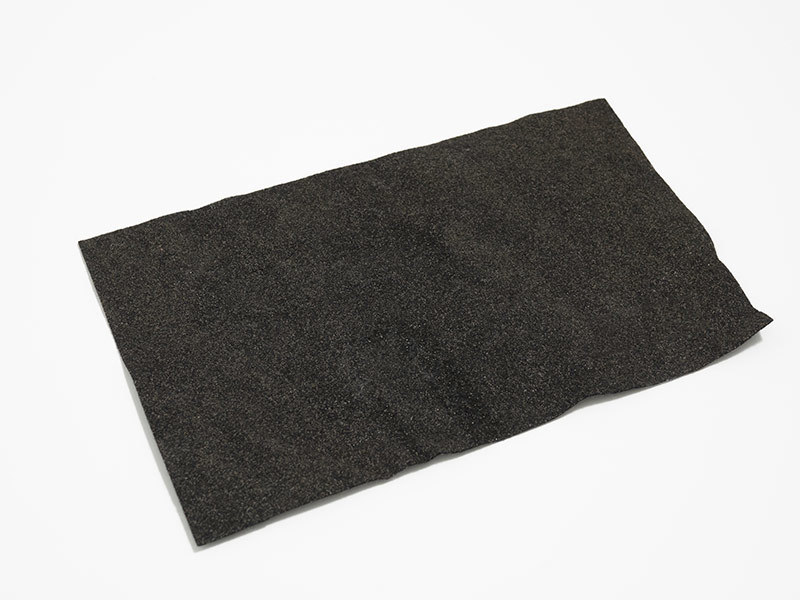
Car roof non-woven fabric has become increasingly popular in the automotive industry due to its unique properties and numerous benefits. This innovative material is crafted through a process that involves bonding fibers together without weaving, resulting in a lightweight yet robust fabric ideal for automotive applications. In this article, we will delve into the key advantages of using non-woven fabric for car roofs and why it’s an excellent choice for manufacturers and consumers alike.
One of the most significant benefits of car roof non-woven fabric is its exceptional durability. Unlike traditional fabrics, non-woven materials are engineered to withstand wear and tear, making them suitable for the dynamic environment within a vehicle. The fabric’s resilience ensures that it retains its shape and functionality over time, even when subjected to various temperature fluctuations and humidity levels. This longevity is crucial for automotive manufacturers looking to create reliable and long-lasting products.
In addition to durability, car roof non-woven fabric offers excellent sound insulation properties. The structure of non-woven materials allows them to absorb sound effectively, reducing noise levels within the cabin. This feature enhances the overall driving experience, providing a quieter and more comfortable ride for passengers. For those who prioritize a serene driving environment, selecting non-woven fabric for car roofs can significantly contribute to achieving that goal.
Another noteworthy aspect of car roof non-woven fabric is its lightweight nature. This characteristic is essential in the automotive industry, where minimizing vehicle weight can lead to improved fuel efficiency and reduced emissions. By incorporating lightweight non-woven materials into car roofs, manufacturers can enhance the performance of their vehicles while also adhering to industry regulations aimed at promoting sustainability.
Moreover, car roof non-woven fabric is versatile and can be produced in various colors, textures, and patterns. This adaptability allows automotive designers to achieve the desired aesthetic appeal while maintaining functionality. The availability of customizable options ensures that car roof non-woven fabrics can meet specific design requirements, making them a favored choice for many vehicle manufacturers.
In conclusion, car roof non-woven fabric stands out as a superior material in the automotive sector due to its durability, sound insulation, and lightweight properties. By choosing non-woven fabrics, manufacturers can enhance vehicle performance and comfort while also providing consumers with a product that meets modern standards of efficiency and style. As the automotive industry continues to evolve, the significance of non-woven fabric for car roofs will undoubtedly grow, solidifying its place as a fundamental component in vehicle design and production.
One of the most significant benefits of car roof non-woven fabric is its exceptional durability. Unlike traditional fabrics, non-woven materials are engineered to withstand wear and tear, making them suitable for the dynamic environment within a vehicle. The fabric’s resilience ensures that it retains its shape and functionality over time, even when subjected to various temperature fluctuations and humidity levels. This longevity is crucial for automotive manufacturers looking to create reliable and long-lasting products.
In addition to durability, car roof non-woven fabric offers excellent sound insulation properties. The structure of non-woven materials allows them to absorb sound effectively, reducing noise levels within the cabin. This feature enhances the overall driving experience, providing a quieter and more comfortable ride for passengers. For those who prioritize a serene driving environment, selecting non-woven fabric for car roofs can significantly contribute to achieving that goal.
Another noteworthy aspect of car roof non-woven fabric is its lightweight nature. This characteristic is essential in the automotive industry, where minimizing vehicle weight can lead to improved fuel efficiency and reduced emissions. By incorporating lightweight non-woven materials into car roofs, manufacturers can enhance the performance of their vehicles while also adhering to industry regulations aimed at promoting sustainability.
Moreover, car roof non-woven fabric is versatile and can be produced in various colors, textures, and patterns. This adaptability allows automotive designers to achieve the desired aesthetic appeal while maintaining functionality. The availability of customizable options ensures that car roof non-woven fabrics can meet specific design requirements, making them a favored choice for many vehicle manufacturers.
In conclusion, car roof non-woven fabric stands out as a superior material in the automotive sector due to its durability, sound insulation, and lightweight properties. By choosing non-woven fabrics, manufacturers can enhance vehicle performance and comfort while also providing consumers with a product that meets modern standards of efficiency and style. As the automotive industry continues to evolve, the significance of non-woven fabric for car roofs will undoubtedly grow, solidifying its place as a fundamental component in vehicle design and production.
Tag:
Previous page
Recommended news
Unlocking the Potential of Non-Woven Customization in Textile Industry
The realm of non-woven customization presents an array of opportunities for professionals in the textile industry. Non-woven fabrics, unlike traditional woven textiles, are made by bonding fibers together through mechanical, thermal, or chemical means. This unique manufacturing process allows for a myriad of customized solutions that can cater to specific needs across various applications.
One of
Contact Information
Postcode:211400
Address:Tian'an Village, Xinji Town, Yizheng City


QR code
QR
TikTok