

-
-
-
Solution

-
-
Contact Us
Exploring the Versatility of Car Lining Non-Woven Fabric
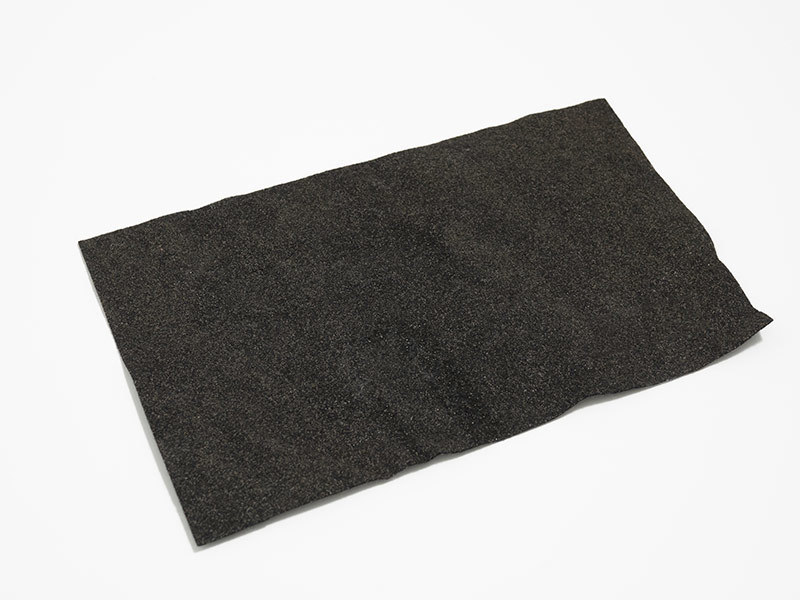
Car lining non-woven fabric is gaining prominence in the automotive sector due to its unique properties and versatility. Unlike traditional woven fabrics, non-woven fabrics are made by bonding fibers together through chemical, mechanical, or thermal processes. This results in a durable material that offers several advantages for automotive applications.
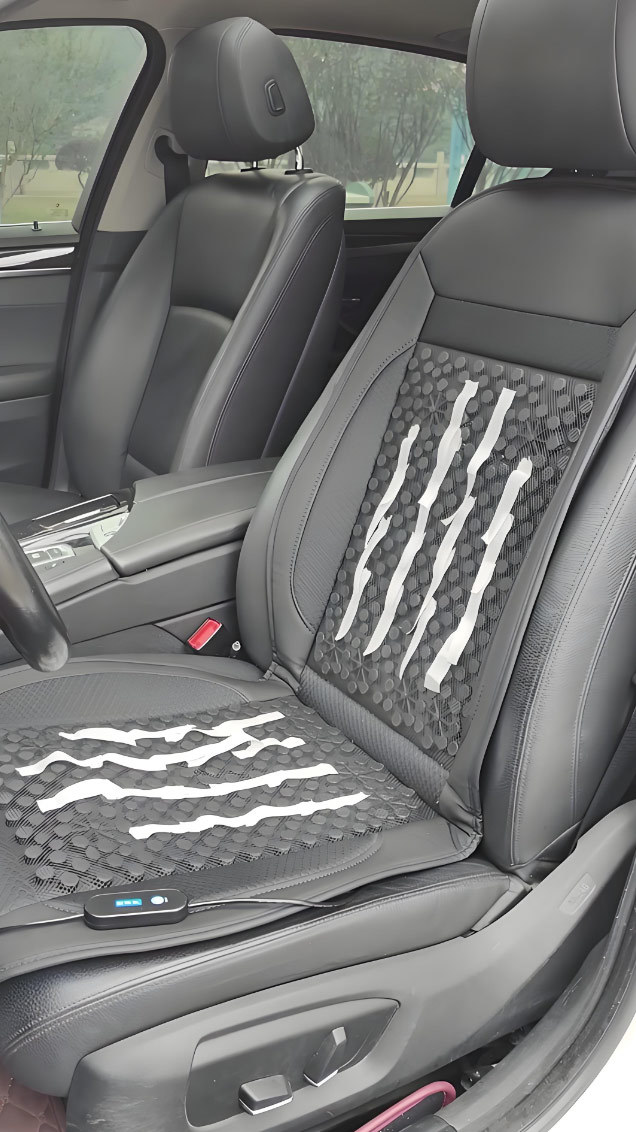
One of the primary uses of car lining non-woven fabric is in vehicle interiors. It is commonly used for headliners, door panels, and seat backs. The lightweight nature of non-woven fabric makes it an ideal choice for reducing the overall weight of vehicles, which can contribute to improved fuel efficiency. Additionally, these fabrics can be engineered to provide sound absorption, enhancing the overall comfort of the ride by minimizing road noise.
Moreover, car lining non-woven fabric can be produced with a variety of textures and finishes, allowing for customization in automotive design. Manufacturers can create fabrics that mimic the appearance of leather or provide a soft-touch feel, thereby enhancing the luxury of the vehicle's interior. This aesthetic appeal is crucial, as consumers increasingly seek vehicles that not only perform well but also look and feel good.
Sustainability is another important aspect of car lining non-woven fabric. With growing concerns over environmental impact, many manufacturers are exploring the use of recycled materials in their non-woven products. This approach not only helps in minimizing waste but also caters to the increasing demand for eco-friendly automotive solutions. Additionally, non-woven fabrics can be designed to be biodegradable, further reducing their environmental footprint.
The manufacturing process of car lining non-woven fabric can also be tailored to meet specific performance requirements. For instance, treatments can be applied to enhance properties such as water resistance, fire retardancy, and UV protection. These enhancements make non-woven fabrics suitable for a wide range of applications beyond just vehicle interiors, extending their utility to areas like insulation and protective coverings.
In summary, car lining non-woven fabric represents a significant advancement in automotive textiles. Its combination of lightweight properties, design flexibility, and potential for sustainability makes it a valuable material in the industry. As the automotive sector continues to evolve, the role of non-woven fabrics is likely to expand, offering innovative solutions for manufacturers and consumers alike. By understanding the benefits and applications of car lining non-woven fabric, businesses can better cater to the needs of the modern automotive market.
One of the primary uses of car lining non-woven fabric is in vehicle interiors. It is commonly used for headliners, door panels, and seat backs. The lightweight nature of non-woven fabric makes it an ideal choice for reducing the overall weight of vehicles, which can contribute to improved fuel efficiency. Additionally, these fabrics can be engineered to provide sound absorption, enhancing the overall comfort of the ride by minimizing road noise.
Moreover, car lining non-woven fabric can be produced with a variety of textures and finishes, allowing for customization in automotive design. Manufacturers can create fabrics that mimic the appearance of leather or provide a soft-touch feel, thereby enhancing the luxury of the vehicle's interior. This aesthetic appeal is crucial, as consumers increasingly seek vehicles that not only perform well but also look and feel good.
Sustainability is another important aspect of car lining non-woven fabric. With growing concerns over environmental impact, many manufacturers are exploring the use of recycled materials in their non-woven products. This approach not only helps in minimizing waste but also caters to the increasing demand for eco-friendly automotive solutions. Additionally, non-woven fabrics can be designed to be biodegradable, further reducing their environmental footprint.
The manufacturing process of car lining non-woven fabric can also be tailored to meet specific performance requirements. For instance, treatments can be applied to enhance properties such as water resistance, fire retardancy, and UV protection. These enhancements make non-woven fabrics suitable for a wide range of applications beyond just vehicle interiors, extending their utility to areas like insulation and protective coverings.
In summary, car lining non-woven fabric represents a significant advancement in automotive textiles. Its combination of lightweight properties, design flexibility, and potential for sustainability makes it a valuable material in the industry. As the automotive sector continues to evolve, the role of non-woven fabrics is likely to expand, offering innovative solutions for manufacturers and consumers alike. By understanding the benefits and applications of car lining non-woven fabric, businesses can better cater to the needs of the modern automotive market.
Tag:
Recommended news
Unlocking the Potential of Non-Woven Customization in Textile Industry
The realm of non-woven customization presents an array of opportunities for professionals in the textile industry. Non-woven fabrics, unlike traditional woven textiles, are made by bonding fibers together through mechanical, thermal, or chemical means. This unique manufacturing process allows for a myriad of customized solutions that can cater to specific needs across various applications.
One of
Contact Information
Postcode:211400
Address:Tian'an Village, Xinji Town, Yizheng City


QR code
QR
TikTok