

-
-
-
Solution

-
-
Contact Us
Exploring the Versatility of Shapeable Nonwoven Fabric in Modern Textiles
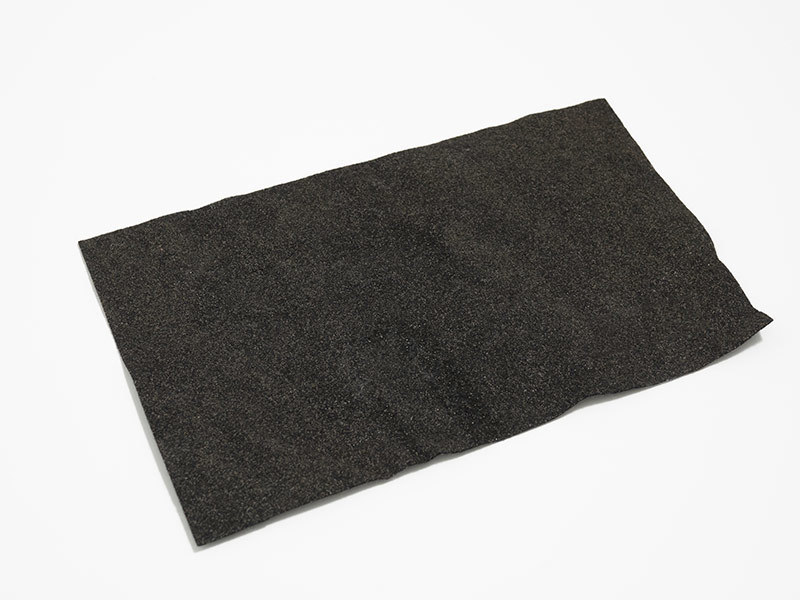
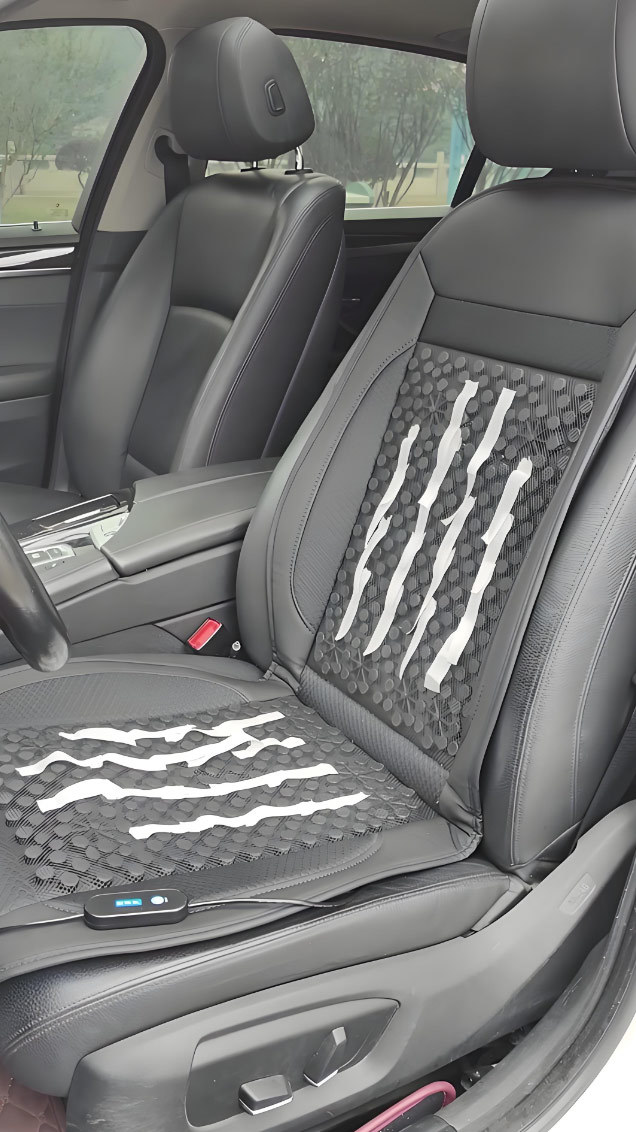
Shapeable nonwoven fabric is an innovative textile material that offers a range of unique features and capabilities. Unlike traditional woven fabrics, nonwoven fabrics are created through a process that binds fibers together, allowing for a more versatile and flexible final product. This characteristic makes shapeable nonwoven fabric particularly advantageous in multiple industries, including automotive, home textiles, and medical applications.
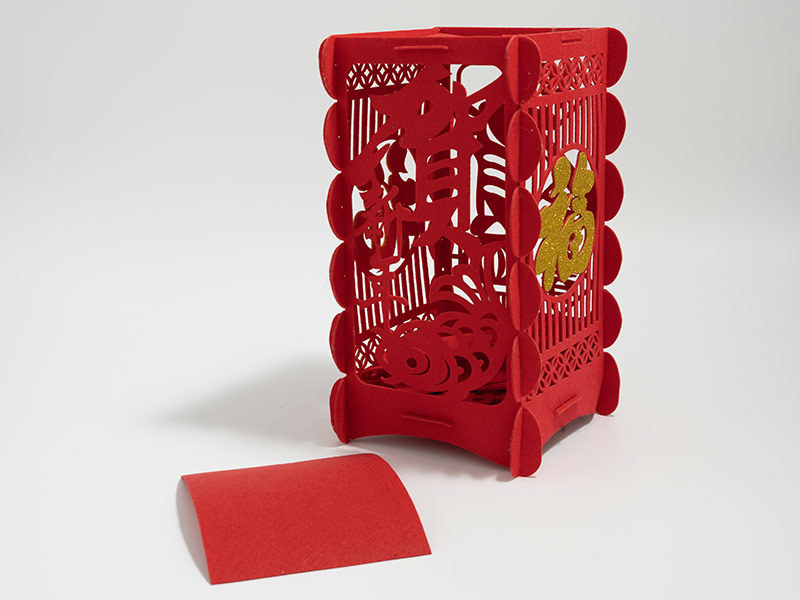
One of the key benefits of shapeable nonwoven fabric is its ability to maintain a specific shape while remaining lightweight and durable. This property is essential in applications where form stability is required, such as in the production of ergonomic supports, protective equipment, and even fashion items. The adaptability of these fabrics means they can be easily molded into various shapes and designs, making them ideal for custom applications that demand both functionality and aesthetic appeal.
Additionally, shapeable nonwoven fabric exhibits excellent breathability and moisture-wicking properties. This is particularly beneficial in applications such as activewear and personal protective equipment, where comfort and performance are paramount. The ability to manage moisture effectively can enhance user experience and prolong the lifespan of the products made from this fabric.
Moreover, the manufacturing process of shapeable nonwoven fabrics allows for a variety of textures and thicknesses, catering to diverse needs across different sectors. This versatility is a significant advantage for designers and manufacturers looking to innovate and create products that stand out in the market. From soft and pliable fabrics suitable for fashion accessories to sturdier versions for industrial applications, the possibilities are virtually endless.
Another critical consideration is the environmental impact of shapeable nonwoven fabrics. Many of these materials are created from recycled fibers or biodegradable substances, making them a more sustainable choice compared to traditional textiles. This eco-friendly aspect is increasingly important as consumers demand more sustainable options in their purchasing decisions.
In summary, shapeable nonwoven fabric represents a significant advancement in the textile industry, offering numerous benefits that can be leveraged across various applications. Its unique combination of shape retention, breathability, and eco-friendliness positions it as a material of choice for innovative designers and manufacturers. As the industry continues to evolve, the potential applications of shapeable nonwoven fabric will likely expand, providing further opportunities for growth and creativity in the textile market. Professionals in the field are encouraged to explore this exciting material and its potential to enhance their product offerings.
One of the key benefits of shapeable nonwoven fabric is its ability to maintain a specific shape while remaining lightweight and durable. This property is essential in applications where form stability is required, such as in the production of ergonomic supports, protective equipment, and even fashion items. The adaptability of these fabrics means they can be easily molded into various shapes and designs, making them ideal for custom applications that demand both functionality and aesthetic appeal.
Additionally, shapeable nonwoven fabric exhibits excellent breathability and moisture-wicking properties. This is particularly beneficial in applications such as activewear and personal protective equipment, where comfort and performance are paramount. The ability to manage moisture effectively can enhance user experience and prolong the lifespan of the products made from this fabric.
Moreover, the manufacturing process of shapeable nonwoven fabrics allows for a variety of textures and thicknesses, catering to diverse needs across different sectors. This versatility is a significant advantage for designers and manufacturers looking to innovate and create products that stand out in the market. From soft and pliable fabrics suitable for fashion accessories to sturdier versions for industrial applications, the possibilities are virtually endless.
Another critical consideration is the environmental impact of shapeable nonwoven fabrics. Many of these materials are created from recycled fibers or biodegradable substances, making them a more sustainable choice compared to traditional textiles. This eco-friendly aspect is increasingly important as consumers demand more sustainable options in their purchasing decisions.
In summary, shapeable nonwoven fabric represents a significant advancement in the textile industry, offering numerous benefits that can be leveraged across various applications. Its unique combination of shape retention, breathability, and eco-friendliness positions it as a material of choice for innovative designers and manufacturers. As the industry continues to evolve, the potential applications of shapeable nonwoven fabric will likely expand, providing further opportunities for growth and creativity in the textile market. Professionals in the field are encouraged to explore this exciting material and its potential to enhance their product offerings.
Tag:
Recommended news
Unlocking the Potential of Non-Woven Customization in Textile Industry
The realm of non-woven customization presents an array of opportunities for professionals in the textile industry. Non-woven fabrics, unlike traditional woven textiles, are made by bonding fibers together through mechanical, thermal, or chemical means. This unique manufacturing process allows for a myriad of customized solutions that can cater to specific needs across various applications.
One of
Contact Information
Postcode:211400
Address:Tian'an Village, Xinji Town, Yizheng City


QR code
QR
TikTok