

-
-
-
Solution

-
-
Contact Us
The Comprehensive Guide to the Manufacturing Process of Non-Woven Fabric for Car Lining Applications
The Comprehensive Guide to the Manufacturing Process of Non-Woven Fabric for Car Lining Applications
Table of Contents
- 1. Introduction to Non-Woven Fabric
- 2. Importance of Non-Woven Fabric in Automotive Applications
- 3. Key Materials Used in Non-Woven Fabric Manufacturing
- 4. The Manufacturing Process of Non-Woven Fabric
- 5. Applications of Non-Woven Fabric in Car Lining
- 6. Future Trends in Non-Woven Fabric Manufacturing
- 7. Frequently Asked Questions
- 8. Conclusion
1. Introduction to Non-Woven Fabric
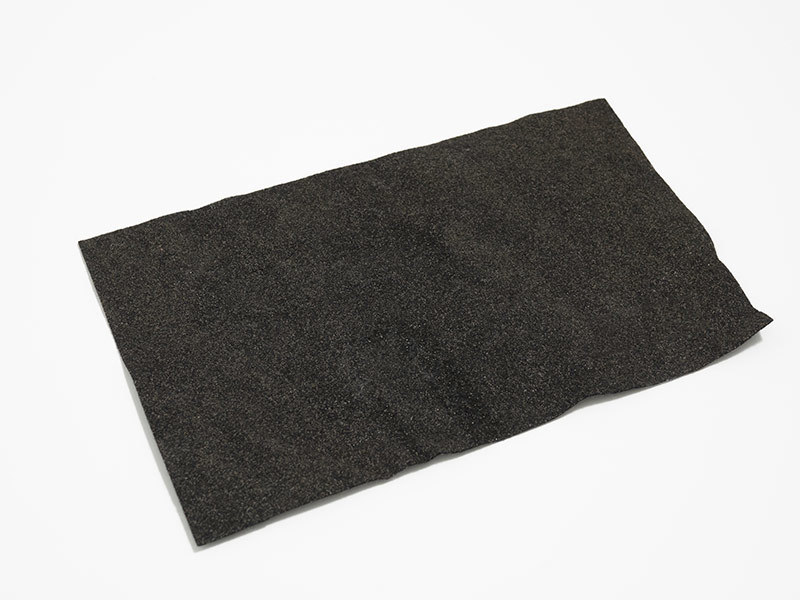
Non-woven fabric is a versatile textile material that has gained considerable traction in the automotive industry. Unlike traditional woven fabrics, non-woven fabrics are made by bonding fibers together using various methods, rather than weaving them. This process yields materials that are lightweight, durable, and suitable for a myriad of applications, especially in car interiors.
2. Importance of Non-Woven Fabric in Automotive Applications
The automotive industry demands materials that provide both functionality and aesthetic appeal. Non-woven fabrics are increasingly used for car linings due to their excellent properties, including sound absorption, thermal insulation, and resistance to wear and tear. These characteristics make them ideal for enhancing vehicle comfort and performance.
3. Key Materials Used in Non-Woven Fabric Manufacturing
The manufacturing of non-woven fabrics involves a variety of materials, each selected for its specific properties. The primary materials include:
3.1. Synthetic Fibers
Synthetic fibers such as polypropylene, polyester, and nylon are predominantly used due to their strength and durability. These fibers can withstand harsh environmental conditions, making them suitable for automotive applications.
3.2. Natural Fibers
Natural fibers like cotton and hemp are also utilized for their eco-friendliness and biodegradability. They offer comfort and breathability, making them a popular choice for certain interior applications.
3.3. Additives and Chemicals
Various additives, including flame retardants and colorants, are incorporated into the non-woven fabric manufacturing process. These enhance the fabric's performance characteristics, ensuring it meets the stringent safety and aesthetic standards of automotive applications.
4. The Manufacturing Process of Non-Woven Fabric
The manufacturing process of non-woven fabric involves several critical steps. Here, we will detail the stages involved, ensuring a comprehensive understanding of how non-woven fabric is produced.
4.1. Fiber Selection
The first step in manufacturing non-woven fabric is fiber selection. Manufacturers choose appropriate fibers based on the desired properties of the final product. Synthetic fibers are often favored for their durability, while natural fibers may be selected for eco-friendliness.
4.2. Web Formation Techniques
Once the fibers are selected, they undergo a web formation process. This can be achieved through several methods:
4.2.1. Dry Laid Method
In the dry laid method, fibers are mechanically opened and laid onto a conveyor belt to form a web. This technique is favored for its efficiency and ability to produce lightweight fabrics.
4.2.2. Wet Laid Method
The wet laid method involves dispersing fibers in water to create a slurry, which is then deposited onto a screen. This process yields a finer, more uniform fabric, often used in high-quality applications.
4.2.3. Spunbond Method
In this method, thermoplastic polymers are melted and spun into continuous filaments, which are then laid into a web. This technique results in strong, durable fabrics ideal for automotive use.
4.3. Bonding Methods
After the web formation, the next step is bonding. This process solidifies the fibers and enhances the strength of the fabric. The primary bonding techniques include:
4.3.1. Thermal Bonding
Thermal bonding uses heat to fuse the fibers together. This method is efficient and widely used, particularly for synthetic fibers.
4.3.2. Chemical Bonding
Chemical bonding involves applying adhesives to the fabric, which then cures and holds the fibers together. This method is often used for specific applications where additional strength is required.
4.3.3. Mechanical Bonding
Mechanical bonding employs needle punching or other physical methods to entangle the fibers. This technique provides a unique texture and enhances the fabric's durability.
4.4. Finishing Processes
The final stage in the manufacturing process involves finishing treatments. These can include dyeing, coating, and treating the fabric to enhance its performance characteristics, such as water resistance or UV protection. The finishing process is crucial in achieving the desired aesthetic and functional properties for automotive applications.
5. Applications of Non-Woven Fabric in Car Lining
Non-woven fabrics have a wide range of applications in car lining, owing to their unique properties. Some of the most common applications include:
5.1. Soundproofing Materials
Non-woven fabrics are extensively used as soundproofing materials in vehicles. Their ability to absorb and dampen sound makes them essential for enhancing passenger comfort and reducing road noise.
5.2. Insulation Materials
In addition to soundproofing, non-woven fabrics serve as thermal insulation materials. They help maintain a comfortable temperature inside the vehicle, making them ideal for use in roofs, doors, and floors.
5.3. Upholstery and Interior Linings
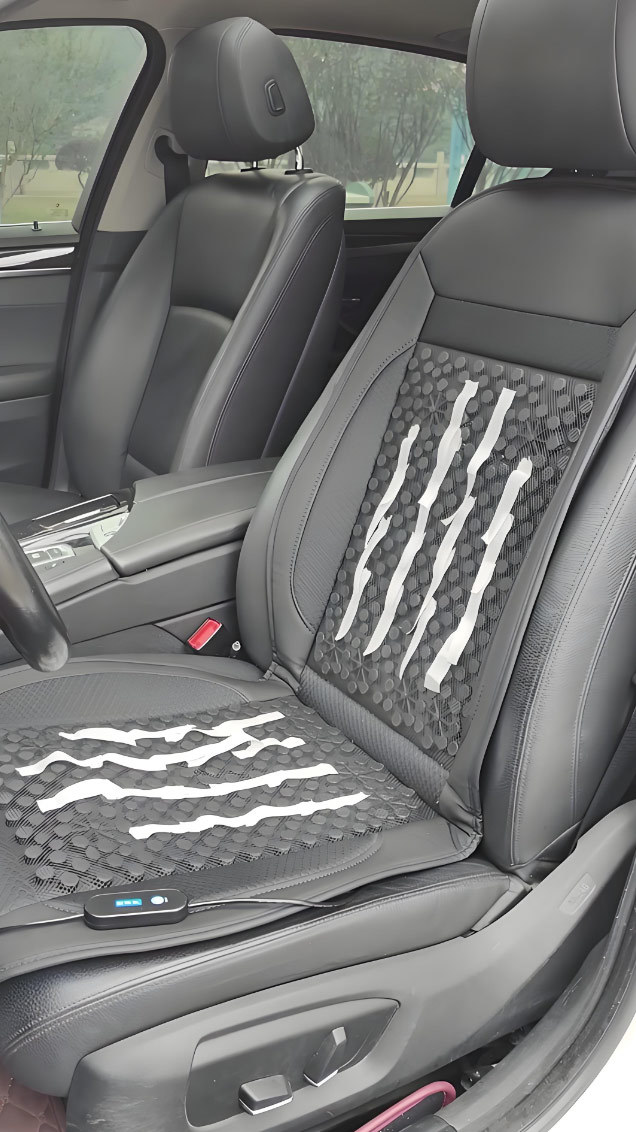
The automotive upholstery industry leverages non-woven fabrics for seat covers and interior linings. Their durability and aesthetic appeal make them a preferred choice for enhancing the overall look and feel of the vehicle.
5.4. Partition and Trunk Linings
Non-woven fabrics are also used for partitioning and trunk lining applications. Their lightweight nature and flexibility make them suitable for various vehicle designs.
6. Future Trends in Non-Woven Fabric Manufacturing
As the automotive industry evolves, so does the demand for advanced non-woven fabrics. Future trends in non-woven fabric manufacturing for car lining applications include:
6.1. Sustainable Practices
With increasing awareness of environmental issues, manufacturers are focusing on sustainable practices. This includes using biodegradable materials and implementing eco-friendly manufacturing processes.
6.2. Smart Fabrics
The emergence of smart fabrics that respond to environmental stimuli is a growing trend. These innovative materials can enhance vehicle functionality, such as temperature regulation and integrated sensors for added safety.
6.3. Enhanced Performance Features
Future non-woven fabrics will likely incorporate enhanced performance features, including improved sound and thermal insulation properties, making them even more valuable in automotive applications.
7. Frequently Asked Questions
7.1. What is non-woven fabric?
Non-woven fabric is a textile material created by bonding fibers together, rather than weaving them. It is widely used in various applications, including automotive interiors.
7.2. Why is non-woven fabric used in car linings?
Non-woven fabric is used in car linings for its lightweight, durable, and sound-absorbing properties, which enhance passenger comfort and vehicle performance.
7.3. What materials are commonly used in non-woven fabric manufacturing?
Common materials include synthetic fibers like polypropylene and polyester, as well as natural fibers like cotton and hemp.
7.4. How is non-woven fabric manufactured?
The manufacturing process involves fiber selection, web formation, bonding, and finishing processes, each contributing to the final product's quality.
7.5. What are the future trends in non-woven fabric for automotive applications?
Future trends include sustainable manufacturing practices, the development of smart fabrics, and enhanced performance features for improved vehicle functionality.
8. Conclusion
The process of manufacturing non-woven fabric for car lining applications is a sophisticated blend of science and technology. From fiber selection to the final finishing touches, each step plays a pivotal role in creating high-quality materials that enhance vehicle performance and comfort. As the automotive industry continues to evolve, non-woven fabrics will undoubtedly lead the way in innovation and sustainability, making them an essential component of modern vehicle design. By understanding this manufacturing process, industry professionals can better appreciate the value these materials bring to the automotive sector.
Tag:
Recommended news
Unlocking the Potential of Non-Woven Customization in Textile Industry
The realm of non-woven customization presents an array of opportunities for professionals in the textile industry. Non-woven fabrics, unlike traditional woven textiles, are made by bonding fibers together through mechanical, thermal, or chemical means. This unique manufacturing process allows for a myriad of customized solutions that can cater to specific needs across various applications.
One of
Contact Information
Postcode:211400
Address:Tian'an Village, Xinji Town, Yizheng City


QR code
QR
TikTok