

-
-
-
Solution

-
-
Contact Us
Exploring the Versatility of Shapeable Nonwoven Fabric: Innovations in Textile Applications
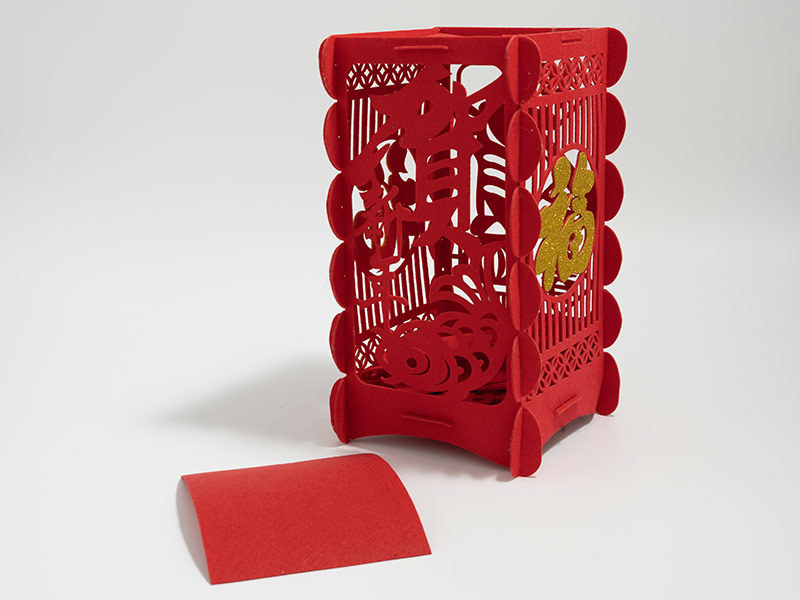
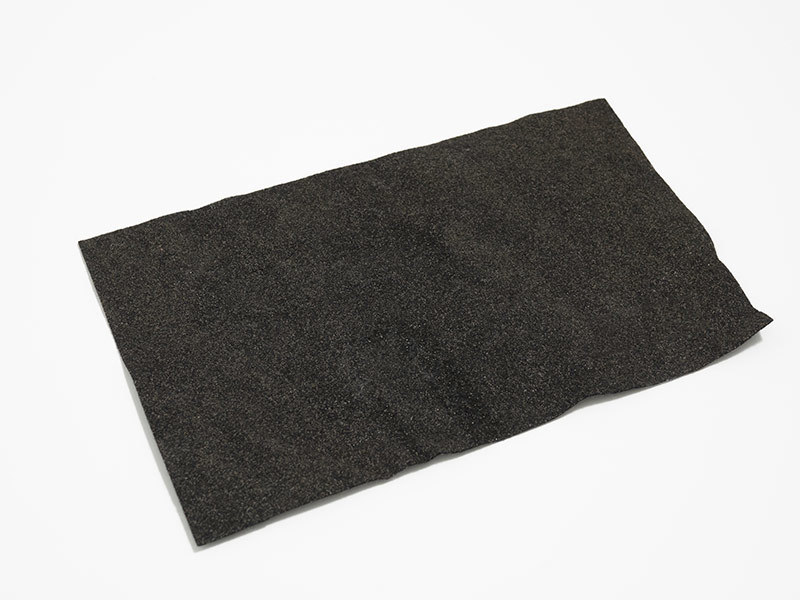
Shapeable nonwoven fabric is an innovative material that has gained significant attention in the textile industry due to its versatility and unique properties. Unlike traditional woven fabrics, nonwoven fabrics are constructed by bonding fibers together through mechanical, thermal, or chemical processes. This results in a fabric that is not only lightweight but also offers shape retention and flexibility, making it suitable for a wide range of applications.
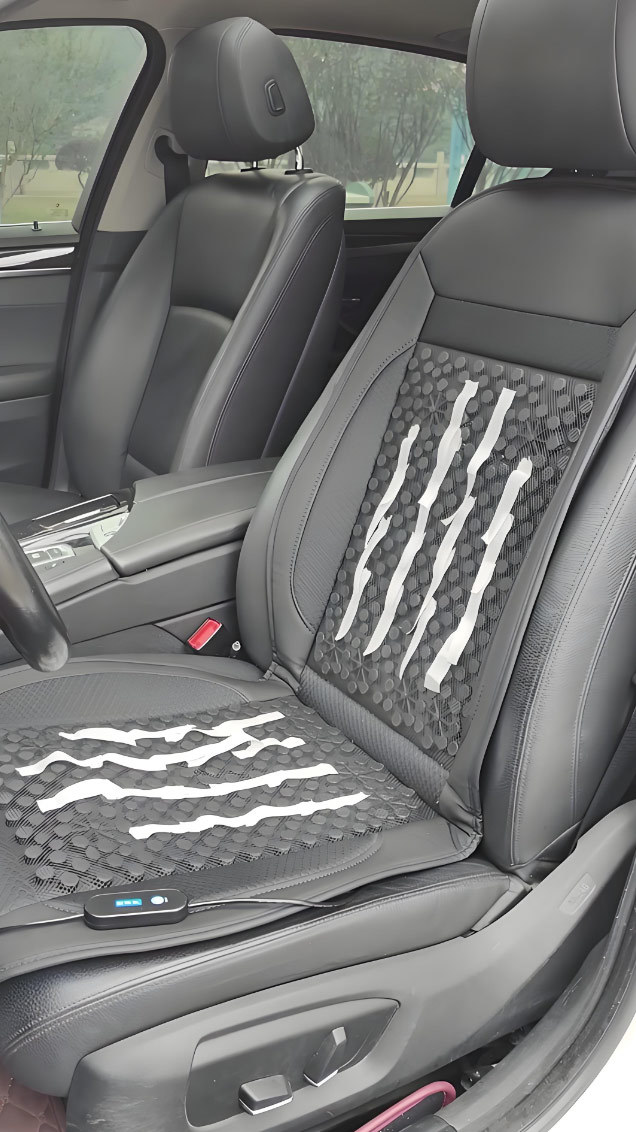
One of the standout features of shapeable nonwoven fabric is its ability to be molded into various forms. This characteristic is particularly beneficial in industries such as automotive, healthcare, and fashion, where tailored shapes and designs are crucial. For instance, in the automotive sector, shapeable nonwoven fabric can be used for interior linings and soundproofing materials, providing both aesthetic and functional advantages. Its moldability allows manufacturers to create components that fit precisely, enhancing the overall quality of the finished product.
In healthcare, shapeable nonwoven fabric is utilized in various medical applications, including surgical drapes, gowns, and wound dressings. The fabric's breathability, along with its capacity to conform to different shapes, ensures comfort and protection for patients. Furthermore, the ability to customize the fabric for specific uses, such as antimicrobial treatments, makes it a valuable material in maintaining hygiene standards in medical environments.
The fashion industry has also begun to embrace shapeable nonwoven fabric, using it to create unique garments and accessories. Designers appreciate its ability to hold shapes, allowing for innovative silhouettes that challenge traditional fabric limitations. The lightweight nature of nonwoven materials facilitates layering and movement, making it a popular choice for contemporary apparel.
Beyond these applications, shapeable nonwoven fabric is also a sustainable choice for manufacturers. Many of these fabrics are made from recycled materials, contributing to eco-friendly practices within the textile industry. Additionally, their production often involves less water and energy compared to conventional textile manufacturing processes.
In summary, shapeable nonwoven fabric represents a significant advancement in textile technology, offering a range of possibilities across various industries. Its combination of flexibility, moldability, and sustainability makes it an attractive option for manufacturers looking to innovate and improve product performance. As the demand for versatile and functional materials continues to grow, shapeable nonwoven fabric is poised to play a pivotal role in shaping the future of textiles.
One of the standout features of shapeable nonwoven fabric is its ability to be molded into various forms. This characteristic is particularly beneficial in industries such as automotive, healthcare, and fashion, where tailored shapes and designs are crucial. For instance, in the automotive sector, shapeable nonwoven fabric can be used for interior linings and soundproofing materials, providing both aesthetic and functional advantages. Its moldability allows manufacturers to create components that fit precisely, enhancing the overall quality of the finished product.
In healthcare, shapeable nonwoven fabric is utilized in various medical applications, including surgical drapes, gowns, and wound dressings. The fabric's breathability, along with its capacity to conform to different shapes, ensures comfort and protection for patients. Furthermore, the ability to customize the fabric for specific uses, such as antimicrobial treatments, makes it a valuable material in maintaining hygiene standards in medical environments.
The fashion industry has also begun to embrace shapeable nonwoven fabric, using it to create unique garments and accessories. Designers appreciate its ability to hold shapes, allowing for innovative silhouettes that challenge traditional fabric limitations. The lightweight nature of nonwoven materials facilitates layering and movement, making it a popular choice for contemporary apparel.
Beyond these applications, shapeable nonwoven fabric is also a sustainable choice for manufacturers. Many of these fabrics are made from recycled materials, contributing to eco-friendly practices within the textile industry. Additionally, their production often involves less water and energy compared to conventional textile manufacturing processes.
In summary, shapeable nonwoven fabric represents a significant advancement in textile technology, offering a range of possibilities across various industries. Its combination of flexibility, moldability, and sustainability makes it an attractive option for manufacturers looking to innovate and improve product performance. As the demand for versatile and functional materials continues to grow, shapeable nonwoven fabric is poised to play a pivotal role in shaping the future of textiles.
Tag:
Recommended news
Unlocking the Potential of Non-Woven Customization in Textile Industry
The realm of non-woven customization presents an array of opportunities for professionals in the textile industry. Non-woven fabrics, unlike traditional woven textiles, are made by bonding fibers together through mechanical, thermal, or chemical means. This unique manufacturing process allows for a myriad of customized solutions that can cater to specific needs across various applications.
One of
Contact Information
Postcode:211400
Address:Tian'an Village, Xinji Town, Yizheng City


QR code
QR
TikTok