

-
-
-
Solution

-
-
Contact Us
Exploring the Versatility of Nonwoven Shoe Insole Material
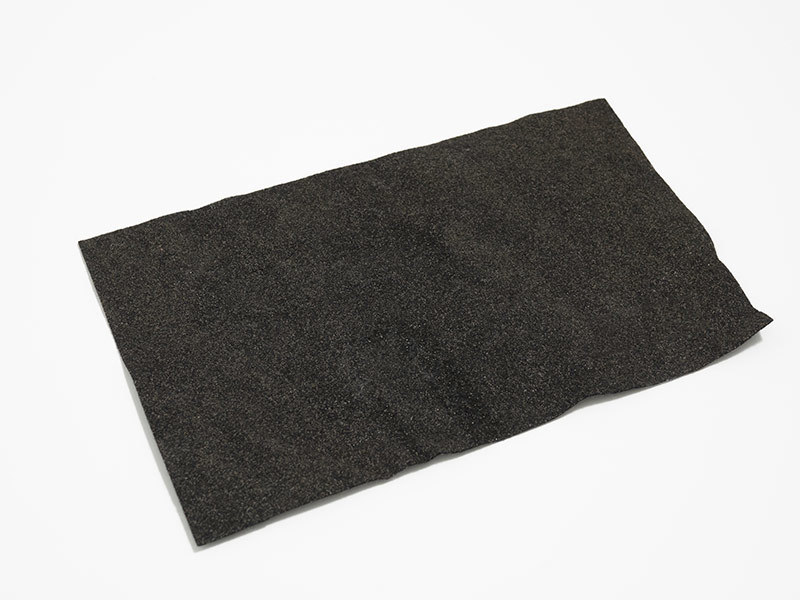
Nonwoven shoe insole material is an increasingly popular choice in the footwear industry, known for its unique properties and versatility. Unlike woven fabrics, which are made by interlacing threads, nonwoven materials are created by bonding fibers together through various methods such as heat, pressure, or chemical treatments. This process results in a fabric that is not only lightweight but also offers exceptional durability and performance characteristics.
One of the most significant advantages of nonwoven shoe insole material is its breathability. The structure of nonwoven fabrics allows for excellent air circulation, helping to keep feet dry and comfortable throughout the day. This is particularly important in footwear design, as moisture buildup can lead to discomfort and even foot-related health issues. By incorporating breathable nonwoven materials into insoles, manufacturers can improve the overall user experience, making shoes more suitable for extended wear.
In addition to breathability, nonwoven shoe insole materials offer superior cushioning and support. The layered construction of these materials can be engineered to provide varying levels of shock absorption, making them ideal for athletic shoes or work boots that require additional comfort and support during prolonged use. This adaptability allows for the customization of insoles to meet specific needs, whether for high-impact sports or daily wear.
Another noteworthy characteristic of nonwoven materials is their lightweight nature. This feature is particularly appealing for shoe manufacturers, as it allows for the creation of lightweight footwear that does not sacrifice comfort or support. Consumers today are increasingly looking for shoes that are easy to wear without weighing them down, making nonwoven insoles an attractive option for modern footwear design.
Moreover, nonwoven shoe insole materials are also environmentally friendly. Many manufacturers are now producing these materials from recycled or sustainable fibers, contributing to a more eco-conscious approach in the fashion and footwear industry. This shift towards sustainable materials aligns with the growing consumer demand for products that are not only functional but also environmentally responsible.
The versatility of nonwoven shoe insole material extends beyond just functionality; it can be easily dyed, printed, or finished to match various design aesthetics. This opens up opportunities for creative expression in footwear design, allowing brands to cater to diverse consumer preferences while maintaining the performance benefits of nonwoven materials.
In conclusion, nonwoven shoe insole material stands out as a game-changer in the footwear industry due to its unique properties, including breathability, cushioning, lightweight nature, and sustainability. As manufacturers continue to innovate and adapt these materials, consumers can expect to see even more exciting developments in the realm of comfortable and stylish footwear.
One of the most significant advantages of nonwoven shoe insole material is its breathability. The structure of nonwoven fabrics allows for excellent air circulation, helping to keep feet dry and comfortable throughout the day. This is particularly important in footwear design, as moisture buildup can lead to discomfort and even foot-related health issues. By incorporating breathable nonwoven materials into insoles, manufacturers can improve the overall user experience, making shoes more suitable for extended wear.
In addition to breathability, nonwoven shoe insole materials offer superior cushioning and support. The layered construction of these materials can be engineered to provide varying levels of shock absorption, making them ideal for athletic shoes or work boots that require additional comfort and support during prolonged use. This adaptability allows for the customization of insoles to meet specific needs, whether for high-impact sports or daily wear.
Another noteworthy characteristic of nonwoven materials is their lightweight nature. This feature is particularly appealing for shoe manufacturers, as it allows for the creation of lightweight footwear that does not sacrifice comfort or support. Consumers today are increasingly looking for shoes that are easy to wear without weighing them down, making nonwoven insoles an attractive option for modern footwear design.
Moreover, nonwoven shoe insole materials are also environmentally friendly. Many manufacturers are now producing these materials from recycled or sustainable fibers, contributing to a more eco-conscious approach in the fashion and footwear industry. This shift towards sustainable materials aligns with the growing consumer demand for products that are not only functional but also environmentally responsible.
The versatility of nonwoven shoe insole material extends beyond just functionality; it can be easily dyed, printed, or finished to match various design aesthetics. This opens up opportunities for creative expression in footwear design, allowing brands to cater to diverse consumer preferences while maintaining the performance benefits of nonwoven materials.
In conclusion, nonwoven shoe insole material stands out as a game-changer in the footwear industry due to its unique properties, including breathability, cushioning, lightweight nature, and sustainability. As manufacturers continue to innovate and adapt these materials, consumers can expect to see even more exciting developments in the realm of comfortable and stylish footwear.
Tag:
Recommended news
Unlocking the Potential of Non-Woven Customization in Textile Industry
The realm of non-woven customization presents an array of opportunities for professionals in the textile industry. Non-woven fabrics, unlike traditional woven textiles, are made by bonding fibers together through mechanical, thermal, or chemical means. This unique manufacturing process allows for a myriad of customized solutions that can cater to specific needs across various applications.
One of
Contact Information
Postcode:211400
Address:Tian'an Village, Xinji Town, Yizheng City


QR code
QR
TikTok