

-
-
-
Solution

-
-
Contact Us
Soundproof Nonwoven: The Key to a Serene Automotive Environment
Soundproof Nonwoven: The Key to a Serene Automotive Environment
Table of Contents
- 1. Introduction to Soundproof Nonwoven Materials
- 2. Importance of Soundproofing in Automotive Design
- 3. Applications of Soundproof Nonwoven in Vehicles
- 4. Benefits of Using Soundproof Nonwoven Materials
- 5. Innovations in Soundproof Nonwoven Technology
- 6. Installation Techniques for Soundproof Nonwoven Materials
- 7. Maintenance Tips for Longevity
- 8. The Future of Soundproof Nonwoven Materials in Automotive
- 9. Frequently Asked Questions
- 10. Conclusion
1. Introduction to Soundproof Nonwoven Materials
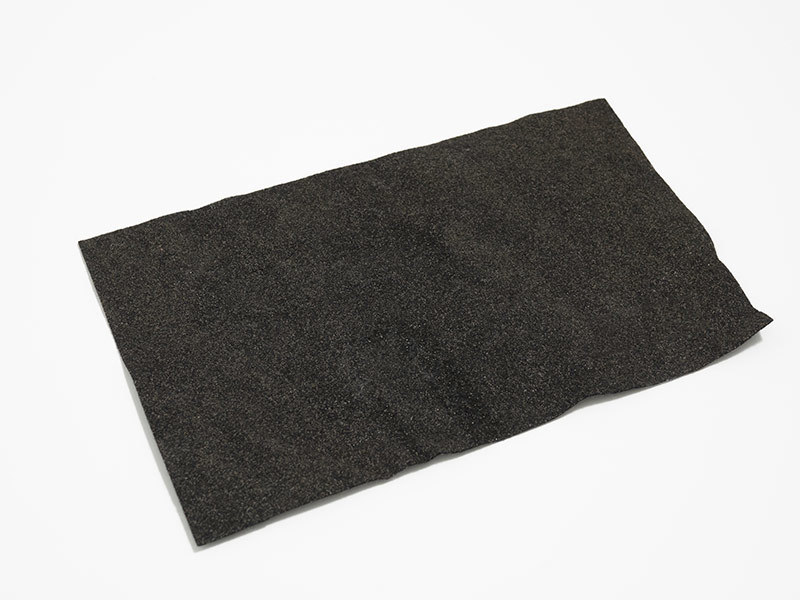
Soundproof nonwoven materials have become a crucial component in modern automotive engineering. Unlike traditional soundproofing methods, these innovative materials offer enhanced acoustic performance and lightweight properties. The need for quieter vehicles is more pronounced than ever, as consumers increasingly prioritize comfort, luxury, and a serene driving experience. This article delves into the role of soundproof nonwoven materials in achieving these goals.
2. Importance of Soundproofing in Automotive Design
The automotive industry is constantly evolving, with manufacturers striving to create vehicles that not only perform well but also provide a superior driving experience. Soundproofing is essential for several reasons:
2.1 Enhancing Passenger Comfort
Excessive noise in vehicles can lead to discomfort and fatigue. Soundproof nonwoven materials effectively dampen vibrations and absorb sound waves, creating a more tranquil environment for passengers.
2.2 Improving Brand Perception
Luxury brands invest heavily in soundproofing to create a premium experience. A quiet cabin is often associated with quality, leading to increased customer satisfaction and loyalty.
2.3 Compliance with Regulations
Many regions have strict noise regulations for vehicles. Implementing soundproofing solutions helps manufacturers comply with these laws, avoiding potential fines and enhancing their market reputation.
3. Applications of Soundproof Nonwoven in Vehicles
Soundproof nonwoven materials find various applications in automotive design, contributing to overall noise reduction strategies.
3.1 Floor and Roof Linings
Soundproof nonwoven materials are commonly used in floor and roof linings, effectively minimizing road and wind noise. These materials can be tailored to fit specific vehicle models, ensuring optimal performance.
3.2 Door Panels
Utilizing nonwoven soundproofing in door panels not only reduces noise but also enhances structural integrity. This application is vital for preventing rattling and vibrations when the vehicle is in motion.
3.3 Engine Compartment Insulation
To ensure a quieter engine operation, soundproof nonwoven materials can be placed in the engine compartment. This application significantly reduces engine noise, contributing to a more serene driving experience.
4. Benefits of Using Soundproof Nonwoven Materials
Opting for soundproof nonwoven materials in automotive applications comes with numerous advantages:
4.1 Lightweight Properties
One of the standout features of nonwoven materials is their lightweight nature. This quality helps manufacturers maintain fuel efficiency while still achieving excellent soundproofing.
4.2 Versatility
Soundproof nonwoven materials can be engineered to suit different vehicle types, from sedans to SUVs, ensuring broad applicability across the automotive industry.
4.3 Cost-Effectiveness
While high-end soundproofing solutions can be costly, nonwoven materials offer a more budget-friendly alternative without sacrificing performance.
4.4 Environmental Benefits
Many soundproof nonwoven materials are made from recycled fibers, contributing to sustainability efforts within the automotive sector.
5. Innovations in Soundproof Nonwoven Technology
The landscape of soundproof nonwoven materials is continually evolving, with innovative technologies enhancing their effectiveness.
5.1 Advanced Fiber Technology
Recent advancements in fiber technology have led to the development of nonwoven materials that can absorb a wider range of sound frequencies, providing better overall soundproofing.
5.2 Incorporation of Nanotechnology
Nanotechnology is being utilized to create soundproof nonwoven materials with superior acoustic properties, significantly enhancing noise reduction capabilities.
5.3 Smart Materials
Emerging smart materials can adapt to varying noise levels, responding dynamically to changes in the driving environment for optimal sound management.
6. Installation Techniques for Soundproof Nonwoven Materials
Proper installation of soundproof nonwoven materials is crucial for achieving the desired acoustic performance.
6.1 Surface Preparation
Before installation, surfaces must be cleaned and primed to ensure good adhesion and effective performance of the soundproofing material.
6.2 Application Methods
Techniques such as spray adhesives or mechanical fastening can be employed, depending on the application area and the material being used.
6.3 Testing and Quality Assurance
Post-installation testing is essential to confirm soundproofing effectiveness, ensuring that the materials perform as intended in real-world conditions.
7. Maintenance Tips for Longevity
To maximize the lifespan and efficacy of soundproof nonwoven materials, regular maintenance is necessary.
7.1 Regular Inspections
Routine checks for wear and tear can help identify any potential issues early, allowing for timely repairs or replacements.
7.2 Cleaning Techniques
Using appropriate cleaning methods helps maintain the integrity of soundproof nonwoven materials. Avoid harsh chemicals that could degrade the fibers.
7.3 Environmental Considerations
Protecting soundproof materials from extreme temperatures and moisture will ensure they perform optimally over time.
8. The Future of Soundproof Nonwoven Materials in Automotive
As the automotive industry moves towards electric and autonomous vehicles, the demand for effective soundproofing solutions is only expected to rise.
8.1 Innovations in Eco-Friendly Soundproofing
The future will likely see an increase in sustainable soundproofing options as manufacturers become more eco-conscious, focusing on materials that are both effective and environmentally friendly.
8.2 Integration with Smart Vehicle Systems
Soundproof materials may soon integrate with smart technology, allowing vehicles to adjust soundproofing based on noise levels, providing an even quieter ride.
8.3 Growth in the Electric Vehicle Market
With electric vehicles (EVs) becoming more prevalent, the need for soundproofing will shift as these vehicles inherently produce less noise. Tailored soundproofing solutions will be crucial for enhancing the driving experience further.
9. Frequently Asked Questions
9.1 What are soundproof nonwoven materials made of?
Soundproof nonwoven materials are typically constructed from synthetic fibers or recycled materials, designed to absorb and dampen sound effectively.
9.2 How do soundproof nonwoven materials reduce noise?
These materials reduce noise through sound absorption and vibration damping, minimizing the transmission of sound waves into the vehicle cabin.
9.3 Are soundproof nonwoven materials environmentally friendly?
Many soundproof nonwoven options are made from recycled materials, making them a sustainable choice in automotive design.
9.4 Can I install soundproof nonwoven materials myself?
While DIY installation is possible, professional installation is recommended to ensure optimal performance and adherence to industry standards.
9.5 What is the lifespan of soundproof nonwoven materials?
With proper care and maintenance, soundproof nonwoven materials can last for several years, providing long-term benefits in noise reduction.
10. Conclusion
In conclusion, **soundproof nonwoven materials serve as a cornerstone for enhancing the automotive experience**. As consumers continue to seek comfort, luxury, and tranquility in their vehicles, these innovative materials provide the necessary solutions to meet these expectations. With ongoing advancements in technology and a focus on sustainability, the future of soundproof nonwoven materials looks promising, promising a quieter, more serene automotive environment for all. By understanding and leveraging the benefits of these materials, manufacturers can create vehicles that not only perform exceptionally but also ensure the comfort and satisfaction of drivers and passengers alike.
Tag:
Recommended news
Unlocking the Potential of Non-Woven Customization in Textile Industry
The realm of non-woven customization presents an array of opportunities for professionals in the textile industry. Non-woven fabrics, unlike traditional woven textiles, are made by bonding fibers together through mechanical, thermal, or chemical means. This unique manufacturing process allows for a myriad of customized solutions that can cater to specific needs across various applications.
One of

Contact Information
Postcode:211400
Address:Tian'an Village, Xinji Town, Yizheng City


QR code
QR
TikTok