

-
-
-
Solution

-
-
Contact Us
Understanding Oil Repellent Non-Woven Fabrics: Properties and Applications
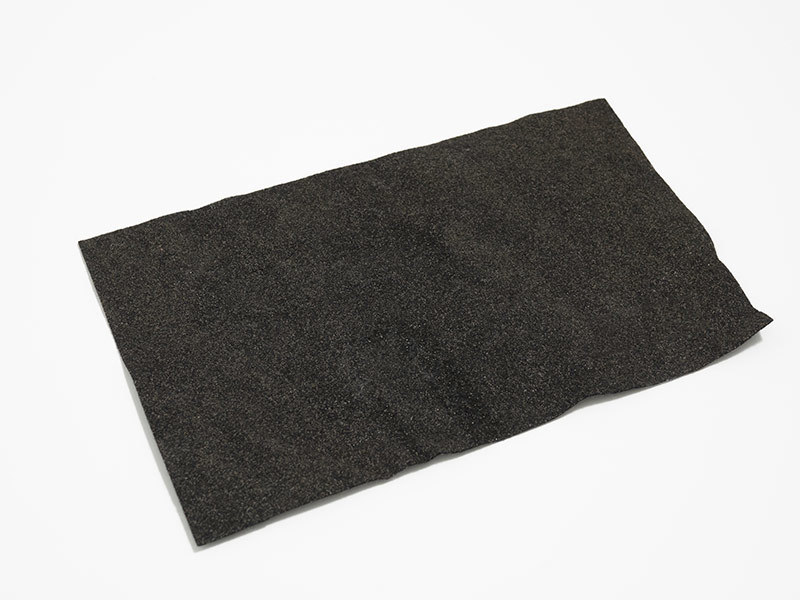
Oil repellent non-woven fabric is a specialized textile that combines the desirable properties of non-woven materials with an oil-repellent finish. This innovative fabric is engineered to resist the penetration of oils and other hydrophobic substances, making it ideal for multiple applications across various sectors. Understanding the properties and benefits of this fabric can aid in making informed decisions for specific uses in both professional and industrial contexts.
Non-woven fabrics are produced by bonding fibers through various methods such as mechanical, thermal, or chemical processes. Unlike woven fabrics, which are made from interlacing threads, non-woven fabrics are typically produced in large, flat sheets that can be easily customized in terms of thickness, texture, and durability. The addition of oil-repellent properties is achieved through a treatment that modifies the surface tension of the fabric, allowing it to repel oils more effectively.
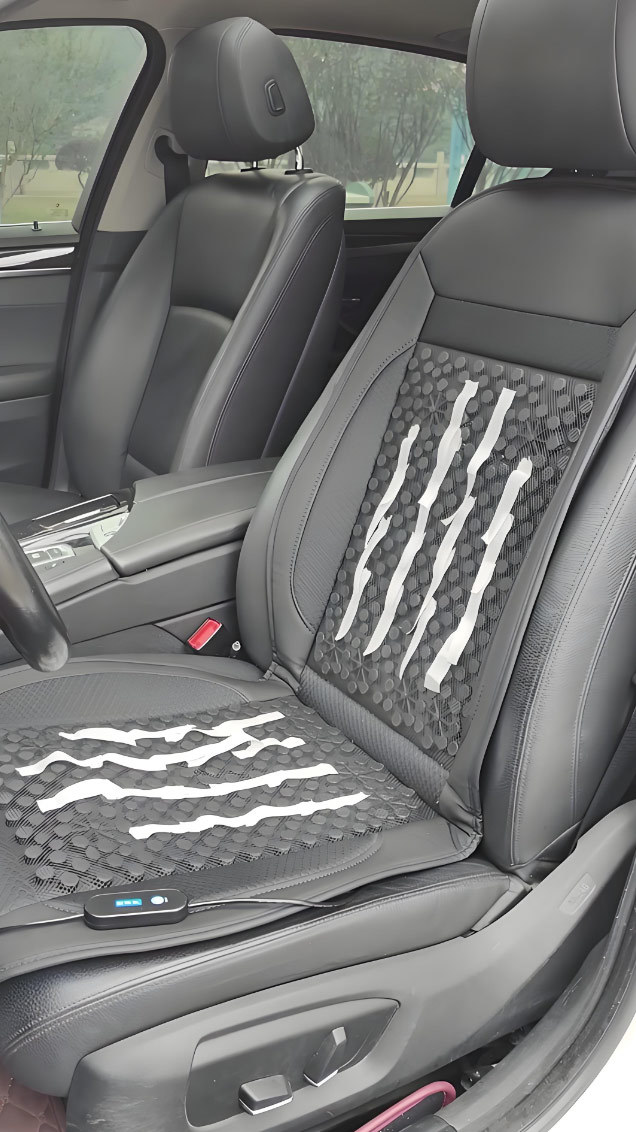
One of the key benefits of oil repellent non-woven fabric is its versatility. This fabric is widely used in numerous applications, including personal protective equipment (PPE), automotive interiors, medical textiles, and outdoor gear. For instance, in the medical field, gowns and barriers made from oil repellent non-woven fabrics provide crucial protection against spills and contaminants. Similarly, in the automotive industry, these fabrics can enhance the longevity and performance of vehicle interiors by resisting stains and oil degradation.
Furthermore, the lightweight nature of non-woven fabrics contributes to their practicality. They are easy to handle and can be laminated or coated to achieve additional properties such as breathability or water resistance. This adaptability does not compromise their effectiveness; in fact, oil repellent non-woven fabrics often maintain a balance between strength and flexibility, making them suitable for dynamic environments.
Environmental considerations are also important. Many manufacturers are increasingly focusing on sustainability, producing oil repellent non-woven fabrics from recycled or biodegradable materials. This shift not only helps to reduce the environmental impact of textile production but also caters to a growing consumer demand for eco-friendly products.
In conclusion, oil repellent non-woven fabrics play a pivotal role in modern textile applications. Their ability to resist oils while maintaining lightweight and flexible properties makes them an ideal choice for a range of professional uses. Understanding these fabrics' unique characteristics can greatly enhance selection processes for various industries, ensuring that they meet specific performance requirements effectively. By embracing advancements in textile technology, businesses can leverage the benefits of oil repellent non-woven fabrics for improved product efficacy and sustainability.
Non-woven fabrics are produced by bonding fibers through various methods such as mechanical, thermal, or chemical processes. Unlike woven fabrics, which are made from interlacing threads, non-woven fabrics are typically produced in large, flat sheets that can be easily customized in terms of thickness, texture, and durability. The addition of oil-repellent properties is achieved through a treatment that modifies the surface tension of the fabric, allowing it to repel oils more effectively.
One of the key benefits of oil repellent non-woven fabric is its versatility. This fabric is widely used in numerous applications, including personal protective equipment (PPE), automotive interiors, medical textiles, and outdoor gear. For instance, in the medical field, gowns and barriers made from oil repellent non-woven fabrics provide crucial protection against spills and contaminants. Similarly, in the automotive industry, these fabrics can enhance the longevity and performance of vehicle interiors by resisting stains and oil degradation.
Furthermore, the lightweight nature of non-woven fabrics contributes to their practicality. They are easy to handle and can be laminated or coated to achieve additional properties such as breathability or water resistance. This adaptability does not compromise their effectiveness; in fact, oil repellent non-woven fabrics often maintain a balance between strength and flexibility, making them suitable for dynamic environments.
Environmental considerations are also important. Many manufacturers are increasingly focusing on sustainability, producing oil repellent non-woven fabrics from recycled or biodegradable materials. This shift not only helps to reduce the environmental impact of textile production but also caters to a growing consumer demand for eco-friendly products.
In conclusion, oil repellent non-woven fabrics play a pivotal role in modern textile applications. Their ability to resist oils while maintaining lightweight and flexible properties makes them an ideal choice for a range of professional uses. Understanding these fabrics' unique characteristics can greatly enhance selection processes for various industries, ensuring that they meet specific performance requirements effectively. By embracing advancements in textile technology, businesses can leverage the benefits of oil repellent non-woven fabrics for improved product efficacy and sustainability.
Tag:
Recommended news
Unlocking the Potential of Non-Woven Customization in Textile Industry
The realm of non-woven customization presents an array of opportunities for professionals in the textile industry. Non-woven fabrics, unlike traditional woven textiles, are made by bonding fibers together through mechanical, thermal, or chemical means. This unique manufacturing process allows for a myriad of customized solutions that can cater to specific needs across various applications.
One of

Contact Information
Postcode:211400
Address:Tian'an Village, Xinji Town, Yizheng City


QR code
QR
TikTok