

-
-
-
Solution

-
-
Contact Us
Exploring Nonwoven Fabric for Car Headliners: A Comprehensive Guide
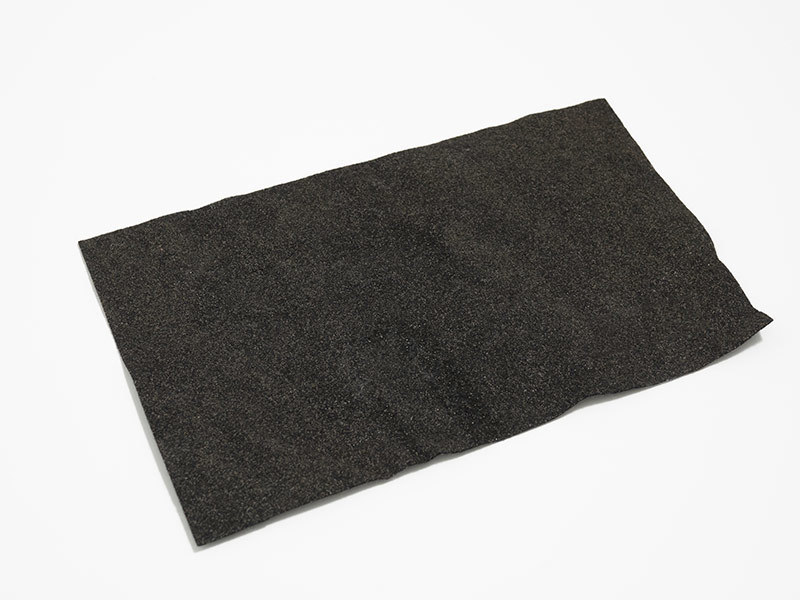
Nonwoven fabric has emerged as a crucial material in the automotive sector, particularly for car headliners. The headliner, which is the material covering the interior roof of a vehicle, plays a pivotal role not only in aesthetics but also in functionality. Nonwoven fabrics offer distinctive advantages that make them a preferred choice for automotive manufacturers.
One of the primary benefits of nonwoven fabric for car headliners is its lightweight nature. Being significantly lighter than traditional woven fabrics, nonwoven materials contribute to the overall weight reduction of vehicles, which is essential for enhancing fuel efficiency and improving performance. This characteristic is particularly beneficial in the context of modern automotive design, where manufacturers are increasingly focused on sustainability and efficiency.
Another advantage of nonwoven fabric is its versatility in design and texture. These fabrics can be produced in various colors, patterns, and textures, allowing for customization that meets the specific aesthetic demands of different car models. The ability to incorporate various finishes also enables manufacturers to create a more luxurious and appealing interior environment, enhancing the overall customer experience.
Additionally, nonwoven fabrics exhibit excellent sound absorption properties. With increasing consumer expectations for quieter rides, the use of nonwoven materials in car headliners can significantly reduce noise levels within the cabin. This acoustic insulation helps improve the comfort of passengers and enhances the overall driving experience.
The manufacturing process of nonwoven fabric involves bonding fibers through mechanical, thermal, or chemical means. This results in a strong, durable material that can withstand the rigors of automotive use, including exposure to varying temperatures and humidity levels. Furthermore, nonwoven fabrics are often treated with special coatings to enhance their resistance to stains, moisture, and fire, ensuring they meet safety standards required in the automotive industry.
When selecting nonwoven fabric for car headliners, several factors should be considered. These include the weight of the material, its acoustic properties, and its compatibility with other interior components. It is essential to work closely with suppliers who understand the specific requirements of the automotive industry to ensure optimal performance and compliance with regulatory standards.
In summary, nonwoven fabric for car headliners represents a blend of lightweight efficiency, aesthetic versatility, and functional advantages, making it a key material in contemporary automotive design. As the industry continues to evolve, the importance of selecting the right nonwoven fabric will only increase, ensuring that manufacturers can meet both performance and consumer demands effectively.
Tag:
Recommended news
Unlocking the Potential of Non-Woven Customization in Textile Industry
Contact Information
Postcode:211400
Address:Tian'an Village, Xinji Town, Yizheng City


QR code
QR
TikTok