

-
-
-
Solution

-
-
Contact Us
Understanding Nonwoven Geobags: Innovations in Environmental Engineering
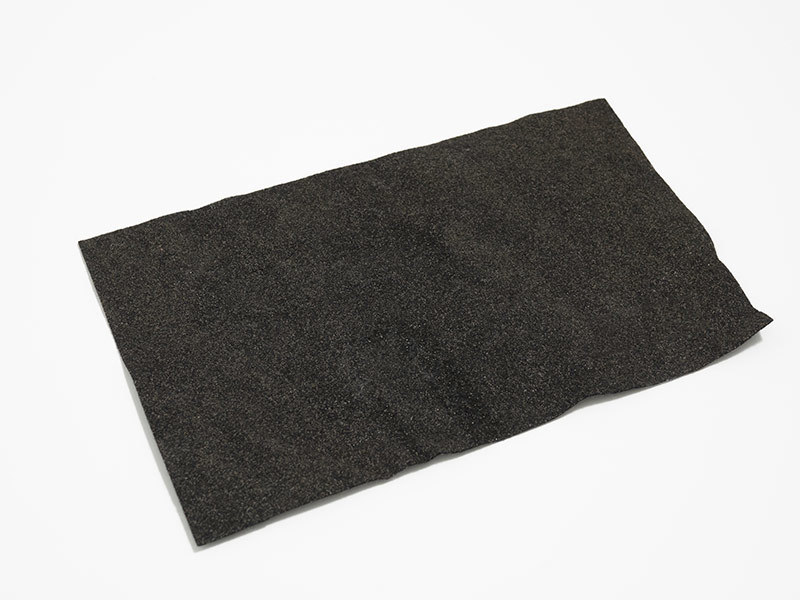
Nonwoven geobags, also known as geotextile bags, are innovative products made from nonwoven fabrics, designed specifically for various applications in environmental engineering and construction. Their unique structure and properties make them an essential tool in erosion control, sediment management, and landscape stabilization. Understanding the functionality and advantages of nonwoven geobags can help industry professionals and environmentalists alike make informed decisions in their projects.
At its core, a nonwoven geobag is a container made from nonwoven textile materials that can be filled with soil, sand, or other materials, creating a flexible yet robust barrier or structure. One of the primary applications of these geobags is in shoreline protection and riverbank stabilization. By utilizing nonwoven geobags, engineers can create temporary or permanent structures that reduce erosion caused by water flow, thereby protecting valuable land and ecosystems.
Another significant benefit of nonwoven geobags is their permeability. Unlike traditional materials, nonwoven fabrics allow water to pass through while retaining soil and sediment. This feature not only helps prevent waterlogging but also facilitates the growth of vegetation, which can further stabilize the soil over time. As plants establish roots within the nonwoven geobag, they contribute to a healthy ecosystem, fostering biodiversity and enhancing the landscape's overall resilience.
In addition to erosion control, nonwoven geobags can be used in construction projects to manage sediment runoff effectively. By strategically placing these bags in areas prone to sediment displacement, construction teams can minimize environmental impact and adhere to regulations regarding sediment control. Moreover, these geobags are often lightweight and easy to transport, making them a practical choice for various construction and landscaping projects.
Nonwoven geobags are also increasingly being recognized for their potential in disaster management and flood control. They can be rapidly deployed to create temporary barriers during flood events, helping to redirect water flow and protect vulnerable areas. This versatility highlights the importance of nonwoven geobags as a proactive measure in environmental management, particularly in regions susceptible to natural disasters.
Sustainability is a core principle in the design and use of nonwoven geobags. Many of these products are made from recycled materials, and they can be manufactured with minimal environmental impact. As industries continue to focus on sustainable practices, nonwoven geobags represent an innovative solution that aligns with the growing demand for eco-friendly alternatives.
In summary, nonwoven geobags are a crucial advancement in the textile and environmental engineering fields. Their unique properties provide numerous benefits for erosion control, sediment management, and disaster mitigation. By understanding the applications and advantages of nonwoven geobags, stakeholders can leverage this technology to promote sustainability and enhance environmental protection efforts.
Tag:
Recommended news
Unlocking the Potential of Non-Woven Customization in Textile Industry

Contact Information
Postcode:211400
Address:Tian'an Village, Xinji Town, Yizheng City


QR code
QR
TikTok