

-
-
-
Solution

-
-
Contact Us
Exploring the Benefits of Nonwoven Fabric for Car Headliners
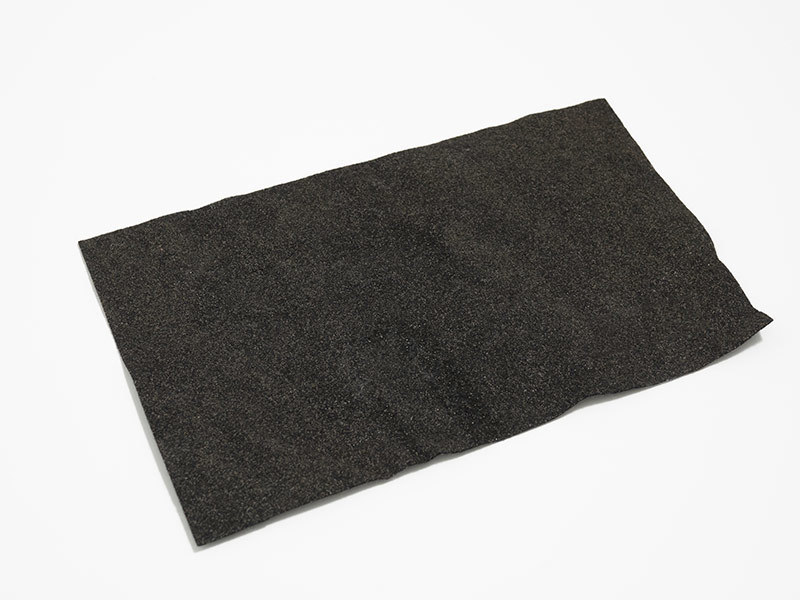
Nonwoven fabric for car headliners has emerged as a popular choice in the automotive sector due to its unique properties and functional benefits. This versatile material, composed of fibers that are bonded together through mechanical, thermal, or chemical processes, serves as an excellent solution for automotive interior applications.
One of the primary benefits of nonwoven fabric for car headliners is its lightweight nature. This characteristic not only helps in reducing the overall weight of the vehicle, thus improving fuel efficiency, but also makes it easier to handle during manufacturing and installation. Additionally, the lightweight feature contributes to enhanced driving comfort by minimizing unnecessary vibrations and noise within the cabin.
Another advantage of nonwoven fabric is its excellent sound absorption properties. This is particularly critical in automotive applications, as reducing noise levels enhances the overall driving experience. Nonwoven fabrics can effectively dampen vibrations and block sound waves, creating a quieter environment for passengers. This sound-deadening quality makes it an ideal choice for car headliners, which are positioned directly beneath the roof and can significantly impact cabin acoustics.
Moreover, nonwoven fabric for car headliners is known for its durability and resilience. It can withstand the wear and tear associated with daily use, making it a long-lasting option for automotive interiors. This durability is often enhanced by the ability to treat nonwoven materials with various finishes, providing additional resistance to factors such as moisture, staining, and UV rays. This treatment ensures that the headliner maintains its aesthetic appeal over time, even in the face of harsh environmental conditions.
Furthermore, nonwoven fabric is also regarded for its design versatility. It can be easily dyed or printed, allowing car manufacturers to offer a wide range of colors and patterns that cater to different consumer preferences. This customization ability not only enhances the visual appeal of the vehicle but also allows for a more personalized interior experience.
Sustainability is an increasingly important factor in modern automotive manufacturing, and nonwoven fabrics can align with these eco-friendly goals. Many nonwoven materials can be produced from recycled fibers or biodegradable components, reducing their ecological footprint. This aspect makes nonwoven fabric for car headliners an attractive option for manufacturers looking to promote sustainability in their product offerings.
In conclusion, the use of nonwoven fabric for car headliners presents numerous benefits, including lightweight construction, sound absorption, durability, design versatility, and sustainability. As the automotive industry continues to evolve, nonwoven fabrics are likely to play an increasingly significant role in enhancing vehicle interiors while meeting the demands of modern consumers.
Tag:
Recommended news
Unlocking the Potential of Non-Woven Customization in Textile Industry
Contact Information
Postcode:211400
Address:Tian'an Village, Xinji Town, Yizheng City


QR code
QR
TikTok