

-
-
-
Solution

-
-
Contact Us
How Geomembrane Composite Fabric Enhances Environmental Protection
1. Introduction to Geomembranes
Geomembranes are impermeable membranes used in a variety of applications, particularly in environmental protection and civil engineering. They play a crucial role in waste containment, water management, and soil stabilization. As the need for sustainable practices grows, the importance of geomembrane composite fabric becomes increasingly significant. Understanding its properties and functionality can help us appreciate its contribution to environmental protection.
2. Understanding Composite Fabric
Composite fabric refers to a combination of materials designed to enhance performance. In the case of geomembranes, this often includes a primary impermeable layer and additional reinforcements that improve durability and flexibility. This unique structure allows geomembrane composite fabric to withstand various environmental conditions while maintaining its protective properties.
The Composition of Geomembrane Composite Fabric
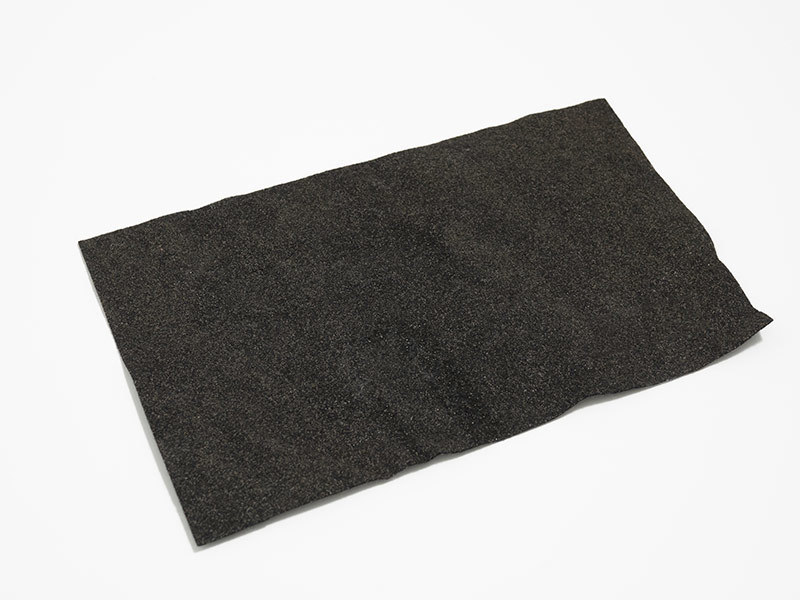
Geomembrane composite fabric typically consists of a base layer made from polymers such as polyethylene or polypropylene, reinforced with a variety of materials, including geotextiles, which provide additional strength and filtration capabilities. This combination allows for a balance between flexibility and robustness, making it ideal for use in various environmental applications.
Types of Geomembrane Composite Fabric
There are several types of geomembrane composite fabrics, each designed for specific applications. Common types include:
- **HDPE (High-Density Polyethylene)**: Known for its durability and chemical resistance.
- **LDPE (Low-Density Polyethylene)**: Offers more flexibility and is suitable for applications requiring bending.
- **PVC (Polyvinyl Chloride)**: A versatile option, often used for waterproofing.
Each type serves a unique purpose, catering to the specific needs of the environment and application.
3. Role of Geomembrane Composite Fabric in Environmental Protection
The primary role of geomembrane composite fabric in environmental protection is to act as a barrier that prevents the migration of pollutants into the soil and groundwater. This is particularly crucial in landfill applications, where waste materials can leach harmful substances into the surrounding environment.
Water Containment and Management
Geomembranes are extensively used in water containment applications, such as reservoirs and ponds. By preventing seepage, they help maintain water quality and reduce the risk of contamination, ensuring that natural water resources remain safe for consumption and ecosystem health.
Soil Stabilization and Erosion Control
In addition to preventing pollution, geomembrane composite fabric can be utilized for soil stabilization. By reinforcing soil structures, they prevent erosion and promote proper drainage, which is essential for maintaining healthy landscapes and agricultural viability.
4. Applications in the Environmental Sector
Geomembrane composite fabric finds applications across various sectors, contributing significantly to environmental protection.
Landfill Liners
One of the most common applications of geomembrane composite fabric is in landfill liners. These liners are essential for preventing leachate from waste materials from contaminating the surrounding soil and groundwater. By providing a reliable barrier, they help mitigate the environmental impacts of waste disposal.
Mining Operations
In mining operations, geomembrane composite fabric is used to contain hazardous materials and prevent contamination of nearby water sources. They can also be utilized in tailings ponds to manage wastewater, ensuring that toxins do not leach into the environment.
Wastewater Treatment Facilities
Within wastewater treatment facilities, geomembrane composite fabric is employed in sedimentation tanks, lagoons, and evaporation ponds. They help control seepage and maintain safe containment of processed waste.
5. Benefits of Geomembrane Composite Fabric
The advantages of using geomembrane composite fabric in environmental applications are numerous.
Durability and Longevity
Geomembrane composite fabrics are designed to withstand harsh environmental conditions, including UV exposure, chemical attack, and temperature fluctuations. This durability ensures a long lifespan, minimizing maintenance and replacement costs.
Cost-Effectiveness
Investing in geomembrane composite fabric can lead to significant cost savings in the long run. By preventing pollution and its associated cleanup costs, they provide an economically viable solution for waste management and environmental protection.
Versatility
These fabrics come in various forms, allowing for a wide range of applications. Their versatility makes them suitable for different industries, including agriculture, construction, and waste management.
6. Sustainability and Ecological Impact
The use of geomembrane composite fabric aligns with sustainable practices by reducing environmental impact and conserving resources.
Resource Conservation
By preventing contamination and promoting efficient waste management, geomembrane composite fabric contributes to the conservation of water and soil resources, which are vital for ecological health.
Reduction of Pollution
Through effective containment of waste and pollutants, these fabrics help mitigate the release of harmful substances into the environment, safeguarding ecosystems and public health.
7. Challenges and Considerations
Despite their benefits, there are challenges associated with the use of geomembrane composite fabric that must be addressed.
Installation and Maintenance
Proper installation is critical to the effectiveness of geomembrane composite fabric. Any defects or improper placement can compromise their integrity. Additionally, regular inspections and maintenance are essential to ensure continued performance.
Environmental Impact of Manufacturing
While geomembrane composite fabrics play a vital role in environmental protection, the manufacturing process can have its own environmental impacts. It is essential to consider sustainable production practices to minimize the ecological footprint of these materials.
8. The Future of Geomembrane Technology
As environmental concerns continue to grow, the future of geomembrane technology looks promising. Ongoing advancements in material science will likely lead to even more effective and sustainable geomembrane solutions.
Innovations in Materials
Research and development in biodegradable and recyclable materials are underway, aiming to reduce the environmental impact of geomembranes further. These innovations could revolutionize the industry, providing even more eco-friendly options.
Smart Geomembranes
The integration of technology into geomembranes, such as sensors for monitoring environmental conditions, is also on the horizon. These smart geomembranes could provide real-time data, enhancing their effectiveness in protecting the environment.
9. Conclusion
Geomembrane composite fabric is a critical component in the fight for environmental protection. Its unique properties and applications make it an invaluable asset in waste management, water conservation, and soil stabilization. By understanding its role, benefits, and potential challenges, we can better appreciate how geomembrane technology contributes to a sustainable future. As innovations continue to evolve, the positive impact of geomembrane composite fabric on environmental protection will undoubtedly grow, paving the way for a cleaner and healthier planet.
10. Frequently Asked Questions (FAQs)
1. What is geomembrane composite fabric?
Geomembrane composite fabric is an impermeable membrane made from polymers and reinforced materials, used primarily for environmental protection and containment applications.
2. How does geomembrane fabric enhance environmental protection?
It acts as a barrier to prevent pollutants from migrating into soil and groundwater, thereby safeguarding ecosystems and public health.
3. What are the common applications of geomembrane composite fabric?
Common applications include landfill liners, mining operations, and wastewater treatment facilities.
4. What are the benefits of using geomembrane composite fabric?
Benefits include durability, cost-effectiveness, and versatility in various environmental applications.
5. Are there any challenges associated with geomembrane composite fabric?
Yes, challenges include the need for proper installation and maintenance, as well as potential environmental impacts from manufacturing processes.
Tag:
Recommended news
Unlocking the Potential of Non-Woven Customization in Textile Industry


Contact Information
Postcode:211400
Address:Tian'an Village, Xinji Town, Yizheng City


QR code
QR
TikTok