

-
-
-
Solution

-
-
Contact Us
Why Nonwoven Geobags Are Essential for Effective Flood Management Solutions
Introduction to Nonwoven Geobags and Flood Management
Flooding is one of the most devastating natural disasters, impacting communities, ecosystems, and economies worldwide. As climate change increases the frequency and severity of these events, effective flood management solutions become essential. Nonwoven geobags have emerged as vital components in flood management strategies, offering innovative and sustainable alternatives to traditional methods. This article delves into the significance of nonwoven geobags, their benefits, and how they contribute to effective flood management while addressing the pressing challenges posed by flooding.
Understanding Nonwoven Geobags
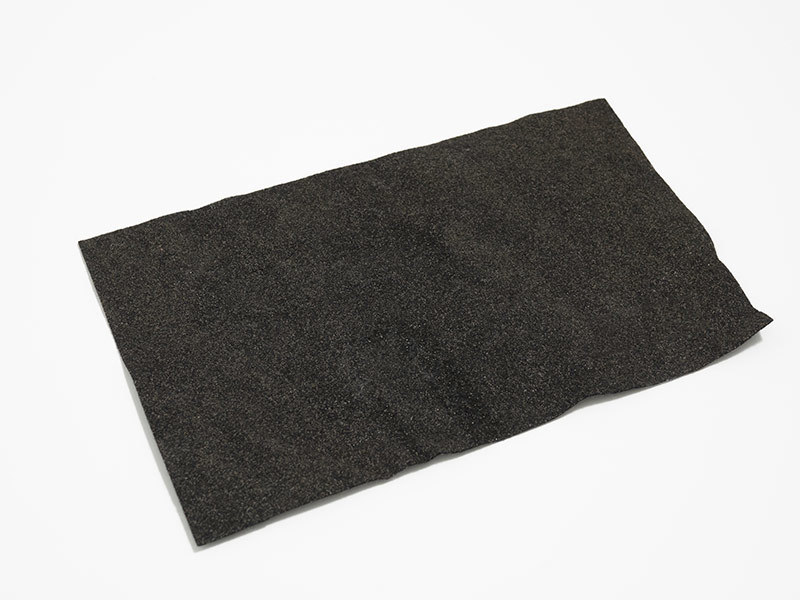
Nonwoven geobags, often referred to as geotextile bags, are engineered structures composed of synthetic fibers, typically polyester or polypropylene, that are bonded together through various manufacturing processes. Unlike woven fabrics, which are interlaced, nonwoven materials are formed by entangling fibers, resulting in a robust and flexible product ideal for various applications, including flood management.
Composition and Materials of Nonwoven Geobags
The primary materials used in the production of nonwoven geobags include:
- **Polypropylene:** A lightweight, durable plastic known for its resistance to moisture and chemicals.
- **Polyester:** Offers excellent tensile strength and durability, making it suitable for rigorous applications.
- **Biodegradable Materials:** Some geobags incorporate eco-friendly materials that decompose over time, reducing environmental impact.
These materials are engineered to create a porous structure, allowing water to flow through while retaining soil and sediment. This unique combination of properties makes nonwoven geobags effective in preventing erosion and managing floodwaters.
Advantages of Nonwoven Geobags
Nonwoven geobags provide numerous advantages over traditional flood management solutions, including:
- **High Permeability:** Their porous nature allows for effective drainage, reducing water pressure during floods.
- **Versatility:** Nonwoven geobags can be used in various applications, from temporary flood barriers to permanent erosion control structures.
- **Cost-Effectiveness:** They are often more affordable than traditional methods like concrete barriers, making them accessible for communities with limited budgets.
- **Eco-Friendly Options:** Many manufacturers offer biodegradable options, aligning with sustainable practices in flood management.
- **Ease of Installation:** Nonwoven geobags are lightweight and easy to transport, enabling quick deployment in emergencies.
The Role of Nonwoven Geobags in Flood Management
Nonwoven geobags play a significant role in contemporary flood management strategies. Their unique properties and applications make them an essential tool for mitigating flood risks and protecting vulnerable areas.
Innovative Flood Control Solutions Using Nonwoven Geobags
Nonwoven geobags can be employed in various flood control solutions, including:
- **Temporary Barriers:** When floods threaten, geobags can be quickly deployed to form temporary barriers, diverting water and protecting properties.
- **Riverbank Stabilization:** By placing geobags along riverbanks, communities can prevent erosion and maintain the integrity of essential waterways.
- **Retention Basins:** Nonwoven geobags can be used to create retention basins that hold excess water, reducing the risk of downstream flooding.
- **Sediment Control:** In construction sites and areas prone to erosion, geobags can trap sediment, preventing it from entering waterways and causing further flooding.
Case Studies: Successful Implementation
Numerous successful implementations of nonwoven geobags demonstrate their effectiveness in flood management:
- **New Orleans, Louisiana:** Following Hurricane Katrina, nonwoven geobags were employed to reinforce levees and prevent floodwaters from breaching critical infrastructure.
- **Bangladesh:** In flood-prone regions, farmers have utilized geobags to create barriers around fields, protecting crops from inundation while promoting soil retention.
- **The Netherlands:** Innovative flood management strategies have integrated nonwoven geobags into the country’s extensive water management system, demonstrating their effectiveness in a region known for its vulnerability to flooding.
Environmental Benefits of Nonwoven Geobags
Beyond their practical applications, nonwoven geobags offer significant environmental benefits:
- **Soil Conservation:** By preventing erosion, these geobags help maintain soil health and prevent nutrient loss from agricultural lands.
- **Water Quality Improvement:** By trapping sediments and contaminants, nonwoven geobags contribute to improved water quality in nearby rivers and lakes.
- **Habitat Preservation:** The use of biodegradable geobags supports wildlife habitats, as they break down and return to the ecosystem over time.
Durability and Maintenance of Nonwoven Geobags
While nonwoven geobags are designed to withstand challenging conditions, understanding their lifespan and maintenance requirements is crucial for effective flood management.
- **Lifespan:** The durability of nonwoven geobags can vary depending on material and environmental conditions. Typically, they can last anywhere from one to five years, after which they should be replaced or maintained.
- **Maintenance Practices:** Regular inspections are necessary to ensure the integrity of geobags in place. Repairs should be made promptly to prevent leaks or breaches that could lead to flooding.
Frequently Asked Questions
1. What are the key differences between nonwoven geobags and traditional sandbags?
Nonwoven geobags are constructed from synthetic materials that are more durable and permeable compared to traditional sandbags. They allow water to flow through while preventing soil erosion, making them a more effective and long-lasting solution.
2. How are nonwoven geobags deployed in emergency situations?
In emergency situations, nonwoven geobags can be rapidly deployed to create temporary barriers. Their lightweight nature allows for easy transport, and they can be filled with soil or other materials on-site for quick assembly.
3. Are nonwoven geobags environmentally friendly?
Yes, many nonwoven geobags are made from biodegradable materials, reducing their environmental impact. They contribute to soil conservation and water quality improvement by preventing erosion and sedimentation.
4. How long do nonwoven geobags last?
The lifespan of nonwoven geobags varies based on material and environmental conditions. Typically, they can last from one to five years, and regular maintenance is essential to ensure their effectiveness.
5. Can nonwoven geobags be reused after a flood event?
While nonwoven geobags can sometimes be cleaned and reused, their effectiveness may diminish after exposure to harsh flood conditions. It's essential to assess their integrity before considering reuse.
Conclusion
Nonwoven geobags represent a transformative solution in the field of flood management. Their unique composition, versatility, and environmental benefits make them essential tools for protecting communities from the devastating impacts of flooding. As climate change continues to challenge traditional flood management approaches, the adoption of innovative solutions like nonwoven geobags will be crucial for safeguarding our environments and ensuring resilient infrastructure. Investing in these materials is not just a choice; it is a necessary step toward a more sustainable and flood-resilient future.
Tag:
Recommended news
Unlocking the Potential of Non-Woven Customization in Textile Industry

Contact Information
Postcode:211400
Address:Tian'an Village, Xinji Town, Yizheng City


QR code
QR
TikTok