

-
-
-
Solution

-
-
Contact Us
Exploring the Versatility of Shapeable Nonwoven Fabric in Modern Textiles
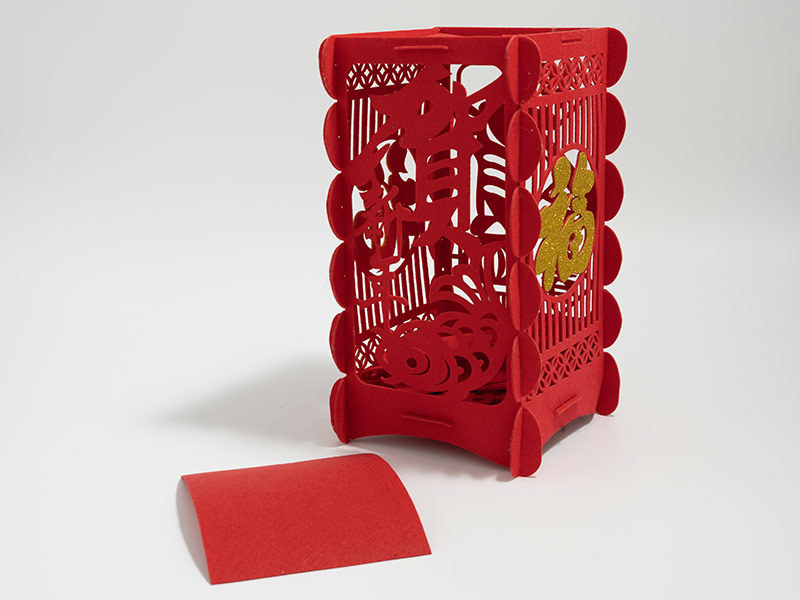
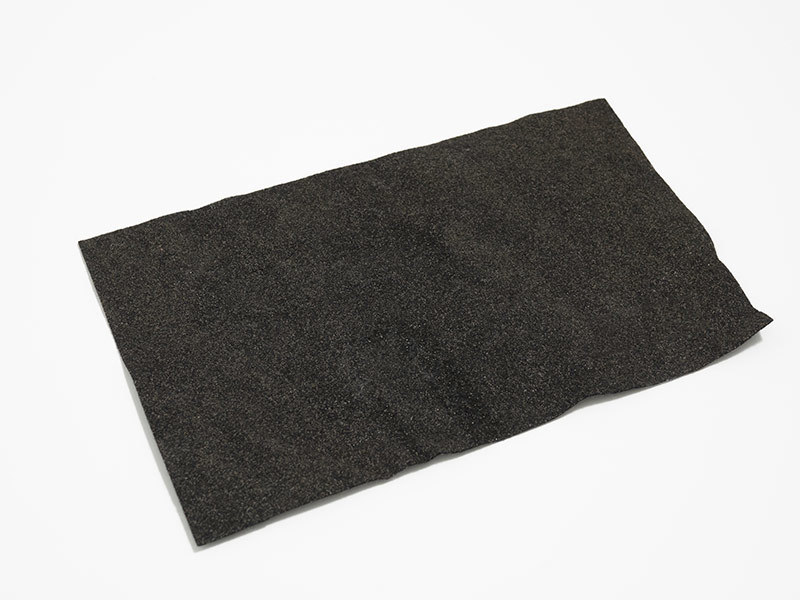
Shapeable nonwoven fabric is a remarkable advancement in textile technology, offering a unique blend of flexibility, strength, and versatility. Unlike traditional woven fabrics, nonwoven fabrics are made by bonding fibers together, which allows them to maintain a wide range of shapes and structures. This adaptability is particularly beneficial across various industries, enabling designers and manufacturers to create innovative products that meet specific functional requirements.
One of the most significant advantages of shapeable nonwoven fabric is its ability to be molded into complex shapes without compromising structural integrity. This property makes it an ideal choice for applications ranging from medical textiles to automotive interiors, where customized forms are often necessary. For instance, in the healthcare sector, shapeable nonwoven fabrics are used in the production of surgical drapes and gowns, ensuring a secure fit while providing protection. Their lightweight nature also contributes to comfort, making them suitable for extended wear.
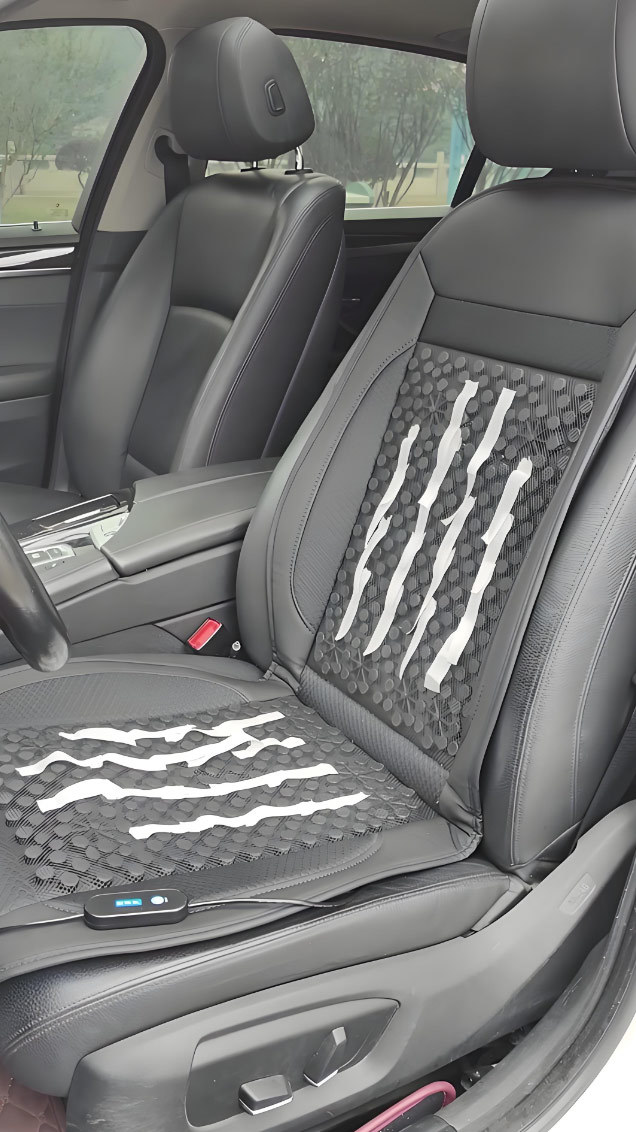
In the automotive industry, shapeable nonwoven fabrics are employed for sound dampening, insulation, and surface covering. Their capacity to conform to various surfaces while providing durability and resistance to wear makes them a valuable material in vehicle manufacturing. Additionally, they can be easily treated or coated to enhance properties such as water resistance and flame retardancy, further expanding their usability.
Shapeable nonwoven fabrics are also gaining traction in the fashion and apparel sector. Designers appreciate the ability to create structured garments that hold their shape while remaining lightweight and breathable. This opens new avenues for creative expression, allowing for innovative designs that push the boundaries of traditional fashion.
Furthermore, the sustainability aspect of shapeable nonwoven fabric cannot be overlooked. Many manufacturers are increasingly focusing on eco-friendly materials and processes, and nonwoven fabrics can be produced from recycled fibers or bio-based resources. This aligns with the growing consumer demand for sustainable products, making shapeable nonwoven fabrics an appealing option for environmentally conscious brands.
In summary, shapeable nonwoven fabric represents a significant evolution within the textile industry, characterized by its versatility and adaptability. Its unique properties allow it to be used in diverse applications, from healthcare to automotive and fashion. As industries continue to seek innovative solutions that balance functionality and sustainability, shapeable nonwoven fabrics will undoubtedly play a pivotal role in shaping the future of textiles. By understanding its capabilities, professionals in various sectors can leverage this material to meet their specific needs and challenges.
One of the most significant advantages of shapeable nonwoven fabric is its ability to be molded into complex shapes without compromising structural integrity. This property makes it an ideal choice for applications ranging from medical textiles to automotive interiors, where customized forms are often necessary. For instance, in the healthcare sector, shapeable nonwoven fabrics are used in the production of surgical drapes and gowns, ensuring a secure fit while providing protection. Their lightweight nature also contributes to comfort, making them suitable for extended wear.
In the automotive industry, shapeable nonwoven fabrics are employed for sound dampening, insulation, and surface covering. Their capacity to conform to various surfaces while providing durability and resistance to wear makes them a valuable material in vehicle manufacturing. Additionally, they can be easily treated or coated to enhance properties such as water resistance and flame retardancy, further expanding their usability.
Shapeable nonwoven fabrics are also gaining traction in the fashion and apparel sector. Designers appreciate the ability to create structured garments that hold their shape while remaining lightweight and breathable. This opens new avenues for creative expression, allowing for innovative designs that push the boundaries of traditional fashion.
Furthermore, the sustainability aspect of shapeable nonwoven fabric cannot be overlooked. Many manufacturers are increasingly focusing on eco-friendly materials and processes, and nonwoven fabrics can be produced from recycled fibers or bio-based resources. This aligns with the growing consumer demand for sustainable products, making shapeable nonwoven fabrics an appealing option for environmentally conscious brands.
In summary, shapeable nonwoven fabric represents a significant evolution within the textile industry, characterized by its versatility and adaptability. Its unique properties allow it to be used in diverse applications, from healthcare to automotive and fashion. As industries continue to seek innovative solutions that balance functionality and sustainability, shapeable nonwoven fabrics will undoubtedly play a pivotal role in shaping the future of textiles. By understanding its capabilities, professionals in various sectors can leverage this material to meet their specific needs and challenges.
Tag:
Recommended news
Unlocking the Potential of Non-Woven Customization in Textile Industry
The realm of non-woven customization presents an array of opportunities for professionals in the textile industry. Non-woven fabrics, unlike traditional woven textiles, are made by bonding fibers together through mechanical, thermal, or chemical means. This unique manufacturing process allows for a myriad of customized solutions that can cater to specific needs across various applications.
One of
Contact Information
Postcode:211400
Address:Tian'an Village, Xinji Town, Yizheng City


QR code
QR
TikTok