

-
-
-
Solution

-
-
Contact Us
Unlocking the Benefits of Geomembrane Composite Fabric: A Sustainable Solution for Diverse Applications
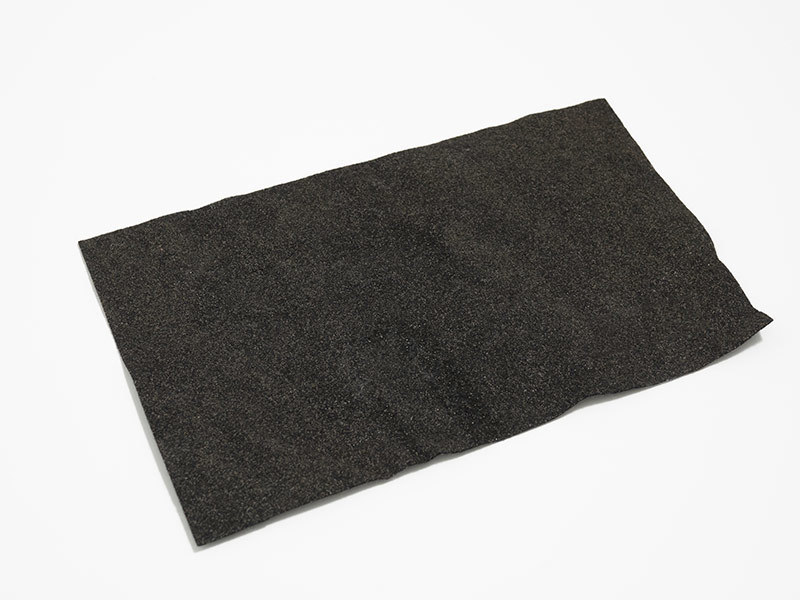
Geomembrane composite fabric is a cutting-edge material that has gained significant attention across multiple industries due to its exceptional properties and versatility. A key feature of geomembrane composite fabric is its ability to provide excellent waterproofing and durability, making it an ideal choice for applications requiring both strength and resilience. This material typically consists of a polymeric geomembrane combined with a non-woven fabric, creating a composite that offers superior performance in various environmental conditions.
One of the primary benefits of geomembrane composite fabric is its exceptional resistance to punctures and tears. This strength is crucial in applications such as landfill liners, where the risk of leaks can have severe environmental impacts. Additionally, the composite structure allows for better flexibility and adaptability to different surface shapes, facilitating easier installation and reducing the risk of damage during application.
Another important aspect of geomembrane composite fabric is its resistance to chemical exposure. Many industries, including construction and agriculture, often face harsh chemicals that can degrade other materials. The composite's ability to withstand such elements makes it a reliable choice, ensuring long-term performance and minimizing maintenance costs.
Furthermore, geomembrane composite fabric is lightweight, which not only simplifies transportation but also reduces installation costs. Its ease of handling makes it suitable for numerous projects, from water management systems to civil engineering applications. This versatility allows professionals to customize their solutions based on specific project requirements, optimizing resource use and efficiency.
In addition to its functional advantages, geomembrane composite fabric contributes to sustainable practices within industries. By effectively managing water resources and preventing soil contamination, it plays a crucial role in environmental protection. Utilizing materials like geomembrane composite fabric can help companies meet regulatory standards and bolster their commitment to sustainability.
When selecting geomembrane composite fabric for your projects, consider factors such as thickness, tensile strength, and environmental compatibility. Understanding these parameters will ensure that you choose the right product tailored to your specific needs.
In conclusion, geomembrane composite fabric is a vital innovation in modern textiles, particularly within the non-woven fabric sector. Its combined benefits of durability, chemical resistance, and environmental sustainability make it an invaluable resource for various applications. By leveraging the unique properties of this composite material, businesses can enhance their operational efficiency while contributing to a more sustainable future.
One of the primary benefits of geomembrane composite fabric is its exceptional resistance to punctures and tears. This strength is crucial in applications such as landfill liners, where the risk of leaks can have severe environmental impacts. Additionally, the composite structure allows for better flexibility and adaptability to different surface shapes, facilitating easier installation and reducing the risk of damage during application.
Another important aspect of geomembrane composite fabric is its resistance to chemical exposure. Many industries, including construction and agriculture, often face harsh chemicals that can degrade other materials. The composite's ability to withstand such elements makes it a reliable choice, ensuring long-term performance and minimizing maintenance costs.
Furthermore, geomembrane composite fabric is lightweight, which not only simplifies transportation but also reduces installation costs. Its ease of handling makes it suitable for numerous projects, from water management systems to civil engineering applications. This versatility allows professionals to customize their solutions based on specific project requirements, optimizing resource use and efficiency.
In addition to its functional advantages, geomembrane composite fabric contributes to sustainable practices within industries. By effectively managing water resources and preventing soil contamination, it plays a crucial role in environmental protection. Utilizing materials like geomembrane composite fabric can help companies meet regulatory standards and bolster their commitment to sustainability.
When selecting geomembrane composite fabric for your projects, consider factors such as thickness, tensile strength, and environmental compatibility. Understanding these parameters will ensure that you choose the right product tailored to your specific needs.
In conclusion, geomembrane composite fabric is a vital innovation in modern textiles, particularly within the non-woven fabric sector. Its combined benefits of durability, chemical resistance, and environmental sustainability make it an invaluable resource for various applications. By leveraging the unique properties of this composite material, businesses can enhance their operational efficiency while contributing to a more sustainable future.
Tag:
Recommended news
Unlocking the Potential of Non-Woven Customization in Textile Industry
The realm of non-woven customization presents an array of opportunities for professionals in the textile industry. Non-woven fabrics, unlike traditional woven textiles, are made by bonding fibers together through mechanical, thermal, or chemical means. This unique manufacturing process allows for a myriad of customized solutions that can cater to specific needs across various applications.
One of


Contact Information
Postcode:211400
Address:Tian'an Village, Xinji Town, Yizheng City


QR code
QR
TikTok