

-
-
-
Solution

-
-
Contact Us
The Ultimate Guide to Soundproof Nonwoven Materials for Cars
The Ultimate Guide to Soundproof Nonwoven Materials for Cars
In an increasingly noisy world, the demand for quieter vehicles continues to rise. Soundproofing has become a priority for automotive manufacturers and enthusiasts alike, leading to the increased utilization of soundproof nonwoven materials. This guide delves into the world of these innovative materials, examining their characteristics, benefits, applications, and installation methods, all aimed at helping you achieve the ultimate quiet driving experience.
Table of Contents
- What Are Nonwoven Materials?
- The Importance of Soundproofing in Cars
- Benefits of Soundproof Nonwoven Materials
- Applications of Soundproof Nonwoven Materials in Vehicles
- How to Install Soundproof Nonwoven Materials
- Common Misconceptions About Soundproofing
- Choosing the Right Soundproof Nonwoven Materials
- FAQs
- Conclusion
What Are Nonwoven Materials?
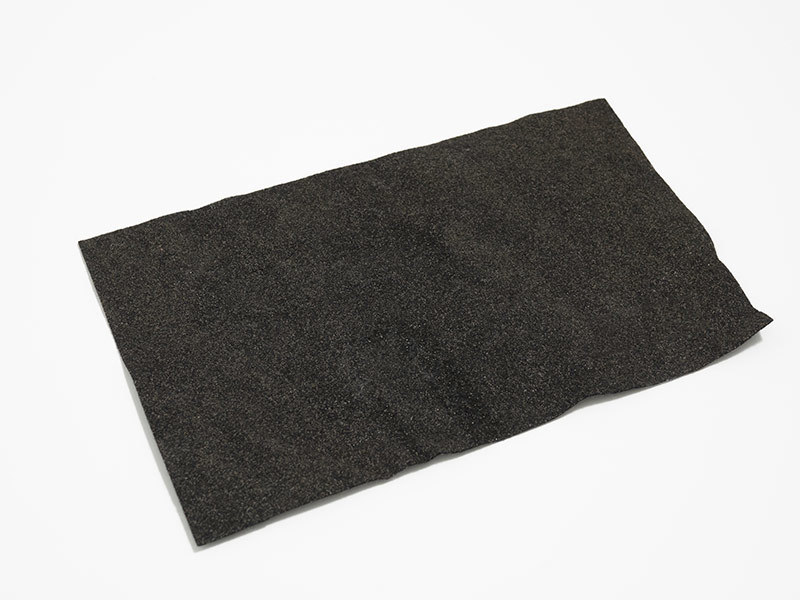
Nonwoven materials are engineered fabrics made from fibers that are bonded together through various processes, such as heat, chemical treatment, or mechanical means. Unlike traditional woven fabrics, nonwoven materials do not require weaving processes, which allows for unique properties suited for various applications, including sound absorption.
Soundproof nonwoven materials are specifically designed to reduce noise pollution inside vehicles. Their layered structure, combined with specific fiber types and densities, enables them to absorb sound waves effectively, significantly enhancing the comfort of the driving environment.
The Importance of Soundproofing in Cars
Soundproofing plays a crucial role in vehicle comfort and performance. Here are several reasons why soundproofing is important:
Enhancing Passenger Comfort
Excessive noise from the road, wind, and mechanical components can lead to discomfort during travel. Soundproofing ensures a quieter cabin, allowing passengers to enjoy conversations, music, and overall relaxation while on the road.
Improving Audio Quality
A quieter environment enhances the quality of the audio system. Soundproof nonwoven materials help minimize interference from external noise, allowing drivers and passengers to enjoy crystal-clear sound quality.
Reducing Driver Fatigue
Continual exposure to noise can lead to fatigue, making driving a tiring experience. By implementing soundproofing measures, drivers can experience reduced fatigue levels, leading to safer journeys.
Benefits of Soundproof Nonwoven Materials
1. Superior Sound Absorption
Soundproof nonwoven materials are designed to have excellent sound absorption properties. Their unique structure absorbs sound waves, preventing them from bouncing around the vehicle cabin.
2. Lightweight and Flexible
Traditional soundproofing materials can be heavy and cumbersome. In contrast, nonwoven materials are lightweight and flexible, making them easy to install without adding significant weight to the vehicle.
3. Moisture Resistance
Many nonwoven soundproofing materials are resistant to moisture, preventing mold and mildew growth, which is essential for maintaining a healthy and clean vehicle environment.
4. Cost-Effective Solution
Soundproof nonwoven materials are often more affordable than traditional soundproofing solutions, providing an effective method to enhance acoustic performance without breaking the bank.
5. Eco-Friendly Options
With an increased focus on sustainability, many nonwoven materials are now made from recycled fibers or biodegradable substances, making them an eco-friendly choice for the environmentally conscious consumer.
Applications of Soundproof Nonwoven Materials in Vehicles
Soundproof nonwoven materials can be applied in various areas of a vehicle to enhance sound insulation:
1. Underlayment for Floor Mats
Applying nonwoven materials as underlayment beneath floor mats helps absorb vibrations and dampen road noise. This application is particularly beneficial in larger vehicles where cabin noise can be more pronounced.
2. Door Panels
Using soundproof nonwoven materials in door panels can significantly reduce noise entering the cabin from outside. This application ensures passengers enjoy a quieter ride while enhancing the overall aesthetic of the vehicle's interior.
3. Headliners
Nonwoven materials can also be incorporated into vehicle headliners, providing additional sound insulation while contributing to the overall weight reduction of the vehicle.
4. Wheel Wells
Installing soundproof nonwoven materials in wheel wells helps absorb noise generated by tires and the road, further enhancing acoustic comfort.
How to Install Soundproof Nonwoven Materials
Installing soundproof nonwoven materials can be a straightforward process. Below are some key steps to ensure an effective installation:
1. Gather Necessary Tools and Materials
Before starting the installation, gather all necessary tools, including scissors, adhesive spray or double-sided tape, a utility knife, and safety gear such as gloves and goggles.
2. Prepare the Installation Area
Thoroughly clean the surfaces where the nonwoven materials will be applied. Remove any dirt, dust, or old materials to ensure proper adhesion.
3. Measure and Cut the Nonwoven Material
Carefully measure the areas where you will install the nonwoven material, then cut it to size using scissors or a utility knife. Ensure that the pieces fit snugly without gaps.
4. Apply Adhesive
Apply adhesive spray or double-sided tape to one side of the nonwoven material and to the surface where it will be installed. Allow the adhesive to become tacky if necessary, based on the product instructions.
5. Install the Nonwoven Material
Carefully press the nonwoven material into place, smoothing out any wrinkles or bubbles. Ensure that the material is securely attached to maximize sound absorption.
6. Final Inspection
After installation, inspect the areas to ensure everything is properly adhered and there are no gaps. Allow the adhesive to cure as per the manufacturer's instructions before using the vehicle.
Common Misconceptions About Soundproofing
As with any industry, several misconceptions surround soundproofing materials. Here are a few common myths:
Myth 1: All Soundproofing Materials Are the Same
Not all soundproofing materials offer the same level of performance. It is crucial to choose specialized nonwoven materials designed for effective sound absorption.
Myth 2: Soundproofing Is Only for Luxury Vehicles
Soundproofing can enhance comfort in any vehicle type, not just luxury models. Affordable soundproof nonwoven materials are available for all budgets.
Myth 3: Soundproofing Is a DIY Task Only
While some aspects of soundproofing can be done as a DIY project, consulting a professional for installation can ensure optimal results, especially in complex applications.
Choosing the Right Soundproof Nonwoven Materials
Selecting the right soundproof nonwoven materials is essential for achieving the best results. Here are some factors to consider:
1. Material Composition
Investigate the fiber types used in the nonwoven materials. Fibers like polyester and polypropylene are known for their sound-absorbing properties.
2. Density and Thickness
Select materials with appropriate density and thickness based on the specific application within the vehicle. Denser materials generally offer better sound absorption.
3. Environmental Impact
Consider eco-friendly options made from recycled or biodegradable materials, ensuring your soundproofing efforts align with sustainability goals.
4. Cost vs. Performance
Balance cost with performance. While cheaper materials may seem appealing, investing in high-quality nonwoven materials can yield better long-term results.
FAQs
1. What is the difference between woven and nonwoven soundproof materials?
Woven materials are made through traditional weaving processes, while nonwoven materials are bonded using various methods, creating unique properties beneficial for sound absorption.
2. How can I tell if my car needs soundproofing?
If you notice excessive road noise, difficulty hearing conversations, or audio distortions, your vehicle may benefit from soundproofing measures.
3. Is professional installation recommended for soundproofing materials?
While DIY installation is possible, professional installation can ensure optimal performance and longevity, especially for complex applications.
4. How long do soundproof nonwoven materials last?
With proper installation and care, soundproof nonwoven materials can last many years, maintaining their effectiveness over time.
5. Can soundproofing materials affect vehicle weight?
While some soundproofing materials can add weight, soundproof nonwoven materials are designed to be lightweight, minimizing impact on vehicle performance.
Conclusion
Soundproof nonwoven materials offer a practical and effective solution for enhancing the acoustic comfort of vehicles. Their unique properties provide superior sound absorption while being lightweight, flexible, and cost-effective. By understanding their applications, installation methods, and the benefits they bring, automotive enthusiasts can create a quieter and more enjoyable driving experience. Whether you’re looking to improve passenger comfort or enhance audio quality, investing in soundproof nonwoven materials is a wise decision that pays dividends in comfort and enjoyment.
Tag:
Recommended news
Unlocking the Potential of Non-Woven Customization in Textile Industry

Contact Information
Postcode:211400
Address:Tian'an Village, Xinji Town, Yizheng City


QR code
QR
TikTok