

-
-
-
Solution

-
-
Contact Us
Understanding Car Seat Heating Pad Substrates: The Key to Comfort and Safety
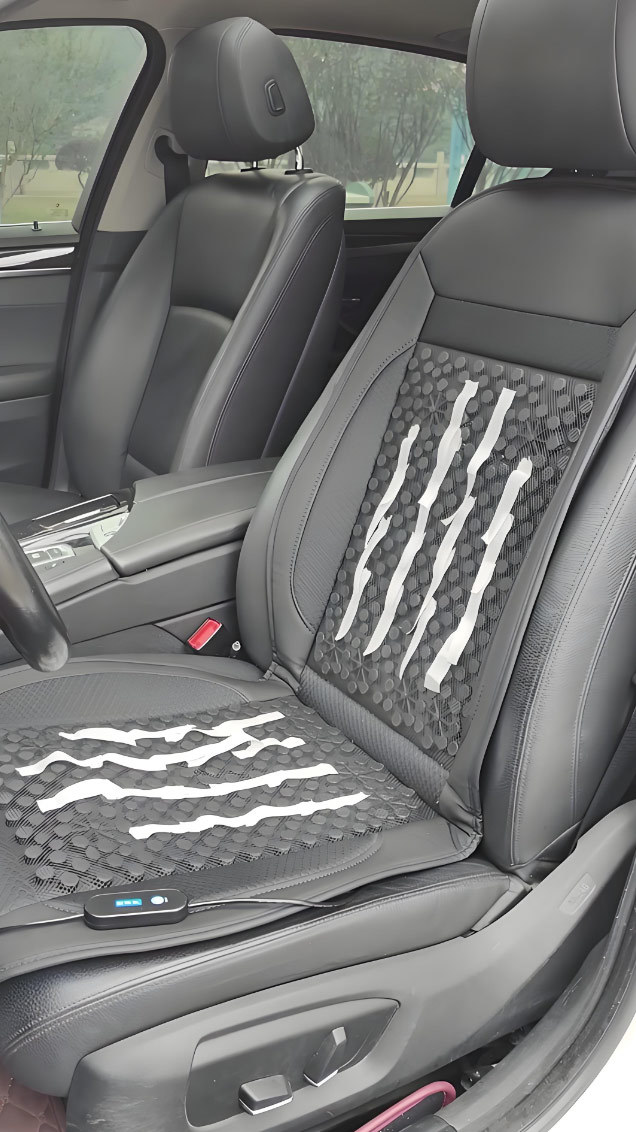
Car seat heating pad substrates play a crucial role in enhancing the comfort and safety of automotive seating. These substrates are integral to the operation of heated seat systems, which provide warmth during cold weather, making every drive more enjoyable. Understanding the properties and types of materials used in these substrates can help consumers make informed decisions when it comes to their vehicle's comfort systems.
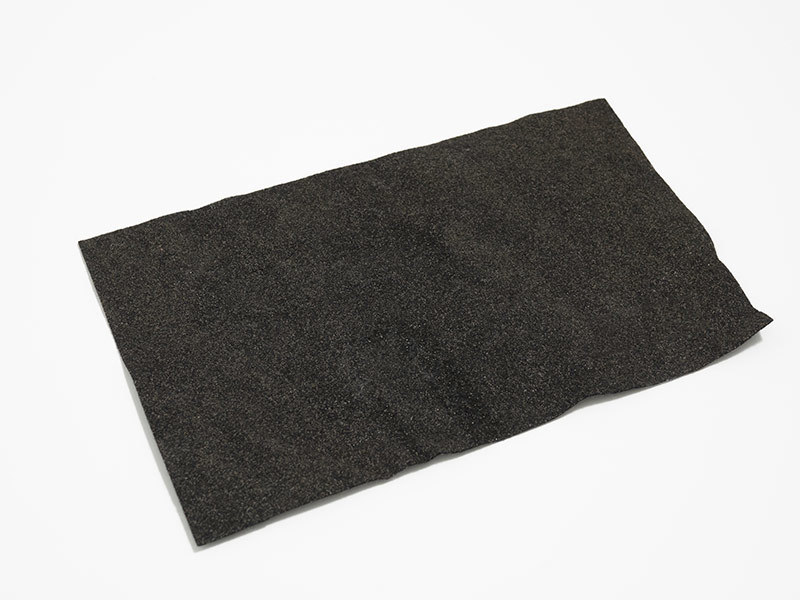
The primary function of a car seat heating pad substrate is to act as a base layer that supports the heating elements. Typically, these substrates are made from non-woven fabrics, which are known for their durability and flexibility. Non-woven materials offer several advantages, such as being lightweight, breathable, and resistant to wear and tear. Because they do not require weaving or knitting, non-woven fabrics can be produced in various thicknesses and textures, catering to different heating pad specifications.
In addition to their structural benefits, the choice of substrate material can significantly influence the efficiency of heat distribution. A well-designed heating pad substrate ensures that heat is evenly spread across the seat surface, providing consistent warmth to the occupant. Moreover, it plays a vital role in insulation, helping to retain heat while protecting the electrical components of the heating system. This is particularly important in automotive applications, where safety and reliability are paramount.
When considering car seat heating pad substrates, it’s also essential to account for factors such as temperature regulation and user comfort. Some advanced substrates may include temperature-sensitive materials that can adapt to the user's preferences, enhancing the overall experience. Additionally, the ease of cleaning and maintenance is a crucial factor, as car interiors are often subject to spills and dirt.
Moreover, sustainability has become an increasingly important consideration in the textile industry. Many manufacturers are now exploring eco-friendly alternatives for heating pad substrates, aiming to reduce the environmental impact while maintaining performance. This includes using recycled materials or developing biodegradable options, which appeal to environmentally conscious consumers.
In summary, the substrate of car seat heating pads is vital for achieving optimal comfort and safety in vehicles. By understanding the various materials and their properties, consumers can make informed choices that enhance their driving experience. Investing in high-quality non-woven substrates not only contributes to effective heat management but also aligns with modern standards of durability and sustainability.
The primary function of a car seat heating pad substrate is to act as a base layer that supports the heating elements. Typically, these substrates are made from non-woven fabrics, which are known for their durability and flexibility. Non-woven materials offer several advantages, such as being lightweight, breathable, and resistant to wear and tear. Because they do not require weaving or knitting, non-woven fabrics can be produced in various thicknesses and textures, catering to different heating pad specifications.
In addition to their structural benefits, the choice of substrate material can significantly influence the efficiency of heat distribution. A well-designed heating pad substrate ensures that heat is evenly spread across the seat surface, providing consistent warmth to the occupant. Moreover, it plays a vital role in insulation, helping to retain heat while protecting the electrical components of the heating system. This is particularly important in automotive applications, where safety and reliability are paramount.
When considering car seat heating pad substrates, it’s also essential to account for factors such as temperature regulation and user comfort. Some advanced substrates may include temperature-sensitive materials that can adapt to the user's preferences, enhancing the overall experience. Additionally, the ease of cleaning and maintenance is a crucial factor, as car interiors are often subject to spills and dirt.
Moreover, sustainability has become an increasingly important consideration in the textile industry. Many manufacturers are now exploring eco-friendly alternatives for heating pad substrates, aiming to reduce the environmental impact while maintaining performance. This includes using recycled materials or developing biodegradable options, which appeal to environmentally conscious consumers.
In summary, the substrate of car seat heating pads is vital for achieving optimal comfort and safety in vehicles. By understanding the various materials and their properties, consumers can make informed choices that enhance their driving experience. Investing in high-quality non-woven substrates not only contributes to effective heat management but also aligns with modern standards of durability and sustainability.
Tag:
Recommended news
Unlocking the Potential of Non-Woven Customization in Textile Industry
The realm of non-woven customization presents an array of opportunities for professionals in the textile industry. Non-woven fabrics, unlike traditional woven textiles, are made by bonding fibers together through mechanical, thermal, or chemical means. This unique manufacturing process allows for a myriad of customized solutions that can cater to specific needs across various applications.
One of

Contact Information
Postcode:211400
Address:Tian'an Village, Xinji Town, Yizheng City


QR code
QR
TikTok