

-
-
-
Solution

-
-
Contact Us
Exploring the Benefits of Car Roof Non-Woven Fabric: A Comprehensive Guide
Exploring the Benefits of Car Roof Non-Woven Fabric
Introduction to Non-Woven Fabrics in the Automotive Industry
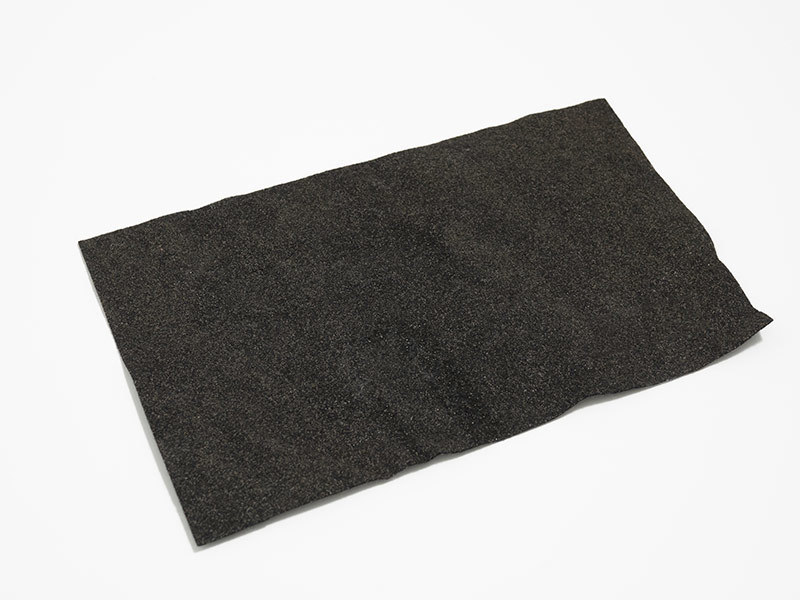
The automotive industry continuously seeks innovative materials to enhance vehicle performance and aesthetics. One such material gaining traction is **non-woven fabric**, particularly for car roofs. Non-woven fabrics are engineered materials made from fibers that are bonded together, rather than woven. This unique construction provides a range of benefits that traditional woven fabrics simply cannot match.
The Composition of Non-Woven Fabrics
Non-woven fabrics are produced by layering fibers and binding them through various methods such as thermal bonding, chemical bonding, or mechanical bonding. This results in a material that is lightweight yet robust, making it ideal for car roofs. The composition typically includes synthetic fibers like polyester and polypropylene, which contribute to the fabric's durability and resistance to wear.
Key Properties of Non-Woven Fabrics
When considering non-woven fabrics for car roofs, several key properties set them apart:
1. Durability
Non-woven fabrics are designed to withstand the rigors of daily use. They exhibit excellent resistance to tearing and abrasion, ensuring that the car roof maintains its integrity over time.
2. Lightweight Design
One of the standout features of non-woven fabric is its lightweight nature. This contributes to overall vehicle weight reduction, which can enhance fuel efficiency and performance.
3. Sound and Thermal Insulation
Non-woven fabrics excel in sound absorption and thermal insulation. This means quieter rides and improved temperature control within the vehicle, enhancing passenger comfort.
4. Design Versatility
Available in a variety of colors and textures, non-woven fabrics allow manufacturers to create visually appealing interiors. The adaptability of these materials supports various design aesthetics, from modern to classic.
Environmental Benefits of Non-Woven Fabrics
As sustainability becomes increasingly important in the automotive sector, non-woven fabrics offer several environmental advantages.
1. Reduced Material Waste
The manufacturing process of non-woven fabrics generates minimal waste compared to traditional woven textiles. This eco-friendliness appeals to manufacturers aiming to lower their environmental impact.
2. Recyclability
Many non-woven fabrics can be recycled or reused, contributing to a circular economy. By choosing recyclable materials, automotive manufacturers can improve their sustainability initiatives.
3. Lower Carbon Footprint
The production of non-woven fabrics often requires less energy and fewer resources than that of woven alternatives. This leads to a lower carbon footprint, making it a more sustainable choice for car roofing.
Advantages of Non-Woven Fabric for Car Roofs
The transition to non-woven fabrics offers numerous advantages for both manufacturers and consumers.
1. Cost-Effectiveness
Although the initial investment may vary, non-woven fabrics often prove to be more cost-effective over time due to their durability and low maintenance requirements. Manufacturers can reduce replacement costs associated with wear and tear.
2. Enhanced Aesthetic Appeal
Non-woven fabrics provide a sleek, modern look that can elevate the interior design of any vehicle. The variety of textures and colors allows for creative expression, appealing to diverse customer preferences.
3. Improved Comfort
With their superior insulation properties, non-woven fabrics contribute to a more comfortable driving experience. Passengers benefit from reduced noise levels and a more stable temperature within the cabin.
Challenges and Considerations
While non-woven fabrics present numerous benefits, there are challenges and considerations that manufacturers must address.
1. Temperature Sensitivity
Certain non-woven fabrics may be sensitive to extreme temperatures. Manufacturers must ensure that the selected fabric can withstand the conditions it will face in a vehicle.
2. Moisture Absorption
Non-woven fabrics can absorb moisture, which may lead to issues like mold growth if not properly treated. Manufacturers should select water-resistant or moisture-wicking options to mitigate this risk.
Applications of Non-Woven Fabrics in Automotive Interiors
Non-woven fabrics are versatile and can be used in various applications beyond just car roofs.
1. Headliners
Used extensively in headliners, non-woven fabrics provide a lightweight and durable option that enhances both aesthetics and functionality.
2. Soundproofing Materials
Manufacturers often utilize non-woven fabrics as soundproofing materials within doors and floors to minimize external noise.
3. Upholstery
In seating and upholstery applications, non-woven fabrics deliver comfort and support, adding to the overall vehicle experience.
Future Trends in Non-Woven Fabrics
The future of non-woven fabrics in the automotive industry looks promising.
1. Smart Fabrics
Emerging technologies are paving the way for smart non-woven fabrics that can monitor vehicle conditions, enhancing safety and functionality.
2. Sustainable Innovations
As the demand for sustainable materials grows, manufacturers will likely develop new non-woven fabrics made from bio-based or recycled materials.
3. Customization Options
Advancements in manufacturing techniques will enable more personalized and customized non-woven fabric offerings, catering to individual consumer preferences.
Frequently Asked Questions (FAQs)
1. What are non-woven fabrics made of?
Non-woven fabrics are composed of synthetic fibers, primarily polyester and polypropylene, which are bonded together without traditional weaving methods.
2. Why choose non-woven fabric for car roofs?
Non-woven fabrics offer benefits such as durability, lightweight design, sound insulation, and aesthetic versatility, making them ideal for automotive applications.
3. Are non-woven fabrics environmentally friendly?
Yes, non-woven fabrics can be produced with minimal waste and can often be recycled, contributing to sustainable practices in the automotive industry.
4. How do non-woven fabrics compare to woven fabrics?
Non-woven fabrics are generally more durable, lightweight, and versatile than woven fabrics, making them a preferable choice for many automotive applications.
5. Can non-woven fabrics be customized?
Absolutely. Non-woven fabrics are available in various colors and textures, allowing for customization to suit different design preferences in vehicle interiors.
Conclusion
In conclusion, the integration of **non-woven fabric** in car roofs and other automotive applications presents numerous benefits that enhance vehicle performance, aesthetics, and sustainability. With their durability, sound insulation properties, and eco-friendly characteristics, non-woven fabrics are reshaping the landscape of automotive interiors. As manufacturers continue to innovate, the future looks bright for non-woven fabrics, promising even more exciting advancements in design and functionality for car enthusiasts and eco-conscious consumers alike. Embracing these materials not only benefits manufacturers but also enriches the overall driving experience, paving the way for a greener, more efficient automotive industry.
Tag:
Recommended news
Unlocking the Potential of Non-Woven Customization in Textile Industry
The realm of non-woven customization presents an array of opportunities for professionals in the textile industry. Non-woven fabrics, unlike traditional woven textiles, are made by bonding fibers together through mechanical, thermal, or chemical means. This unique manufacturing process allows for a myriad of customized solutions that can cater to specific needs across various applications.
One of

Contact Information
Postcode:211400
Address:Tian'an Village, Xinji Town, Yizheng City


QR code
QR
TikTok