

-
-
-
Solution

-
-
Contact Us
Exploring the Versatility of Non-Woven Fabric for Car Trunks
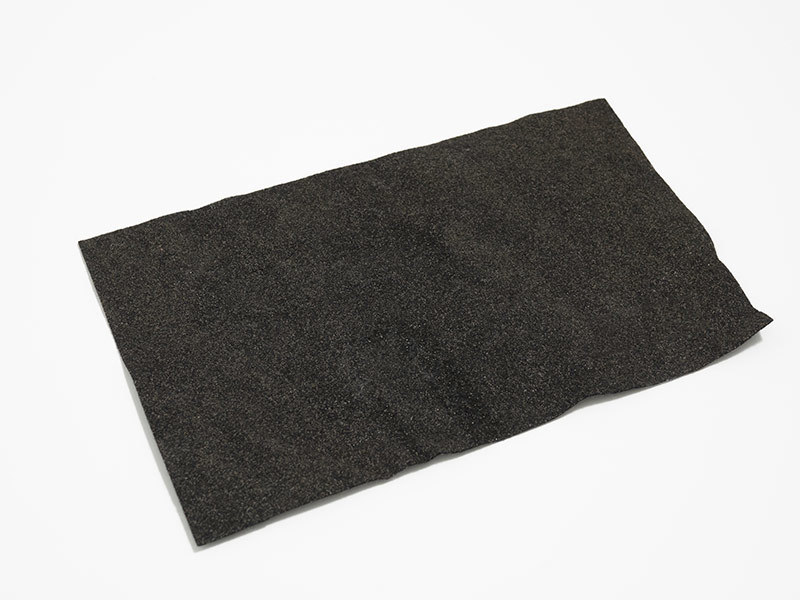
Non-woven fabric for car trunks has emerged as an essential material in the automotive industry, delivering a range of advantages that cater to both manufacturers and consumers. One of the primary attributes of non-woven fabric is its lightweight nature, which contributes to overall vehicle efficiency by reducing weight without compromising durability. This quality makes it an ideal choice for car trunks, where strength and resilience are crucial for withstanding the rigors of daily use.
Another significant benefit of non-woven fabric is its versatility. It can be engineered to exhibit various properties, such as water resistance, sound absorption, and thermal insulation. This ability to customize non-woven fabric for specific applications makes it particularly appealing for car trunk manufacturers who aim to enhance the functionality and comfort of their products. For instance, incorporating water-resistant non-woven materials can protect stored items from spills and moisture, while sound-absorbing variants can help minimize noise from the trunk area, contributing to a quieter cabin experience.
Furthermore, non-woven fabric is often more eco-friendly compared to traditional woven fabrics. Many non-woven options are made from recycled materials or can be recycled after their use, aligning with the growing demand for sustainable practices within the automotive sector. By utilizing non-woven fabric for car trunks, manufacturers can not only meet regulatory requirements but also appeal to environmentally conscious consumers.
Additionally, the manufacturing process of non-woven fabric is generally less resource-intensive than that of woven fabrics. This efficiency leads to quicker production times and reduced costs, allowing for more competitive pricing and shorter lead times for vehicle production. For automotive companies, this means the ability to respond swiftly to market demands while maintaining product quality.
The aesthetic appeal of non-woven fabric should not be overlooked either. Available in a variety of colors and textures, non-woven materials can be tailored to fit the design ethos of modern vehicles. This flexibility allows for innovative designs that can enhance the overall look and feel of car interiors, making the trunk space not just functional but also visually appealing.
In conclusion, non-woven fabric for car trunks is transforming the automotive landscape with its lightweight, versatile, and eco-friendly characteristics. As professionals in the textile industry explore the applications of non-woven materials, they can unlock new opportunities for enhancing vehicle performance and customer satisfaction. Embracing this innovative fabric can lead to a more sustainable and aesthetically pleasing future for automotive interiors.
Another significant benefit of non-woven fabric is its versatility. It can be engineered to exhibit various properties, such as water resistance, sound absorption, and thermal insulation. This ability to customize non-woven fabric for specific applications makes it particularly appealing for car trunk manufacturers who aim to enhance the functionality and comfort of their products. For instance, incorporating water-resistant non-woven materials can protect stored items from spills and moisture, while sound-absorbing variants can help minimize noise from the trunk area, contributing to a quieter cabin experience.
Furthermore, non-woven fabric is often more eco-friendly compared to traditional woven fabrics. Many non-woven options are made from recycled materials or can be recycled after their use, aligning with the growing demand for sustainable practices within the automotive sector. By utilizing non-woven fabric for car trunks, manufacturers can not only meet regulatory requirements but also appeal to environmentally conscious consumers.
Additionally, the manufacturing process of non-woven fabric is generally less resource-intensive than that of woven fabrics. This efficiency leads to quicker production times and reduced costs, allowing for more competitive pricing and shorter lead times for vehicle production. For automotive companies, this means the ability to respond swiftly to market demands while maintaining product quality.
The aesthetic appeal of non-woven fabric should not be overlooked either. Available in a variety of colors and textures, non-woven materials can be tailored to fit the design ethos of modern vehicles. This flexibility allows for innovative designs that can enhance the overall look and feel of car interiors, making the trunk space not just functional but also visually appealing.
In conclusion, non-woven fabric for car trunks is transforming the automotive landscape with its lightweight, versatile, and eco-friendly characteristics. As professionals in the textile industry explore the applications of non-woven materials, they can unlock new opportunities for enhancing vehicle performance and customer satisfaction. Embracing this innovative fabric can lead to a more sustainable and aesthetically pleasing future for automotive interiors.
Tag:
Recommended news
Unlocking the Potential of Non-Woven Customization in Textile Industry
The realm of non-woven customization presents an array of opportunities for professionals in the textile industry. Non-woven fabrics, unlike traditional woven textiles, are made by bonding fibers together through mechanical, thermal, or chemical means. This unique manufacturing process allows for a myriad of customized solutions that can cater to specific needs across various applications.
One of
Contact Information
Postcode:211400
Address:Tian'an Village, Xinji Town, Yizheng City


QR code
QR
TikTok