

-
-
-
Solution

-
-
Contact Us
How Non-Woven Fabrics Enhance Sound Insulation in Car Interiors
How Non-Woven Fabrics Enhance Sound Insulation in Car Interiors
Table of Contents
- Introduction to Non-Woven Fabrics in Automotive Applications
- The Importance of Sound Insulation in Vehicles
- What Are Non-Woven Fabrics?
- Mechanisms of Sound Insulation in Non-Woven Fabrics
- Applications of Non-Woven Fabrics in Automotive Interiors
- Benefits of Using Non-Woven Fabrics for Sound Insulation
- Challenges in Implementing Non-Woven Fabrics
- Future Trends in Non-Woven Fabric Technology
- Conclusion
- FAQs About Non-Woven Fabrics and Sound Insulation
Introduction to Non-Woven Fabrics in Automotive Applications
The automotive industry continuously seeks innovative materials to enhance vehicle performance, comfort, and efficiency. Among these materials, **non-woven fabrics** have gained prominence for their unique properties and applications. Their ability to enhance **sound insulation** results in quieter cabin environments, improving the overall driving experience. This article delves into how non-woven fabrics contribute to sound insulation in car interiors, highlighting their benefits, applications, and future potential.
The Importance of Sound Insulation in Vehicles
Sound insulation is critical in automotive design, affecting both driver comfort and passenger experience. The noise generated by engine operation, wind resistance, and road conditions can significantly impact how enjoyable a ride is. Effective sound insulation not only minimizes distractions but also enhances safety by allowing the driver to hear vital external sounds. Moreover, quieter cabins contribute to a more luxurious feel, making vehicles more attractive to consumers.
To achieve optimal sound insulation, manufacturers must consider various materials. Non-woven fabrics, with their unique structural characteristics, are increasingly being recognized as an effective solution for reducing noise levels within car interiors.
What Are Non-Woven Fabrics?
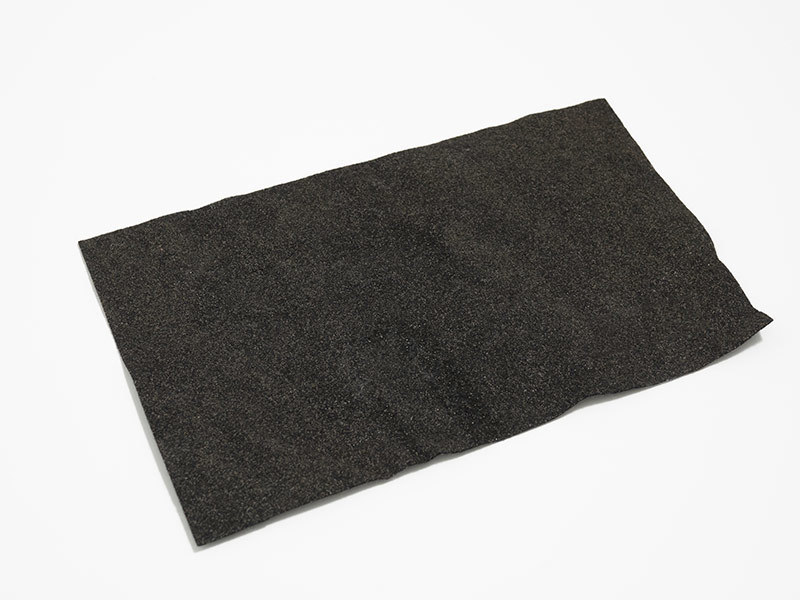
Non-woven fabrics are engineered textiles produced by bonding fibers together through various methods, such as heat, chemical, or mechanical processes. Unlike woven fabrics, which are made by interlacing threads, non-woven fabrics can be created from a range of fibers, including polyester, polypropylene, and natural fibers. This versatility allows manufacturers to design specific characteristics for different applications.
In the automotive industry, non-woven fabrics are often used for sound insulation, thermal insulation, and as backing materials for various interior elements such as carpets, headliners, and door panels. Their lightweight structure and ability to absorb sound make them invaluable for enhancing vehicle acoustics.
Mechanisms of Sound Insulation in Non-Woven Fabrics
Understanding how non-woven fabrics contribute to sound insulation involves examining the **mechanisms** through which sound is absorbed and dissipated. Key mechanisms include:
1. Absorption
Non-woven fabrics possess a porous structure that allows sound waves to penetrate the material. As sound waves travel through the fabric, they encounter resistance, which dissipates the sound energy and reduces noise levels inside the vehicle.
2. Damping
The fibers in non-woven fabrics can absorb vibrations, thus dampening the sound that resonates throughout the vehicle structure. This dampening effect is crucial for minimizing noise generated from the engine and road surfaces.
3. Reflection
While absorption and damping are critical, non-woven fabrics can also reflect sound waves, helping to create a balance between absorption and retention. This characteristic is particularly beneficial for creating a harmonious acoustic environment within the vehicle.
Applications of Non-Woven Fabrics in Automotive Interiors
Non-woven fabrics are utilized in various parts of vehicle interiors to enhance sound insulation. Some common applications include:
1. Floor Mats and Carpets
Non-woven fabrics are often used in floor mats and carpets as they provide excellent sound absorption properties while also being durable and resistant to wear.
2. Door Panels
The integration of non-woven materials in door panels helps significantly reduce external noise, enhancing privacy and comfort for passengers.
3. Headliners
Non-woven fabrics in headliners not only contribute to sound insulation but also provide a lightweight solution for reducing overall vehicle weight, which can improve fuel efficiency.
4. Engine Covers
In engine compartments, non-woven fabrics are engineered to withstand high temperatures while also minimizing engine noise.
5. Trunk Liners
Trunk liners made from non-woven fabrics play a role in dampening sound from the trunk area, aiding in creating a quieter cabin.
Benefits of Using Non-Woven Fabrics for Sound Insulation
The incorporation of non-woven fabrics into automotive interiors comes with numerous advantages:
1. Lightweight Design
Non-woven fabrics are lightweight, contributing to overall vehicle weight reduction, which is essential for improving fuel economy.
2. Cost-Effectiveness
These fabrics are generally more cost-effective to produce than other sound insulation materials, making them an attractive option for manufacturers.
3. Versatile Applications
Their adaptability allows manufacturers to tailor non-woven fabrics for specific acoustic needs, leading to enhanced performance across various vehicle models.
4. Environmental Sustainability
With the increasing emphasis on sustainability, many non-woven fabrics are now produced from recycled materials or natural fibers, aligning with eco-friendly initiatives in the automotive industry.
5. Enhanced Comfort
By significantly reducing noise levels, non-woven fabrics contribute to a more serene driving experience, ultimately enhancing passenger comfort.
Challenges in Implementing Non-Woven Fabrics
Despite their advantages, there are challenges associated with the use of non-woven fabrics in automotive applications. Key challenges include:
1. Performance Consistency
Ensuring consistent sound insulation performance across different batches of non-woven fabrics can be challenging due to variations in fiber composition and manufacturing processes.
2. Durability
While non-woven fabrics can be durable, they must withstand environmental factors such as moisture, heat, and wear over time to maintain their sound insulation properties.
3. Regulatory Compliance
Adhering to automotive regulations regarding materials and safety can pose challenges for manufacturers in selecting and utilizing non-woven fabrics.
Solutions to these challenges involve ongoing research and development to enhance fabric formulations, manufacturing techniques, and testing methodologies to ensure compliance and performance.
Future Trends in Non-Woven Fabric Technology
As technology advances, the future of non-woven fabrics in automotive sound insulation looks promising. Several trends are emerging:
1. Smart Fabrics
The integration of smart technologies, such as embedded sensors, can revolutionize how non-woven fabrics interact with sound, allowing for real-time adjustments in sound insulation performance.
2. Enhanced Sustainability
The push for sustainability will drive further development of non-woven fabrics made from biodegradable or recycled materials, reducing the environmental footprint of automotive manufacturing.
3. Advanced Testing Methods
Innovative testing methodologies will lead to better understanding and optimization of non-woven fabrics, ensuring they meet the evolving demands of the automotive industry.
4. Customization
As manufacturers seek to differentiate their vehicles, customized non-woven fabrics tailored to specific sound insulation needs will become increasingly prevalent.
Conclusion
Non-woven fabrics play a pivotal role in enhancing sound insulation within car interiors. Their unique properties, coupled with the demand for quieter, more comfortable driving experiences, position them as essential components in automotive design. As the industry continues to innovate, non-woven fabrics will undoubtedly evolve, becoming more effective and sustainable. By understanding their mechanisms and applications, manufacturers can harness the full potential of non-woven fabrics to create superior vehicle interiors.
FAQs About Non-Woven Fabrics and Sound Insulation
1. What are non-woven fabrics made of?
Non-woven fabrics can be made from various fibers, including polyester, polypropylene, and natural fibers, depending on the desired properties for specific applications.
2. How do non-woven fabrics improve sound insulation?
Non-woven fabrics improve sound insulation through mechanisms like sound absorption, vibration damping, and sound wave reflection, effectively reducing noise levels in car interiors.
3. Are non-woven fabrics environmentally friendly?
Many non-woven fabrics are produced from recycled or biodegradable materials, aligning with sustainability goals in the automotive industry.
4. Can non-woven fabrics be customized for specific vehicles?
Yes, non-woven fabrics can be tailored to meet specific sound insulation needs, making them versatile for various automotive designs.
5. What challenges exist in using non-woven fabrics for sound insulation?
Challenges include ensuring consistent performance, durability against environmental factors, and compliance with automotive regulations. Ongoing research and development aim to address these issues.
Tag:
Recommended news
Unlocking the Potential of Non-Woven Customization in Textile Industry
The realm of non-woven customization presents an array of opportunities for professionals in the textile industry. Non-woven fabrics, unlike traditional woven textiles, are made by bonding fibers together through mechanical, thermal, or chemical means. This unique manufacturing process allows for a myriad of customized solutions that can cater to specific needs across various applications.
One of
Contact Information
Postcode:211400
Address:Tian'an Village, Xinji Town, Yizheng City


QR code
QR
TikTok