

-
-
-
Solution

-
-
Contact Us
Tree Insulation Cloth for Reliable Plant Protection in All Seasons
Advanced Material Structure for Stable Thermal Performance
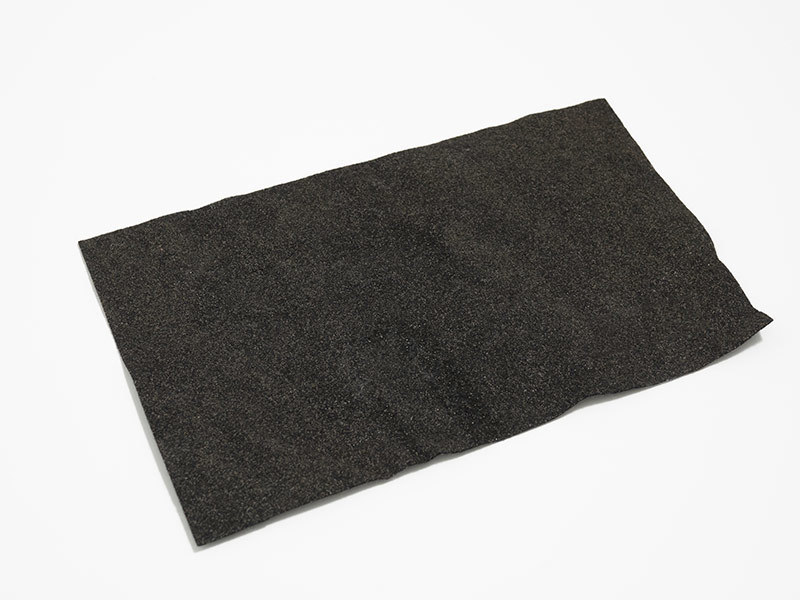
Tree insulation cloth is engineered with multilayer or high-density fiber structures that help maintain a more stable micro-environment around trunks and young branches during periods of frost, wind, or sudden temperature change. The material forms a protective barrier that slows heat loss at night while allowing sufficient air exchange to avoid excessive moisture accumulation. Compared with temporary coverings or loose wraps, this fabric keeps its shape, resists tearing, and continues to perform even after repeated use, making it suitable for orchards, nurseries, landscaping projects, and urban greening programs.
Breathability and Moisture Management
A key advantage of tree insulation cloth is its balance between protection and ventilation. While it shields bark and cambium from freezing injury, it still permits water vapor to escape, reducing the risk of mold, rot, or pest habitat formation. The breathable design supports healthy respiration of the plant, which is especially important for long winter applications or early spring fluctuations. Growers can therefore maintain warmth without creating the damp conditions that sometimes occur with plastic films or non-porous wraps.
Convenient Installation and Reusability
The cloth is lightweight and flexible, allowing workers to wrap trunks quickly and secure them with ties or fasteners. Its adaptability makes it practical for trees of different diameters, from newly planted saplings to mature landscape specimens. After the cold season, the material can be removed, folded, and stored for future use without losing structural integrity. This reusability reduces annual protection costs and simplifies inventory management for agricultural bases and municipal maintenance teams.
Resistance to Weather and External Damage
Outdoor environments expose protective materials to ultraviolet radiation, wind, rain, and mechanical abrasion. Tree insulation cloth is manufactured to withstand these challenges, maintaining tensile strength and surface stability over time. The durable construction prevents cracking or fiber breakdown, ensuring continuous performance throughout extended exposure. Even under fluctuating freeze-thaw cycles, the cloth retains its insulating capacity, offering reliable support for plant survival rates.
Applications Across Agriculture and Landscaping
From fruit orchards and tea plantations to decorative street trees, the product is widely used wherever seasonal cold or temperature variability threatens plant health. It helps reduce frost cracks, sunscald, and transplant stress, while also contributing to better growth recovery once temperatures rise. By improving overwintering success, tree insulation cloth supports higher productivity and lowers replacement costs, making it a practical investment for both commercial growers and public landscape managers.
Recommended news
Unlocking the Potential of Non-Woven Customization in Textile Industry
Contact Information
Postcode:211400
Address:Tian'an Village, Xinji Town, Yizheng City


QR code
QR
TikTok