

-
-
-
Solution

-
-
Contact Us
Enhancing Comfort: The Role of Car Seat Heating Pad Substrates in Textile Innovation
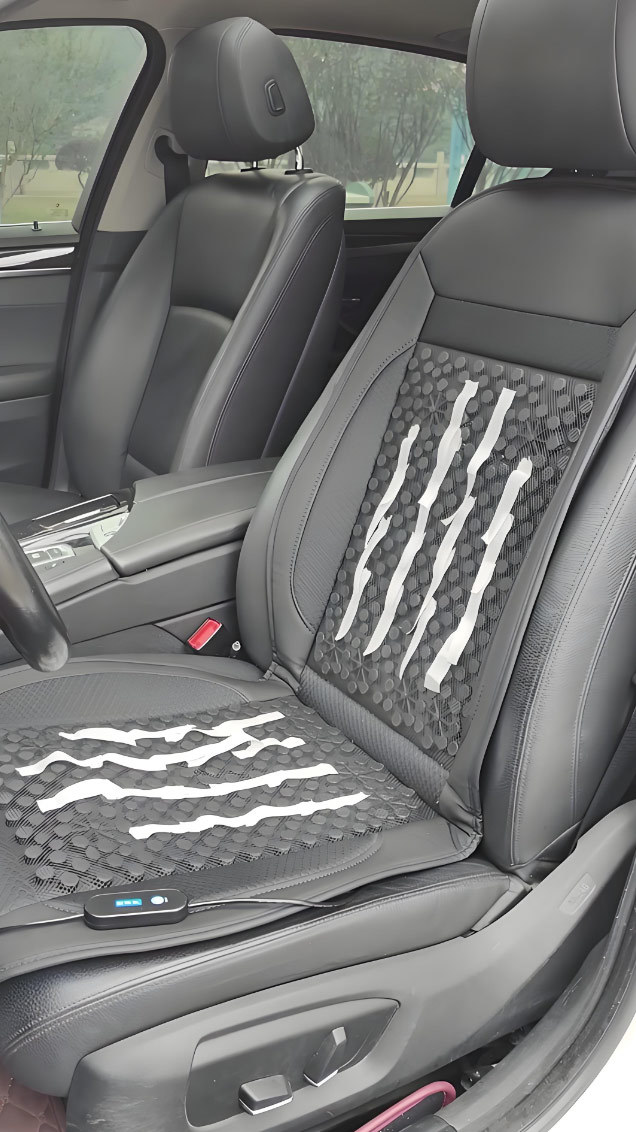
In the automotive industry, comfort is a critical factor influencing consumer satisfaction. One of the remarkable advancements in this domain is the development of car seat heating pad substrates. These substrates serve as integral components that enhance the functionality of heating pads used in car seats, providing warmth and comfort during colder weather conditions. Understanding the materials and technology behind these substrates is essential for manufacturers and designers aiming to innovate in the textile sector.
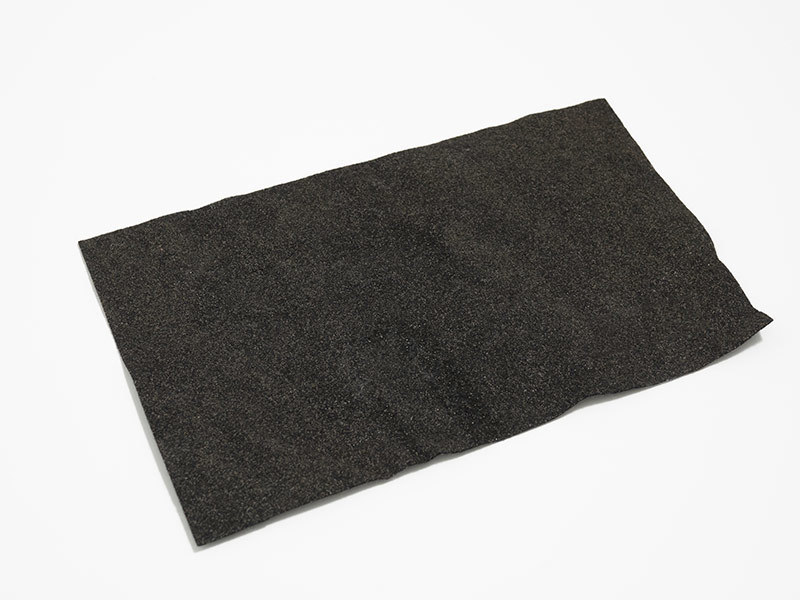
Car seat heating pad substrates are typically made from advanced non-woven fabrics. These materials are specifically engineered to offer excellent insulation properties, ensuring that heat is retained effectively while also being lightweight and flexible. The choice of substrate materials directly affects the heating pad's performance, durability, and user experience. Non-woven fabrics are favored for their ability to distribute heat evenly across the surface, minimizing cold spots and enhancing overall comfort for passengers.
One vital aspect of car seat heating pad substrates is their thermal conductivity. The substrate must allow efficient heat transfer from the heating element to the seat surface while preventing excessive heat loss. Various fibers can be employed to optimize thermal performance, and manufacturers often experiment with different blends to achieve the desired results. Moreover, these substrates are designed to withstand varying temperatures and maintain structural integrity over prolonged use in automotive environments.
In addition to thermal properties, the moisture-wicking capability of the substrate is another critical factor. Effective moisture management prevents discomfort due to perspiration, which can be particularly important during extended drives. Fabrics that can absorb and evaporate moisture enhance the overall user experience, making rides more pleasant regardless of the weather conditions outside.
When selecting car seat heating pad substrates, manufacturers must also consider compliance with automotive safety standards. The materials used should be flame retardant, non-toxic, and have low emissions to ensure safety for all passengers. This consideration not only protects users but also aligns with industry regulations, making it a crucial aspect of product development.
In conclusion, car seat heating pad substrates play a vital role in enhancing comfort and functionality in automotive textiles. By focusing on effective material selection, manufacturers can significantly improve the performance of heating pads, ensuring that users enjoy warmth and comfort during their journeys. As the textile industry continues to evolve, the innovation surrounding these substrates will likely contribute to the overall enhancement of automotive seating experiences, making them an area worth exploring for industry professionals.
Car seat heating pad substrates are typically made from advanced non-woven fabrics. These materials are specifically engineered to offer excellent insulation properties, ensuring that heat is retained effectively while also being lightweight and flexible. The choice of substrate materials directly affects the heating pad's performance, durability, and user experience. Non-woven fabrics are favored for their ability to distribute heat evenly across the surface, minimizing cold spots and enhancing overall comfort for passengers.
One vital aspect of car seat heating pad substrates is their thermal conductivity. The substrate must allow efficient heat transfer from the heating element to the seat surface while preventing excessive heat loss. Various fibers can be employed to optimize thermal performance, and manufacturers often experiment with different blends to achieve the desired results. Moreover, these substrates are designed to withstand varying temperatures and maintain structural integrity over prolonged use in automotive environments.
In addition to thermal properties, the moisture-wicking capability of the substrate is another critical factor. Effective moisture management prevents discomfort due to perspiration, which can be particularly important during extended drives. Fabrics that can absorb and evaporate moisture enhance the overall user experience, making rides more pleasant regardless of the weather conditions outside.
When selecting car seat heating pad substrates, manufacturers must also consider compliance with automotive safety standards. The materials used should be flame retardant, non-toxic, and have low emissions to ensure safety for all passengers. This consideration not only protects users but also aligns with industry regulations, making it a crucial aspect of product development.
In conclusion, car seat heating pad substrates play a vital role in enhancing comfort and functionality in automotive textiles. By focusing on effective material selection, manufacturers can significantly improve the performance of heating pads, ensuring that users enjoy warmth and comfort during their journeys. As the textile industry continues to evolve, the innovation surrounding these substrates will likely contribute to the overall enhancement of automotive seating experiences, making them an area worth exploring for industry professionals.
Tag:
Previous page
Recommended news
Unlocking the Potential of Non-Woven Customization in Textile Industry
The realm of non-woven customization presents an array of opportunities for professionals in the textile industry. Non-woven fabrics, unlike traditional woven textiles, are made by bonding fibers together through mechanical, thermal, or chemical means. This unique manufacturing process allows for a myriad of customized solutions that can cater to specific needs across various applications.
One of
Contact Information
Postcode:211400
Address:Tian'an Village, Xinji Town, Yizheng City


QR code
QR
TikTok