

-
-
-
Solution

-
-
Contact Us
How Non-Woven Fabric Enhances Car Roof Insulation
How Non-Woven Fabric Enhances Car Roof Insulation
Table of Contents
- Introduction to Non-Woven Fabric in Automotive Insulation
- What is Non-Woven Fabric?
- Benefits of Non-Woven Fabric in Vehicles
- Applications of Non-Woven Fabric in Car Roof Insulation
- Manufacturing Process of Non-Woven Fabrics
- Sustainability Aspect of Non-Woven Fabrics
- Future Trends in Non-Woven Fabric Usage in Automotive Industry
- FAQs about Non-Woven Fabric and Car Roof Insulation
- Conclusion
Introduction to Non-Woven Fabric in Automotive Insulation
In the ever-evolving automotive industry, manufacturers are continually seeking innovative materials that enhance performance and passenger comfort. Among these materials, **non-woven fabric** has emerged as a game-changer, particularly in the realm of **car roof insulation**. This article provides a thorough exploration of how non-woven fabrics improve insulation, focusing on their unique properties and applications in vehicles.
What is Non-Woven Fabric?
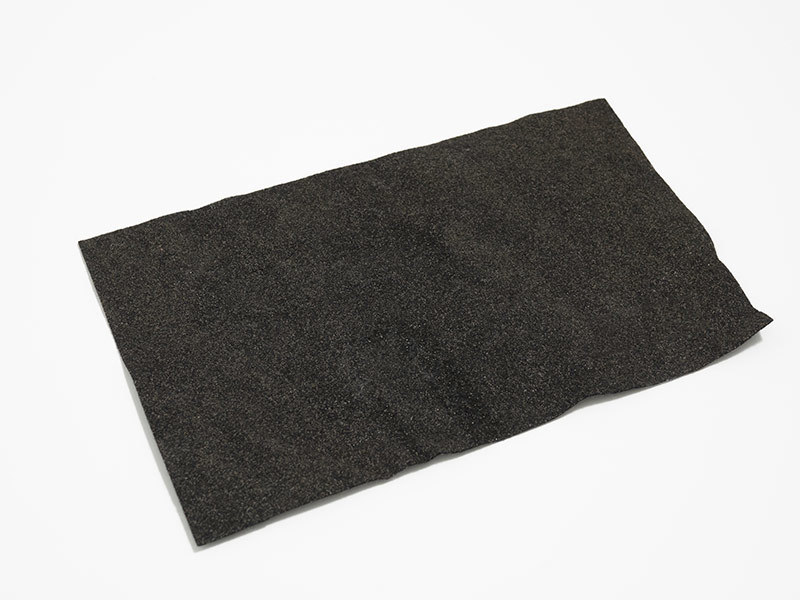
Non-woven fabric is a type of textile made from staple fibers, long fibers, or filaments, which are bonded together through various methods such as mechanical, thermal, or chemical processes. Unlike woven fabrics, non-woven materials do not require the intricate weaving process, making them versatile and cost-effective. This fabric can be engineered to possess specific characteristics, which makes it ideal for automotive applications.
Benefits of Non-Woven Fabric in Vehicles
Non-woven fabric offers a multitude of advantages that significantly enhance the insulation capabilities of car roofs.
Thermal Insulation Properties
One of the primary benefits of non-woven fabric is its excellent thermal insulation properties. This material effectively reduces heat transfer, keeping the interior of the vehicle comfortable regardless of external temperature variations. The **air pockets** created during the manufacturing process contribute to its insulation effectiveness, preventing heat loss in cold weather and minimizing heat gain in hot conditions.
Soundproofing Capabilities
In addition to thermal insulation, non-woven fabrics excel in soundproofing. The structure of these materials helps to dampen vibrations and absorb sound waves, providing a quieter cabin environment. This feature is especially beneficial for enhancing the overall driving experience, as it reduces noise from the engine, road, and external factors, making for a more enjoyable ride.
Lightweight Advantage
Another notable advantage of non-woven fabric is its lightweight nature. In automotive design, reducing the overall weight of a vehicle is crucial for improving fuel efficiency and performance. Non-woven materials provide effective insulation without significantly increasing the vehicle's weight, allowing for better handling and lower emissions.
Applications of Non-Woven Fabric in Car Roof Insulation
The versatility of non-woven fabric leads to its application in various components of car roof insulation.
Roof Lining Solutions
Non-woven fabric is often utilized in roof lining solutions, providing an aesthetically pleasing finish while enhancing insulation. The fabric can be easily shaped and molded to fit various car models, ensuring a seamless look that complements the vehicle's interior design. Additionally, it offers moisture resistance, which protects the vehicle from potential water damage.
Innovative Headliner Designs
In modern automotive designs, headliners serve both functional and decorative purposes. Non-woven fabrics are frequently used in headliners due to their ability to support various finishes and textures. These materials contribute to the lightweight nature of headliners while providing excellent insulation properties, ensuring a comfortable and quiet ride for passengers.
Manufacturing Process of Non-Woven Fabrics
The manufacturing of non-woven fabrics involves several steps that contribute to their unique properties. Raw materials such as polyester, polypropylene, and other synthetic fibers are processed and then bonded together using techniques like needle punching, thermal bonding, or chemical bonding. This process allows manufacturers to create non-woven fabrics with tailored attributes suitable for automotive insulation.
Sustainability Aspect of Non-Woven Fabrics
In today's eco-conscious world, sustainability has become a critical factor in material selection. Many non-woven fabrics are produced from recycled materials, contributing to reduced waste and environmental impact. Moreover, the lightweight nature of these fabrics helps to enhance fuel efficiency, further aligning with sustainable automotive practices. As manufacturers increasingly prioritize eco-friendly solutions, non-woven fabrics are positioned as a preferred choice in vehicle production.
Future Trends in Non-Woven Fabric Usage in Automotive Industry
As technology advances, the automotive industry continues to evolve, and non-woven fabrics are likely to play an even more significant role. Future trends may include the development of smart non-woven materials embedded with sensors that can monitor temperature, sound levels, or even structural integrity. These innovations will enhance the functionality of car roofs and contribute to the overall performance and comfort of vehicles.
FAQs about Non-Woven Fabric and Car Roof Insulation
1. What are the primary benefits of using non-woven fabric for car roof insulation?
Non-woven fabric offers thermal insulation, soundproofing capabilities, and a lightweight structure, enhancing overall passenger comfort and vehicle performance.
2. How does non-woven fabric compare to traditional insulation materials?
Non-woven fabric is generally lighter, more versatile, and can provide superior insulation properties compared to traditional materials like fiberglass or foam.
3. Is non-woven fabric environmentally friendly?
Many non-woven fabrics are made from recycled materials and are designed to reduce waste, making them a more sustainable choice in automotive applications.
4. Can non-woven fabric be customized for different car models?
Yes, non-woven fabrics can be easily molded and shaped to fit various vehicle designs, providing a seamless and tailored fit.
5. What is the future of non-woven fabrics in the automotive industry?
The future may see advancements in smart non-woven materials capable of monitoring environmental factors, alongside continued innovations in sustainable production practices.
Conclusion
In conclusion, the integration of non-woven fabric in car roof insulation represents a significant advancement in automotive design. Its unique properties, including superior thermal insulation, soundproofing capabilities, and lightweight nature, make it an ideal material for enhancing overall vehicle comfort. As sustainability becomes increasingly important, the automotive industry will continue to embrace non-woven fabrics as a viable solution for modern insulation challenges. The future looks promising, with potential innovations set to redefine how we think about automotive materials, ensuring that non-woven fabric will remain at the forefront of vehicle insulation technology.
Tag:
Recommended news
Unlocking the Potential of Non-Woven Customization in Textile Industry
The realm of non-woven customization presents an array of opportunities for professionals in the textile industry. Non-woven fabrics, unlike traditional woven textiles, are made by bonding fibers together through mechanical, thermal, or chemical means. This unique manufacturing process allows for a myriad of customized solutions that can cater to specific needs across various applications.
One of
Contact Information
Postcode:211400
Address:Tian'an Village, Xinji Town, Yizheng City


QR code
QR
TikTok