

-
-
-
Solution

-
-
Contact Us
Exploring the Advantages of Non-Woven Fabric for Car Trunk Applications
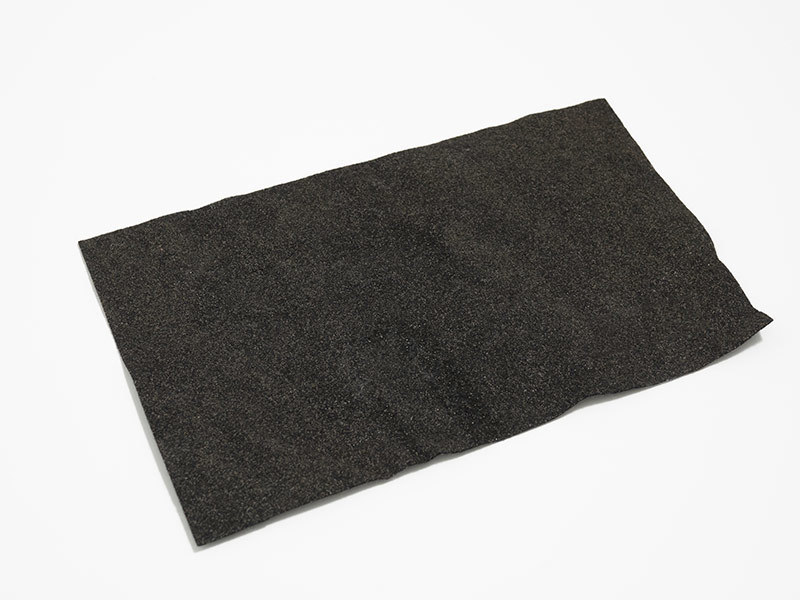
Non-woven fabric has emerged as a versatile material in various industries, including automotive applications. When it comes to car trunks, non-woven fabrics provide remarkable advantages that enhance functionality, organization, and aesthetics. Unlike traditional woven fabrics, non-woven options offer a unique blend of durability and lightweight characteristics, making them an ideal choice for trunk liners and organizers.
One of the most significant benefits of non-woven fabric for car trunk applications is its excellent durability. These fabrics are engineered through processes that bond fibers together, resulting in a strong material that can withstand the wear and tear of everyday use. Car trunks often encounter heavy items, spills, and dirt; non-woven fabric is resistant to such conditions, ensuring longevity and maintaining the trunk’s cleanliness.
In addition to durability, non-woven fabrics offer superior sound absorption qualities. This is particularly important in the automotive environment where noise reduction can significantly enhance the driving experience. By incorporating non-woven materials in car trunks, manufacturers can help minimize road noise and provide a quieter cabin atmosphere.
Another notable feature of non-woven fabric is its lightweight nature. This characteristic is crucial in automotive design, as manufacturers strive to reduce the overall weight of vehicles to improve fuel efficiency. Non-woven fabrics fulfill this need without compromising on strength or functionality. Their lightweight design makes them easier to handle during installation and replacement, providing a convenient solution for car makers and consumers alike.
The versatility of non-woven fabrics extends beyond their structural properties. These materials can be produced with various textures and colors, allowing for customization that aligns with the aesthetics of vehicle interiors. Whether it’s a sleek, modern look or a more rugged style, non-woven fabrics can be tailored to meet diverse consumer preferences. This customization capability enables automotive designers to create appealing and cohesive trunk spaces that enhance the overall interior design.
Moreover, non-woven fabrics are often made from recyclable materials, making them an eco-friendly choice in automotive production. As sustainability becomes increasingly important to consumers, the use of non-woven fabrics can contribute to greener manufacturing practices. This environmentally friendly approach not only meets consumer demands but also positions brands as responsible and forward-thinking.
In conclusion, non-woven fabric for car trunk applications offers an array of benefits that enhance durability, sound absorption, lightweight design, customization, and sustainability. These properties make non-woven materials a preferred choice for modern automotive solutions, ensuring that car trunks are not only functional but also stylish and eco-conscious. As the automotive industry continues to evolve, the role of non-woven fabrics will undoubtedly expand, providing innovative options for enhanced vehicle performance and user satisfaction.
One of the most significant benefits of non-woven fabric for car trunk applications is its excellent durability. These fabrics are engineered through processes that bond fibers together, resulting in a strong material that can withstand the wear and tear of everyday use. Car trunks often encounter heavy items, spills, and dirt; non-woven fabric is resistant to such conditions, ensuring longevity and maintaining the trunk’s cleanliness.
In addition to durability, non-woven fabrics offer superior sound absorption qualities. This is particularly important in the automotive environment where noise reduction can significantly enhance the driving experience. By incorporating non-woven materials in car trunks, manufacturers can help minimize road noise and provide a quieter cabin atmosphere.
Another notable feature of non-woven fabric is its lightweight nature. This characteristic is crucial in automotive design, as manufacturers strive to reduce the overall weight of vehicles to improve fuel efficiency. Non-woven fabrics fulfill this need without compromising on strength or functionality. Their lightweight design makes them easier to handle during installation and replacement, providing a convenient solution for car makers and consumers alike.
The versatility of non-woven fabrics extends beyond their structural properties. These materials can be produced with various textures and colors, allowing for customization that aligns with the aesthetics of vehicle interiors. Whether it’s a sleek, modern look or a more rugged style, non-woven fabrics can be tailored to meet diverse consumer preferences. This customization capability enables automotive designers to create appealing and cohesive trunk spaces that enhance the overall interior design.
Moreover, non-woven fabrics are often made from recyclable materials, making them an eco-friendly choice in automotive production. As sustainability becomes increasingly important to consumers, the use of non-woven fabrics can contribute to greener manufacturing practices. This environmentally friendly approach not only meets consumer demands but also positions brands as responsible and forward-thinking.
In conclusion, non-woven fabric for car trunk applications offers an array of benefits that enhance durability, sound absorption, lightweight design, customization, and sustainability. These properties make non-woven materials a preferred choice for modern automotive solutions, ensuring that car trunks are not only functional but also stylish and eco-conscious. As the automotive industry continues to evolve, the role of non-woven fabrics will undoubtedly expand, providing innovative options for enhanced vehicle performance and user satisfaction.
Tag:
Recommended news
Unlocking the Potential of Non-Woven Customization in Textile Industry
The realm of non-woven customization presents an array of opportunities for professionals in the textile industry. Non-woven fabrics, unlike traditional woven textiles, are made by bonding fibers together through mechanical, thermal, or chemical means. This unique manufacturing process allows for a myriad of customized solutions that can cater to specific needs across various applications.
One of
Contact Information
Postcode:211400
Address:Tian'an Village, Xinji Town, Yizheng City


QR code
QR
TikTok